PHASE I ENVIRONMENTAL SITE ASSESSMENT
Erase the Unknown with Phase I ESA
Identify environmental risk early, protect your transaction, and move forward with clarity. CRB delivers ASTM E1527-21 compliant Phase I ESAs with the speed, precision, and defensibility required in today's real estate market.
Environmental Issues Can Delay or Derail Transactions
In real estate deals, environmental risk is one of the most common sources of delays, unexpected costs, and liability exposure.
Common issues include:
Delays in environmental reporting impacting closing timelines
Unexpected contamination discovered too late
Reports that don’t meet lender or regulatory requirements
Unclear findings that slow decision-making
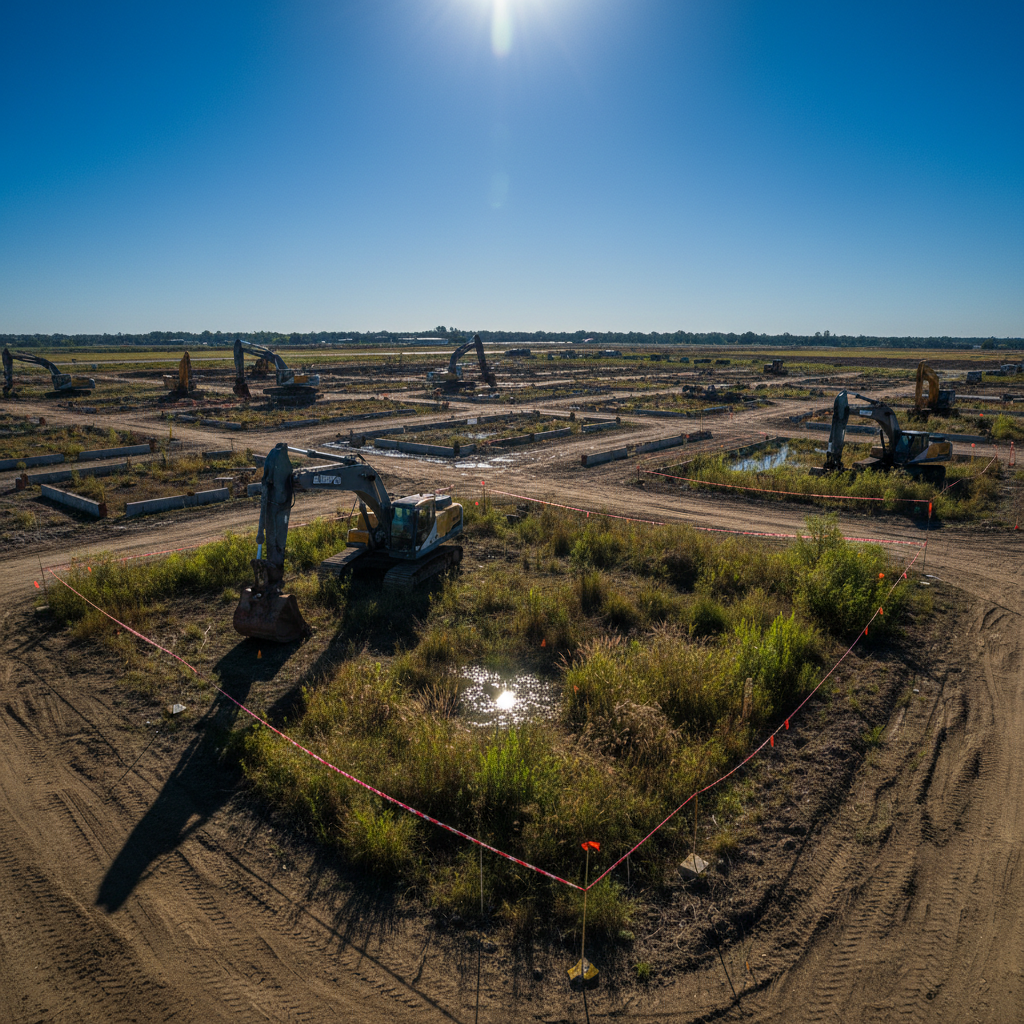
A Phase I Environmental Site Assessment is the first step in identifying these risks before they impact your deal.
Environmental Due Diligence That Protects Your Investment
WHAT A PHASE I PROTECTS
A Phase I Environmental Site Assessment is not just a report — it is a critical risk management tool used to evaluate environmental liability before a property transaction is completed.

Identify Risk Early
Uncover recognized environmental conditions and potential liabilities before they impact your property transaction or financing.

Protect Your Liability
Establish the CERCLA "innocent landowner" defense and All Appropriate Inquiry compliance with a properly conducted Phase I ESA.

Meet Lender Requirements
Satisfy bank and SBA environmental due diligence requirements. Most commercial lenders mandate a Phase I ESA before financing.

Avoid Unexpected Costs
Prevent costly surprises post-closing. Unknown contamination can trigger six- or seven-figure remediation obligations.
FAST TURNAROUND ALIGNED WITH REAL ESTATE TRANSACTION TIMELINES.
Systematic. Thorough. Defensible.
Every Phase I ESA follows a rigorous methodology designed to uncover environmental conditions that could affect your transaction.
1 - Records Review
We study historical records, regulatory databases, and environmental listings to reconstruct past land uses and identify potential RECs at the property and surrounding area.
3 - Interviews
We interview key individuals including owners, operators, occupants, and local officials to gather information about the property's history and operational details.
2 - Site Reconnaissance
Our environmental professionals conduct a thorough onsite inspection to observe current conditions, operations, and any indicators of potential releases or contamination.
4 - Reporting & Recommendations
We prepare a clear, defensible Phase I ESA report in accordance with ASTM E1527-21 standards, identifying Recognized Environmental Conditions (RECs) and outlining next steps.
Built for Transactions That Can't Afford Uncertainty
WHO RELIES ON PHASE I ESA
Lenders
Underwriting commercial loans with confidence that environmental risk has been properly assessed and documented.
Attorneys
Managing liability exposure and ensuring clients have proper environmental due diligence protection.
Property Owners
Planning redevelopment, refinancing, or divestiture with clear environmental documentation in place.
Developers
Evaluating acquisition risk and environmental liability before committing capital to new projects.
If you are buying, financing, or developing property, a Phase I ESA is one of the most effective tools available.
Frequently Asked Questions
-
A Phase I ESA is a non-invasive environmental study conducted to identify potential contamination risks on a property in accordance with ASTM E1527-21 standards.
-
Most Phase I ESAs are completed within 2 to 4 weeks, depending on site complexity and scope.
-
Costs typically range from $2,200 to $3,200 for standard commercial properties, with higher costs for complex or industrial sites.
-
If potential contamination is identified, a Phase II ESA may be recommended to confirm conditions through sampling and analysis.
-
Not all transactions require a Phase I ESA, but most lenders strongly recommend or require it for commercial real estate financing.
-
Recognized Environmental Conditions (RECs) are the primary findings of a Phase I Environmental Site Assessment. They indicate the presence or likely presence of hazardous substances or petroleum products on a property due to past or current use.
RECs matter because they directly impact:
Environmental liability for buyers and property owners
Lender risk and financing decisions
Whether additional investigation, such as a Phase II ESA, is required
Identifying RECs early allows stakeholders to make informed decisions, negotiate terms, or address potential issues before they affect the transaction.
GET STARTED
Request Your
Phase I ESA Proposal
Share your project details and a CRB environmental professional will provide a site-specific proposal, typically within 4 hours.
ASTM E1527-21 Compliant
Lender-Ready Reporting
2-4 Week Turnaround
Nationwide Coverage