
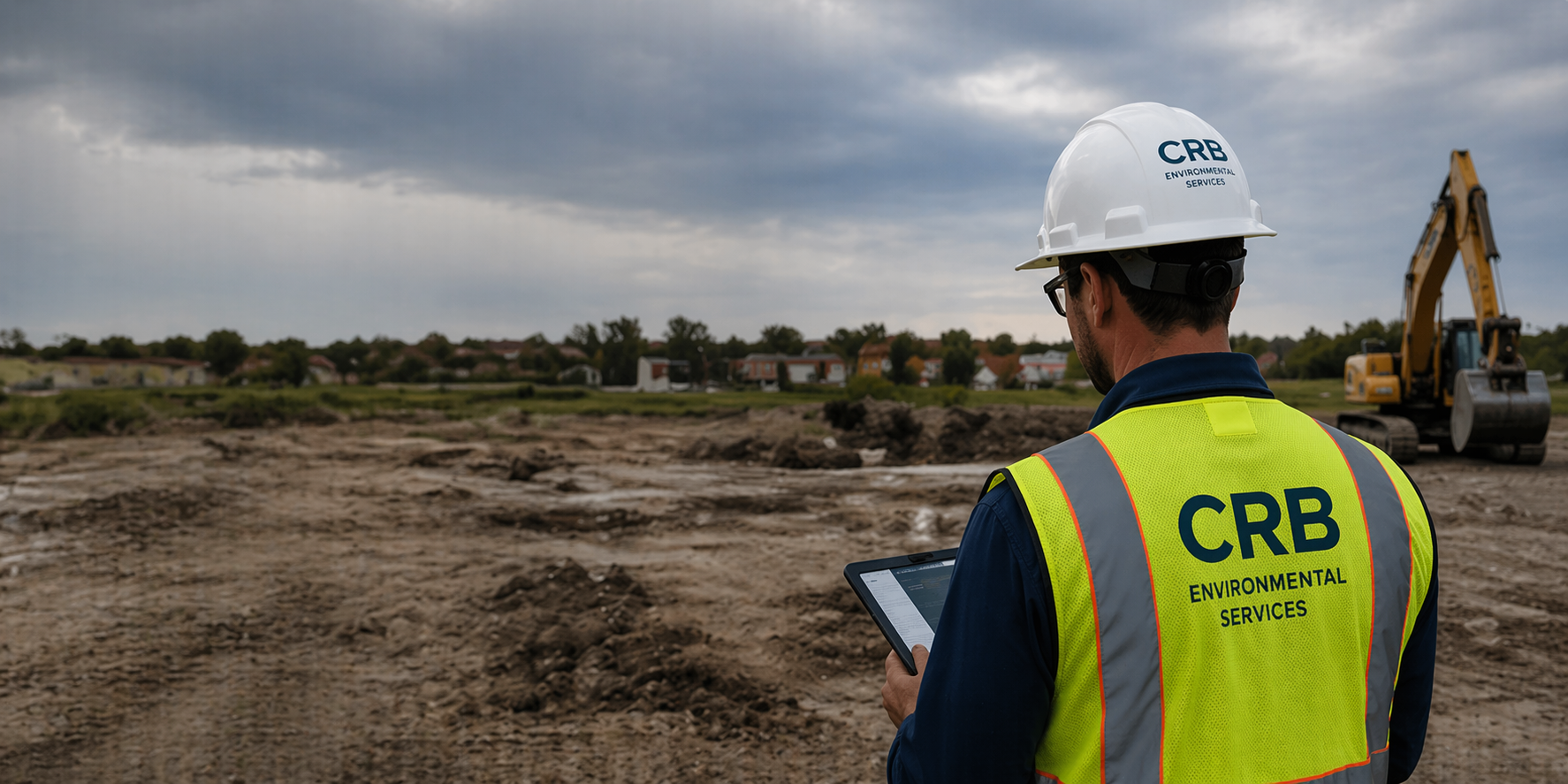
Environmental Remediation & Corrective Action
If contamination is confirmed, we design and manage the remedy. From excavation and disposal to in situ treatment, we carry the site through to a regulatory No Further Action determination.
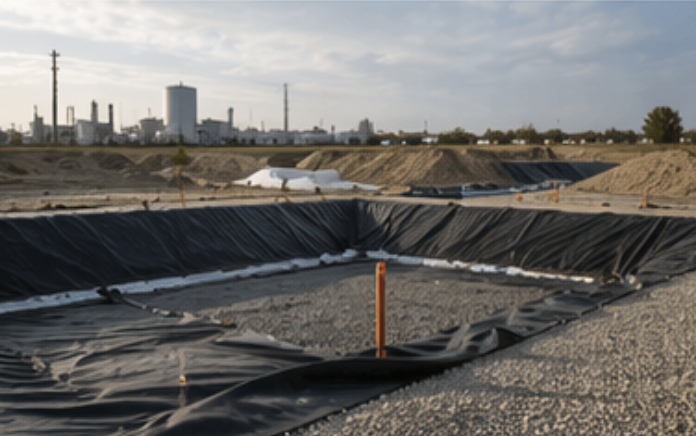
From Confirmed Contamination to a No Further Action Letter in Hand.
Confirmed contamination doesn't have to mean an open-ended liability. We design remedies tailored to the contaminant, site geology, and intended property use, including soil excavation and off-site disposal, in situ chemical or biological treatment, groundwater pump-and-treat systems, and monitored natural attenuation. We manage the project from remedy selection through final regulatory sign-off.
Our team works directly with your state environmental agency case manager throughout the process, providing a single technical point of contact from the initial submittal through regulatory closure.
When Environmental Remediation Is Required
Remediation becomes necessary when contamination, a regulatory directive, or a transaction requirement makes corrective action the only path forward. CRB works with buyers, lenders, developers, attorneys, and property owners to define the right remediation strategy for each of these situations:
✔ Confirmation of contamination through a Phase II Environmental Site Assessment
✔ A lender, buyer, or investor requires remediation before financing or closing
✔ Redevelopment or construction plans require environmentally impacted land to be addressed first
✔ A regulatory agency has issued a notice of violation or mandated cleanup directive
✔ Human health or ecological risk has been identified and needs to be mitigated
✔ A property owner needs long-term liability management, regulatory closure, or a No Further Action determination to support future sale or reuse
What’s Included:
✔ Remedial alternatives analysis and feasibility study
✔ Corrective action plan preparation and regulatory submittal
✔ Contractor bid coordination and remedy implementation oversight
✔ Confirmation sampling and remedy performance monitoring
✔ Regulatory agency liaison through closure
✔ No Further Action / closure letter documentation
✔ Cost estimating for transaction and lender purposes
Our Remediation Services
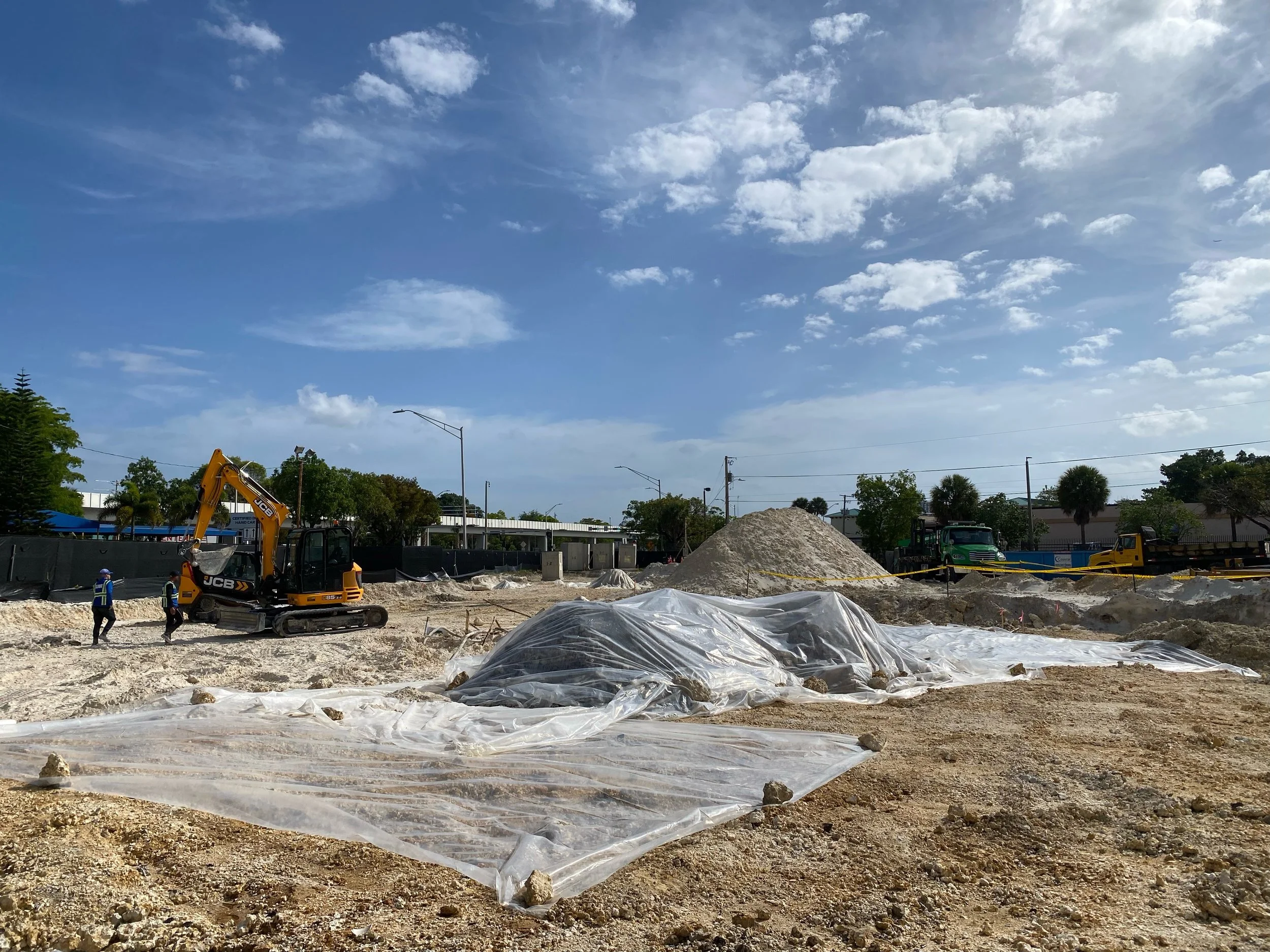
✔ Remedial Investigation and Feasibility Studies (RI/FS):
Detailed evaluations to support remedy selection and regulatory decision-making.
✔ Design and Operation of Remedial Systems:
Engineering and oversight of systems such as groundwater extraction and treatment, soil vapor mitigation, and in-situ treatment systems.
✔ Groundwater Recovery and Treatment:
Systems designed for plume control, mass removal, or long-term containment.
✔ Sub-Slab Mitigation and Vapor Control:
Mitigation systems to manage vapor intrusion risk in occupied buildings.
✔ Bioremediation:
Microbial and geochemical treatment strategies for petroleum hydrocarbons, chlorinated solvents, and certain metals.
✔ Dewatering and Water Management:
Solutions for construction dewatering and contaminated groundwater control.
✔ Long-Term Monitoring and System Optimization:
Performance monitoring, data evaluation, and system adjustments to meet cleanup goals efficiently.
Many clients come to CRB after a Phase II ESA confirms contamination. CRB’s expertise helps bridge the gap between knowing a problem exists and solving it effectively.
From Investigation to Implementation

Contaminant Delineation
Following the discovery of contamination, we perform detailed site characterization to define the horizontal and vertical extent of impacted soil, groundwater, and soil vapor. Accurate contaminant delineation provides the technical foundation for remediation planning, regulatory reporting, cost estimating, and long-term risk management.

Remedy Selection & Remediation Planning
Using delineation data, site geology, contaminant characteristics, and regulatory requirements, we evaluate remedial alternatives and develop a cost-effective remediation strategy. Whether the solution involves excavation, in situ treatment, groundwater remediation, or monitored natural attenuation, every recommendation is designed to achieve regulatory closure as efficiently as possible.

Remedy Selection & Remediation Planning
Using delineation data, site geology, contaminant characteristics, and regulatory requirements, we evaluate remedial alternatives and develop a cost-effective remediation strategy. Whether the solution involves excavation, in situ treatment, groundwater remediation, or monitored natural attenuation, every recommendation is designed to achieve regulatory closure as efficiently as possible.

Confirmation Sampling & Regulatory Closure
Following remediation, we conduct confirmation sampling and performance monitoring to verify that cleanup objectives and applicable regulatory standards have been achieved. Our team manages all final reporting and agency coordination through issuance of a formal No Further Action (NFA) letter or equivalent regulatory closure determination, providing documentation that the site has satisfied environmental cleanup requirements.
Turning a Liability into a Scheduled, Budgeted Line Item
CRE Lenders
A path to a clean title
We provide the cost estimates and timeline documentation your credit committee needs to underwrite a remediation escrow, and manage the file until you have a closure letter to release it.
Developers
Remedy that fits the build schedule
We sequence remediation activities around your construction schedule wherever possible, so cleanup and site work move in parallel instead of one blocking the other.
Acquisition Managers
A defensible number for underwriting
A cost-to-closure estimate you can put directly into a purchase price adjustment or holdback negotiation — backed by real remedy design, not a rule-of-thumb figure.
Frequently Asked Questions
-
Environmental remediation is the process of removing, treating, or managing contamination in soil, groundwater, soil vapor, or structures to protect human health, meet regulatory requirements, and restore property for safe use or redevelopment.
-
Corrective action refers to the investigation and cleanup of releases of hazardous substances or petroleum required under federal or state environmental programs. While the term originates in the RCRA Corrective Action program, many states—including those regulating USTs and voluntary cleanup programs—use the term more broadly to describe agency-directed response actions following a confirmed release. Corrective action typically includes site characterization, evaluation of remedial alternatives, development of an agency-approved corrective action plan, and implementation of the selected remedy to achieve regulatory cleanup standards and closure.
-
Corrective action is required when a regulatory agency determines that a confirmed release poses an actual or potential risk that must be addressed through investigation and remediation, rather than managed through conditional or risk-based closure. It applies only when the agency mandates active response measures to achieve cleanup standards, not when remaining impacts can be safely controlled or monitored under a conditional closure framework.
-
CRB remediates a wide range of environmental impacts arising from historical operations, accidental releases, and legacy site conditions. Our work spans petroleum and solvent releases, metals and inorganic contaminants, and impacts to soil, groundwater, and vapor. We also manage cleanup associated with UST systems, industrial and commercial facilities, and other regulated or legacy sources. In practice, this means CRB addresses the full continuum of environmental cleanup challenges, from straightforward petroleum releases to complex, multimedia contamination requiring integrated investigation, engineering, and regulatory strategy.
-
Not always. Whether you must complete remediation before a property sale or redevelopment depends on the level of contamination, the planned use of the property, and the requirements of the regulatory agency overseeing the site. In many cases, regulators allow transactions or development to move forward while cleanup is still underway, provided the risks are understood and appropriate controls, monitoring, or engineering measures are in place.
-
CRB selects remediation methods by evaluating the nature and behavior of the impacts, the physical setting of the site, and the project-specific regulatory objectives that govern cleanup. We consider contaminant characteristics, subsurface conditions, and exposure pathways alongside property use, redevelopment plans, and stakeholder expectations. We also weigh feasibility, cost, schedule, and long-term performance to identify a remedy that is technically sound, regulatory-compliant, and aligned with the client’s goals. This integrated approach ensures that the selected method is appropriate for the site’s conditions, whether the solution requires active treatment, containment, risk-based management, or a combination of strategies. Based on these factors, we design practical, cost-effective remediation strategies tailored to your site.
-
Yes. CRB provides true end-to-end environmental support, from initial Phase II investigations and delineation of impacts through remediation design, permitting, implementation, and regulatory closure. Our team manages the full lifecycle of a cleanup project, coordinating fieldwork, data evaluation, engineering, and agency interaction so clients have a single, accountable partner from discovery through final sign-off.
Get To Closure Faster
Send us your Phase II data or existing corrective action file — we'll scope a path to No Further Action.