
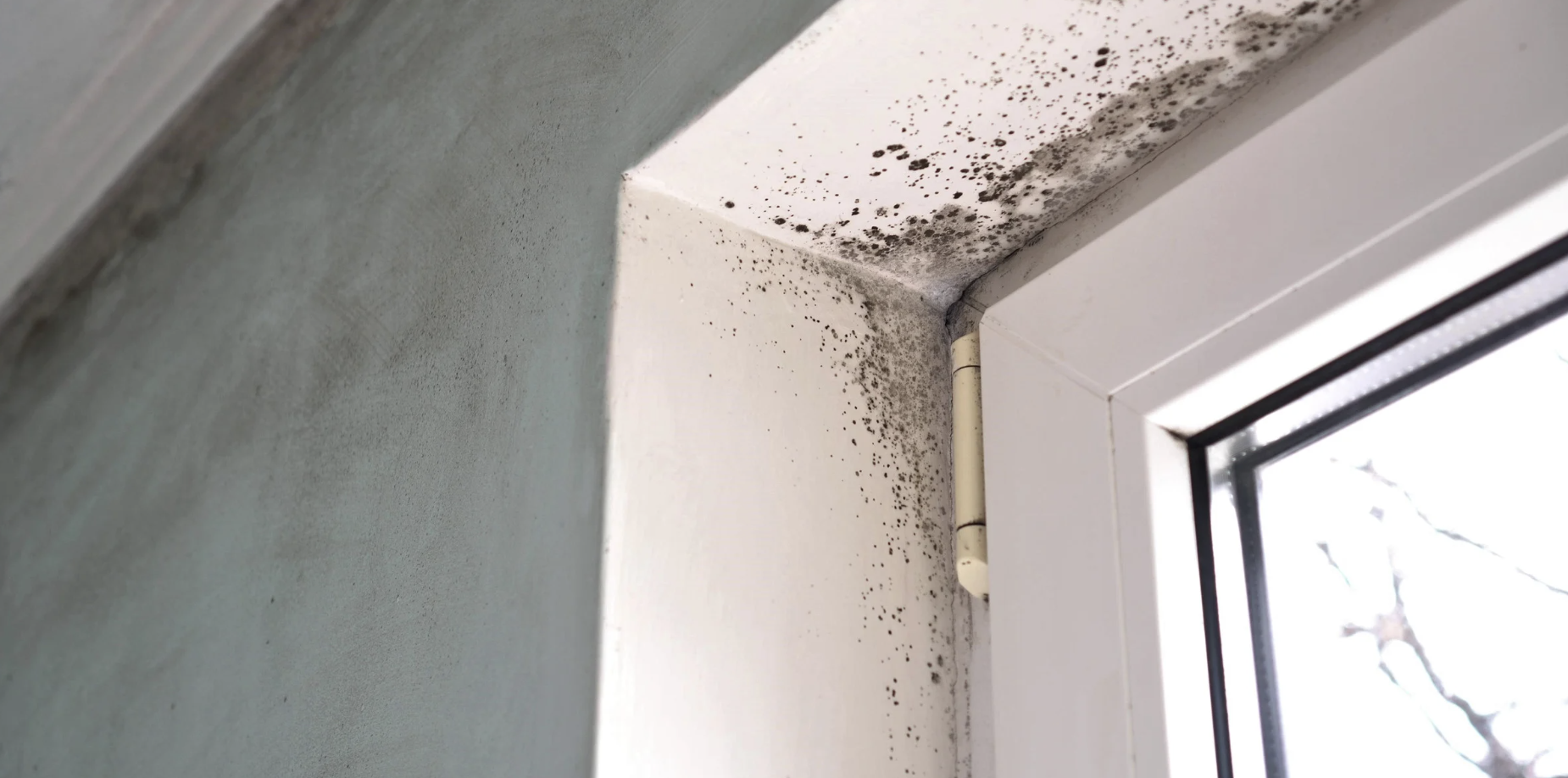
Commercial Asbestos & Mold Assessment Services
CRB provides commercial asbestos surveys, mold assessments, moisture investigations, sampling and consulting to identify potential building hazards and determine the appropriate next steps.
On This Page
- When a Commercial Asbestos Survey or Mold Assessment Is Needed
- Commercial Asbestos Surveys & Consulting
- Asbestos Consulting & Abatement Oversight
- Commercial Mold Assessment & Moisture Investigation
- Mold Remediation Consulting & Post-Remediation Verification
- Our Commercial Asbestos & Mold Assessment Process
- Commercial Properties & Industries We Serve
- Frequently Asked Questions About Asbestos Surveys & Mold Assessments
When a Commercial Asbestos Survey or Mold Assessment Is Needed
Before Renovation or Demolition
A commercial asbestos survey identifies suspect asbestos-containing materials that may be disturbed by planned renovation or demolition. Knowing what is present before work begins helps project teams plan appropriately and address applicable asbestos requirements before construction is underway.
Asbestos and mold concerns often surface during a renovation, property transaction, water intrusion event, or ongoing building issue. An asbestos survey or mold assessment documents the condition and helps determine what needs to happen next.
After Water Intrusion or When Mold Is Suspected
Roof leaks, plumbing failures, storm damage, HVAC condensation, persistent humidity, musty odors, visible growth, and occupant complaints can indicate a moisture or mold problem. A commercial mold assessment evaluates the affected areas, investigates potential moisture sources, and determines whether additional testing or corrective action is appropriate.
During Commercial Property Due Diligence
Suspected asbestos-containing materials, visible mold, previous water damage, or other known building conditions may warrant additional evaluation during a property acquisition or other due diligence process. Asbestos surveys and mold assessments provide additional information when these conditions require investigation beyond the scope of the property's environmental due diligence.
Asbestos-Containing Materials Are Known or Suspected
Existing buildings may contain asbestos-containing flooring, insulation, roofing materials, mastics, ceiling materials, or other building products. When suspect materials may be disturbed or existing ACM requires further evaluation, an asbestos assessment can document the material, its location and condition, and help determine the appropriate next steps.
Commercial Asbestos Surveys & Consulting
A commercial asbestos survey identifies suspect asbestos-containing materials (ACM) and documents their location, quantity and condition so property owners and project teams can make informed decisions before materials are disturbed.
CRB performs asbestos surveys for commercial, institutional and industrial properties in connection with renovation, demolition, property management and other projects where asbestos-containing materials may affect the scope of work. Surveys may include review of available building information, inspection of accessible or project-affected areas, bulk sampling of suspect materials, accredited laboratory analysis and documentation of the findings.
Asbestos Surveys for Renovation & Demolition
Before renovation or demolition, the asbestos survey should be matched to the areas and materials that will actually be disturbed.
For renovation projects, the survey focuses on the planned limits of construction and may require investigation of concealed materials where walls, ceilings, flooring or other building components will be disturbed. Demolition projects generally require a broader investigation because substantially more of the building will be affected.
The EPA's Asbestos NESHAP requires a thorough inspection of the affected facility or portion of the facility before covered renovation or demolition activities begin. State and local asbestos requirements may impose additional survey, licensing, notification or documentation requirements.
The appropriate asbestos survey depends on the building, available documentation and the purpose of the investigation. ASTM E2356, Standard Practice for Comprehensive Building Asbestos Surveys, recognizes three primary survey types:
Types of Commercial Asbestos Surveys
-
A building- or facility-wide survey used to identify and document asbestos-containing materials for ongoing management. It provides information about the location, type, quantity and condition of ACM and can support an asbestos operations and maintenance program.
-
Performed before renovation or demolition when existing asbestos information is unavailable or insufficient for the planned work. The survey is scoped to the limits of construction and may require destructive investigation where concealed spaces will be disturbed.
-
A more focused survey used to gather the information needed to prepare asbestos abatement plans and specifications. It is generally limited to areas affected by the planned abatement work.
CRB determines the appropriate survey scope based on the property, planned work, existing asbestos documentation and applicable regulatory requirements rather than applying the same survey approach to every project.
Finding asbestos does not automatically mean that every asbestos-containing material must be removed. What happens next depends on the type and condition of the material, whether it will be disturbed, the planned use of the building and the regulatory requirements applicable to the project.
CRB helps property owners and project teams understand what identified asbestos-containing materials mean for the building and determine the appropriate path forward.
Asbestos Consulting & Abatement Oversight
Managing Asbestos-Containing Materials
Asbestos-containing materials that are in good condition and are not expected to be disturbed may, where permitted by the applicable project and regulatory requirements, be managed in place rather than removed.
For properties with ACM that will remain in the building, an asbestos operations and maintenance approach can help document known materials, monitor their condition and establish procedures intended to reduce the potential for unintended disturbance during maintenance or future construction activities.
Asbestos Abatement Planning
When asbestos-containing materials will be disturbed by planned work or otherwise require abatement, the findings from the asbestos survey can be used to define the affected materials and develop an appropriate scope of work.
CRB assists clients with abatement planning based on the survey findings, project scope and applicable regulatory requirements so the asbestos work can be coordinated with the larger renovation, demolition or property project.
Asbestos Abatement Oversight & Clearance
CRB provides asbestos abatement oversight and project coordination to help confirm that the work is performed in accordance with the project scope and applicable requirements.
Where required or appropriate for the project, post-abatement activities may include visual evaluation, air monitoring or clearance procedures before the affected area is returned to its intended use.
Commercial Mold Assessment & Moisture Investigation
A commercial mold assessment evaluates suspected mold growth, moisture conditions and other building factors that may be contributing to the problem. CRB performs mold assessments and moisture investigations for commercial, institutional and multifamily properties following water intrusion, visible or suspected mold growth, persistent odors, occupant complaints and other moisture-related concerns.
The assessment is tailored to the building and the conditions being investigated and may include visual inspection, moisture measurements, evaluation of affected building materials and HVAC-related conditions, and targeted mold sampling when it will provide useful information.
Mold & Moisture Investigations
Finding the source of moisture is a critical part of evaluating a mold problem. Roof and plumbing leaks, storm-related water intrusion, condensation, elevated humidity, HVAC conditions and building-envelope issues can all contribute to conditions that support mold growth.
CRB evaluates visible and suspected areas of concern along with potential moisture sources to determine the extent of the condition and identify factors that need to be addressed. Where appropriate, the investigation may also evaluate concealed or adjacent areas when conditions indicate that moisture or mold growth could extend beyond what is immediately visible.
Commercial Mold Testing & Sampling
Mold testing is not automatically necessary in every mold assessment. When visible mold is present and the source and extent of the condition are already clear, additional sampling may not provide information needed to determine the next step.
When sampling will help answer a specific question, CRB develops a sampling approach appropriate to the investigation. Depending on the conditions, this may include air, surface or bulk sampling, with samples submitted to an accredited laboratory for analysis.
Laboratory results are interpreted alongside observations from the building and moisture investigation rather than being treated as a standalone determination of building conditions.
When a mold assessment identifies conditions that warrant remediation, the next step is determining the extent of the affected area, correcting the underlying moisture problem and developing an appropriate remediation approach.
CRB helps property owners and facility teams move from assessment findings to a defined course of action, including remediation planning, project oversight and post-remediation verification when these services are appropriate to the project.
Mold Remediation Consulting & Post-Remediation Verification
Mold Findings & Next Steps
Identifying mold does not automatically mean that an entire building or affected space requires extensive remediation. The appropriate response depends on the extent and location of the growth, the materials affected, the source of moisture and conditions within the building.
The underlying moisture problem must also be addressed. Removing or cleaning mold-affected materials without correcting the condition that allowed the growth to occur can leave the building vulnerable to recurrence.
CRB evaluates the assessment findings to help define the affected area and determine the appropriate next steps for the property.
Mold Remediation Planning & Oversight
When professional mold remediation is warranted, a defined scope helps establish which areas and materials are affected and how the work should be approached.
Depending on the project, remediation planning may address removal or cleaning of affected materials, moisture-source correction, containment, HVAC considerations and other controls appropriate to the conditions.
CRB provides remediation consulting and project oversight to help property owners and facility teams coordinate the work and evaluate whether the remediation is being performed in accordance with the established scope.
Post-Remediation Verification (PRV)
Post-remediation verification evaluates conditions after mold remediation is complete to determine whether the established remediation objectives have been met.
Depending on the project and remediation criteria, PRV may include visual evaluation of the remediated area, confirmation that affected materials and moisture conditions have been addressed, and targeted sampling when appropriate.
CRB evaluates the post-remediation conditions and documents the findings so property owners and project teams have a clear record of the condition of the affected area following remediation.
-
The first step is determining the purpose and appropriate scope of the investigation. CRB reviews the property, planned work, known or suspected conditions, available building information and the reason the assessment is being requested.
For an asbestos survey, this may include identifying the areas and building materials that could be disturbed during renovation or demolition and reviewing available asbestos documentation.
For a mold assessment or moisture investigation, the scope may be based on water intrusion, visible or suspected mold growth, persistent moisture or humidity, odors, occupant concerns or other observed building conditions.
Defining the scope at the beginning helps focus the investigation on the information needed to make decisions about the property or project.
-
CRB conducts the appropriate on-site investigation based on the established scope.
A commercial asbestos survey may include inspection of accessible or project-affected building materials, identification of suspect asbestos-containing materials (ACM), documentation of material location and condition, and bulk sampling where appropriate.
A commercial mold assessment may include visual evaluation of affected and adjacent areas, moisture measurements, investigation of potential water or humidity sources, evaluation of affected building materials and HVAC-related conditions, and assessment of concealed areas when site conditions warrant further investigation.
The objective is not simply to collect samples. It is to understand the building conditions and gather the information needed to evaluate the issue accurately.
-
When sampling is necessary to answer the questions presented by the investigation, CRB collects representative samples and coordinates laboratory analysis using methods appropriate to the material or condition being evaluated.
For asbestos testing, suspect building materials may be bulk sampled to determine whether asbestos is present.
For mold testing, air, surface or bulk sampling may be used when the results are expected to provide meaningful information about the conditions being investigated. Mold sampling is not automatically necessary for every mold assessment and is used when appropriate to the objectives of the investigation.
Laboratory results are evaluated together with site observations, moisture conditions, material locations and other relevant information. This allows CRB to interpret the findings in the context of the property rather than treating laboratory data as a standalone conclusion.
-
After the site investigation and any laboratory analysis are complete, CRB evaluates the information collected and documents the findings.
Depending on the service performed, the report may identify asbestos-containing materials, areas of mold growth or moisture impact, potential sources of water intrusion, affected building materials and other conditions relevant to the project.
CRB then explains what those findings mean for the property and the planned work. Recommendations may include managing materials in place, addressing a moisture source, conducting additional investigation, developing an asbestos abatement or mold remediation scope, or taking other corrective action appropriate to the conditions identified.
The goal is to provide a technically supported report that gives owners, facility managers and project teams information they can use to make the next decision.
-
When assessment findings indicate that asbestos abatement or mold remediation is necessary, CRB can remain involved as the project moves from investigation to corrective action.
Depending on the project, CRB's support may include development of the remediation or abatement scope, coordination and project oversight, documentation of the work, and post-work evaluation or verification as appropriate.
For mold remediation projects, this may include post-remediation verification (PRV) to evaluate whether established remediation objectives have been met. For asbestos projects, post-abatement activities may include visual evaluation, air monitoring or clearance procedures when required or appropriate to the project.
This continuity helps property owners and project teams move from identifying a building condition to addressing it with a defined and documented course of action.
Our Commercial Asbestos & Mold Assessment Process
Every property and project is different. CRB begins by understanding why the assessment is being performed, what areas of the property may be affected and what decisions need to be made from the findings.
From a commercial asbestos survey before renovation or demolition to a mold assessment following water intrusion, our process is designed to define the issue, document the findings and give property owners and project teams a clear path forward.
Commercial Properties & Industries We Serve
Commercial Real Estate & Office Properties
CRB supports commercial property owners, developers, facility managers and real estate teams during acquisitions, tenant improvements, renovations and ongoing property management. Asbestos surveys and mold or moisture assessments can help identify building conditions that may affect planned work, occupancy or future improvements.
Retail, Shopping Centers & Pet Care Facilities
CRB provides asbestos and mold services for retail properties undergoing tenant improvements, renovations and facility maintenance. Our experience includes pet retail and pet care facilities, including pet grooming and bathing areas and bath bunker projects, where plumbing, frequent water use, moisture conditions and existing building materials can affect the scope of renovation or repair.
Healthcare Facilities
Healthcare environments may require asbestos or mold assessment during renovation, maintenance, water intrusion response and capital improvement projects. CRB evaluates building conditions and provides documentation to help facility and project teams plan work in sensitive and often continuously occupied environments.
Schools, Institutional & Government Facilities
CRB provides asbestos and mold assessment services for schools, universities, public buildings and other institutional facilities in connection with facility management, renovation, demolition, capital improvements and water intrusion concerns. Assessment scopes are developed according to the facility, planned work and applicable regulatory requirements.
Construction & Redevelopment Projects
Asbestos-containing materials and mold or moisture conditions can affect construction sequencing, demolition and redevelopment plans. Identifying these conditions before or during a project helps owners, developers and construction teams understand affected materials, determine appropriate next steps and plan for abatement or remediation when necessary.
Hospitality
Hotels and other hospitality properties require careful coordination when asbestos or mold concerns arise because renovations, water intrusion and building maintenance may affect occupied guest areas and ongoing operations. CRB supports both planned improvements and investigations of suspected mold, moisture and asbestos-containing materials.
Frequently Asked Questions About Asbestos Surveys & Mold Assessments
-
For commercial, institutional and industrial buildings subject to the EPA Asbestos NESHAP, the area where renovation or demolition will occur must be thoroughly inspected for asbestos before the work begins. For demolition, and for renovation involving certain quantities of regulated asbestos-containing material, additional notification and work-practice requirements may apply. State and local requirements may also impose additional obligations.
Because requirements vary by project and jurisdiction, the asbestos survey should be scoped to the planned work and applicable regulatory requirements.
-
A commercial asbestos survey generally involves reviewing available building information, inspecting the applicable areas of the property, identifying suspect asbestos-containing materials, collecting representative bulk samples when appropriate, obtaining laboratory analysis, evaluating the location and condition of identified materials, and documenting the findings.
The exact scope depends on why the survey is being performed. ASTM E2356 recognizes baseline, project design and pre-construction asbestos surveys for different building and project objectives.
-
Asbestos testing generally refers to collecting and analyzing samples of suspect building materials to determine whether asbestos is present. An asbestos survey is broader and evaluates suspect materials within the context of a building or defined project area, including their location, quantity, condition and potential for disturbance.
ASTM E2356 specifically notes that collecting a single sample or small number of samples to determine asbestos content does not, by itself, constitute a comprehensive asbestos survey under the standard.
-
Responsibilities depend on the work being performed and the applicable regulations. Under OSHA's asbestos construction standard, building and facility owners have specific duties to determine the presence, location and quantity of ACM and presumed asbestos-containing material (PACM) at the work site before work subject to the standard begins and to communicate required information to specified parties. Employers performing covered work also have asbestos-related responsibilities.
This is one reason asbestos documentation should be addressed during project planning rather than after construction has already started.
-
CRB provides commercial asbestos and mold assessment and consulting services for projects across the United States. Because asbestos and mold licensing, notification, assessment and remediation requirements can vary by state and local jurisdiction, the appropriate scope is determined based on the property location, project type and applicable requirements.
-
No. Mold testing is not automatically necessary for every mold assessment. EPA states that when visible mold growth is present, sampling is unnecessary in most cases. The more important questions may be determining the extent of the affected area and identifying and correcting the moisture condition that allowed the mold to grow.
Sampling may be appropriate when it can answer a specific question about the building conditions or investigation. When performed, the results should be interpreted together with visual observations, moisture conditions and other site information.
-
A commercial mold assessment may include visual evaluation of affected and adjacent areas, investigation of current or previous moisture conditions, moisture measurements, evaluation of affected building materials and HVAC-related conditions, investigation of potential hidden mold, and targeted mold sampling when appropriate.
-
A mold assessment investigates and documents the mold and moisture conditions within the property and helps define the extent and potential source of the problem.
Mold remediation is the corrective work performed to address mold-affected materials and associated conditions. Effective remediation also requires addressing the underlying water or moisture problem; otherwise, mold growth can recur.
-
Yes. Mold can recur if the moisture condition that allowed it to grow is not corrected. Roof or plumbing leaks, water intrusion, condensation, elevated humidity and other persistent moisture conditions can allow mold growth to return even after affected materials have been cleaned or removed.
Identifying and correcting the moisture source is therefore a critical part of successful mold remediation. EPA identifies moisture control as central to preventing recurrence.
-
Yes. When a property has concerns involving both suspect asbestos-containing materials and mold or moisture conditions, CRB can evaluate the appropriate scope for both services as part of the overall project.
This can be particularly useful for renovation, redevelopment, water-damaged properties and older commercial buildings where planned work may involve both suspect ACM and moisture-affected building materials.