

Phase I Environmental Site Assessment (Phase I ESA)
Understand environmental risk before it affects your transaction. CRB delivers ASTM E1527-21 compliant Phase I ESAs with experienced environmental professionals involved in the findings, clear conclusions, and responsive delivery built around real-world due diligence deadlines.
On This Page
- What Is a Phase I ESA?
- When Is a Phase I ESA Needed?
- Why Commercial Real Estate Teams Choose CRB
- What's Included In a CRB Phase I Environmental Site Assessment?
- Phase I Validity and Cost?
- What Is a Recognized Environmental Condition (REC)?
- Frequently Asked Questions About Phase I Environmental Site Assessments?
A Phase I Environmental Site Assessment (Phase I ESA) evaluates current and historical property conditions to identify recognized environmental conditions (RECs) and other potential environmental concerns associated with a commercial property.
The assessment typically includes historical research, regulatory database review, a site reconnaissance, interviews where applicable, and evaluation by an environmental professional in accordance with ASTM E1527-21 and EPA All Appropriate Inquiries requirements.
When performed to the ASTM E1527-21 standard, a Phase I ESA also satisfies the federal All Appropriate Inquiries (AAI) requirement under CERCLA — the standard lenders, buyers, and attorneys rely on for environmental due diligence in a commercial real estate transaction.
At CRB, every Phase I ESA is completed and signed by a senior Environmental Professional, not handed off to a junior team member after the site visit — a distinction that matters when a lender, attorney, or opposing party scrutinizes the report later.
What Is a Phase I ESA?
Historical Research
Reviewing Sanborn fire insurance maps, aerial photographs, city directories, and prior environmental reports to understand how the property and surrounding parcels have been used over time.
Regulatory Database Review
Checking federal, state, and local environmental records (including EDR reports) for known contamination sites, spills, or violations on or near the property.
Site Reconnaissance
An on-site walk-through by a qualified Environmental Professional to observe current conditions, storage practices, and any visible signs of environmental concern.
Interviews
Conversations with current and past property owners, operators, or occupants, along with relevant state and local officials, to surface details about site history and operations that records alone might not capture.
When Is a Phase I ESA Needed?
-
Identifying environmental risk before closing gives buyers time to evaluate the findings while transaction options are still available.
-
Many commercial lenders require a Phase I ESA as part of environmental due diligence before financing or refinancing a property.
A clear, ASTM E1527-21 compliant assessment helps lenders evaluate environmental risk and supports the underwriting process without creating unnecessary delays.
-
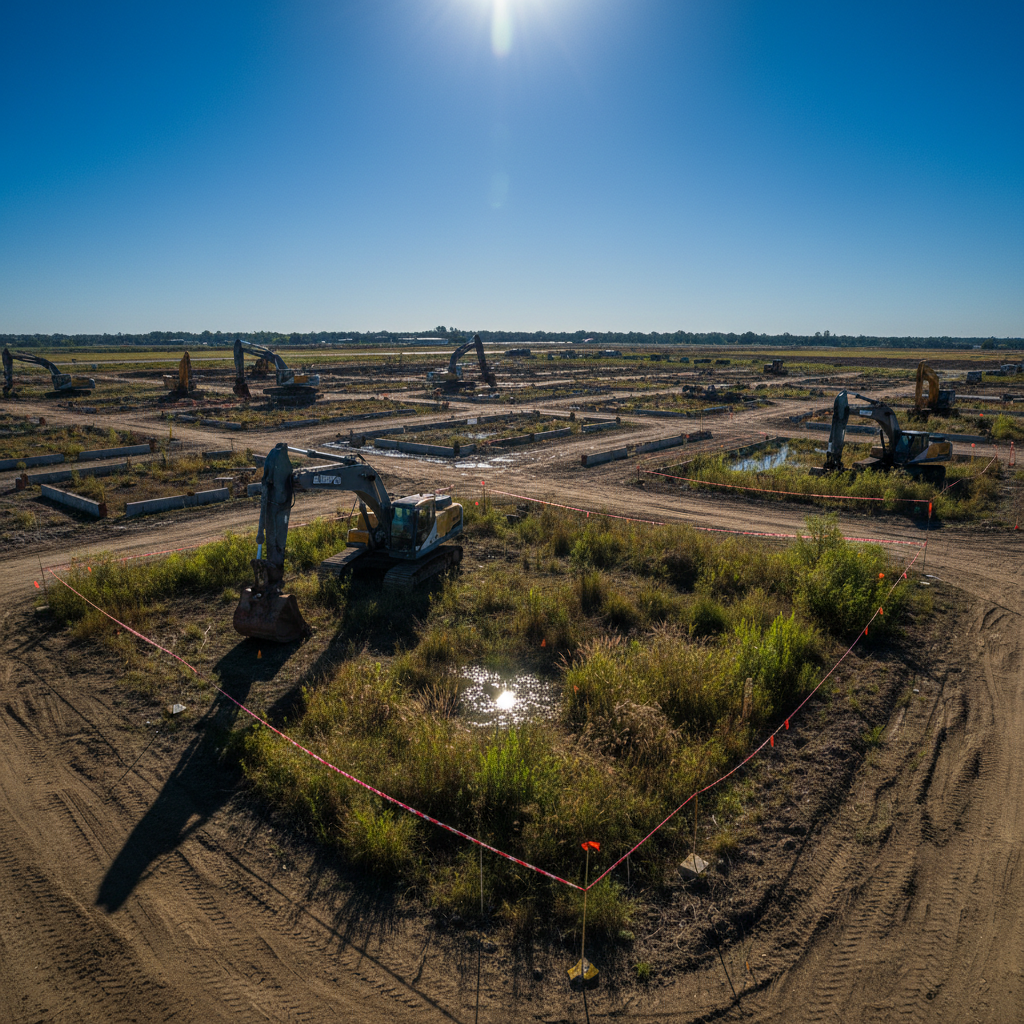
Understanding a property's environmental history before redevelopment or construction can help identify conditions that may affect excavation, soil management, groundwater, permitting, or project planning.
Identifying potential concerns early gives development teams more time to evaluate environmental implications before work begins.
-
Property owners may obtain a Phase I ESA before a sale, ownership transfer, or other major property decision to better understand environmental conditions that could affect the asset.
Evaluating potential concerns in advance can help sellers address questions before they become transaction issues.
-
When acquiring multiple commercial properties, consistent environmental due diligence helps investors evaluate environmental risk across the portfolio while coordinating multiple transaction timelines.
CRB can support multi-site assessments through a consistent scope, reporting process, and point of contact.
-
A Phase I ESA performed in accordance with ASTM E1527-21 and EPA All Appropriate Inquiries requirements may help support certain landowner liability protections under CERCLA for qualifying property acquisitions.
Because eligibility depends on the circumstances of the transaction and other continuing obligations, buyers should coordinate liability-protection questions with their environmental and legal advisors.
A Phase I Environmental Site Assessment is commonly requested during commercial real estate acquisitions, financing, refinancing, redevelopment, and other property decisions. The appropriate due diligence depends on the transaction, property, lender requirements, and intended use.
If you're unsure whether a Phase I ESA is appropriate for your project, CRB can review the property, transaction requirements, and timeline and help determine the appropriate next step.
Why Commercial Real Estate Teams Choose CRB
A Phase I ESA is more than a due diligence requirement—it's a critical step in protecting your investment and keeping your transaction on track.
Since 1992, CRB has delivered defensible, lender-ready Phase I and Phase II Environmental Site Assessments for commercial real estate transactions. While national firms optimize for volume and low-cost firms optimize for price, CRB optimizes for the one thing that actually protects a deal: a senior environmental professional getting it right the first time, on a schedule the transaction can actually keep.
We Understand Commercial Real Estate
Our reports are built around real transaction deadlines, lender requirements, and closing timelines, not generic environmental checklists.
Clear Answers, Not Confusing Reports
Our findings are written in plain language first and technical language second. You'll understand what we found, why it matters, and what to do next.
Responsive From Start to Finish
You'll have direct access to senior professionals throughout your project, so questions can be addressed without unnecessary handoffs.
Support Beyond The Phase I ESA
If a Phase II ESA, remediation, or regulatory compliance work is needed, CRB can carry your project forward without starting over with a new firm. One team and one point of contact, from start to finish.
Whether you're evaluating a single commercial property or managing a multi-site portfolio, our goal is the same: deliver practical environmental guidance that helps you identify risk early, satisfy lender requirements, and make confident decisions before closing.
What's Included In a CRB Phase I Environmental Site Assessment?
Property & Site Review (Site Reconnaissance)
Every Phase I ESA begins with an on-site inspection, or site reconnaissance, performed by an experienced environmental professional. We evaluate current site conditions and look for visible signs of potential environmental concerns that could affect the property.
Historical & Regulatory Research
We research how the property has been used over time by reviewing Sanborn fire insurance maps, historical aerial photographs, city directories, prior environmental reports, and regulatory database records such as EDR reports. This helps identify past uses that may indicate potential environmental risk.
Environmental Risk Evaluation
Our environmental professionals analyze the information collected during the assessment to identify Recognized Environmental Conditions (RECs) and evaluate whether additional investigation may be appropriate.
Clear Reporting & Recommendations
You'll receive a clear, organized report that explains our findings in plain English while meeting ASTM E1527-21 standards. If environmental concerns are identified, we'll explain what they mean and discuss practical next steps so you can move forward with confidence.
Every commercial property has a history, and understanding that history is essential to evaluating environmental risk. CRB's Phase I Environmental Site Assessments follow the ASTM E1527-21 standard while providing the clear communication and practical guidance commercial real estate teams need to make informed decisions.
Our assessments are designed to identify potential environmental concerns before closing, satisfy lender due diligence requirements, and give you confidence as your transaction moves forward.
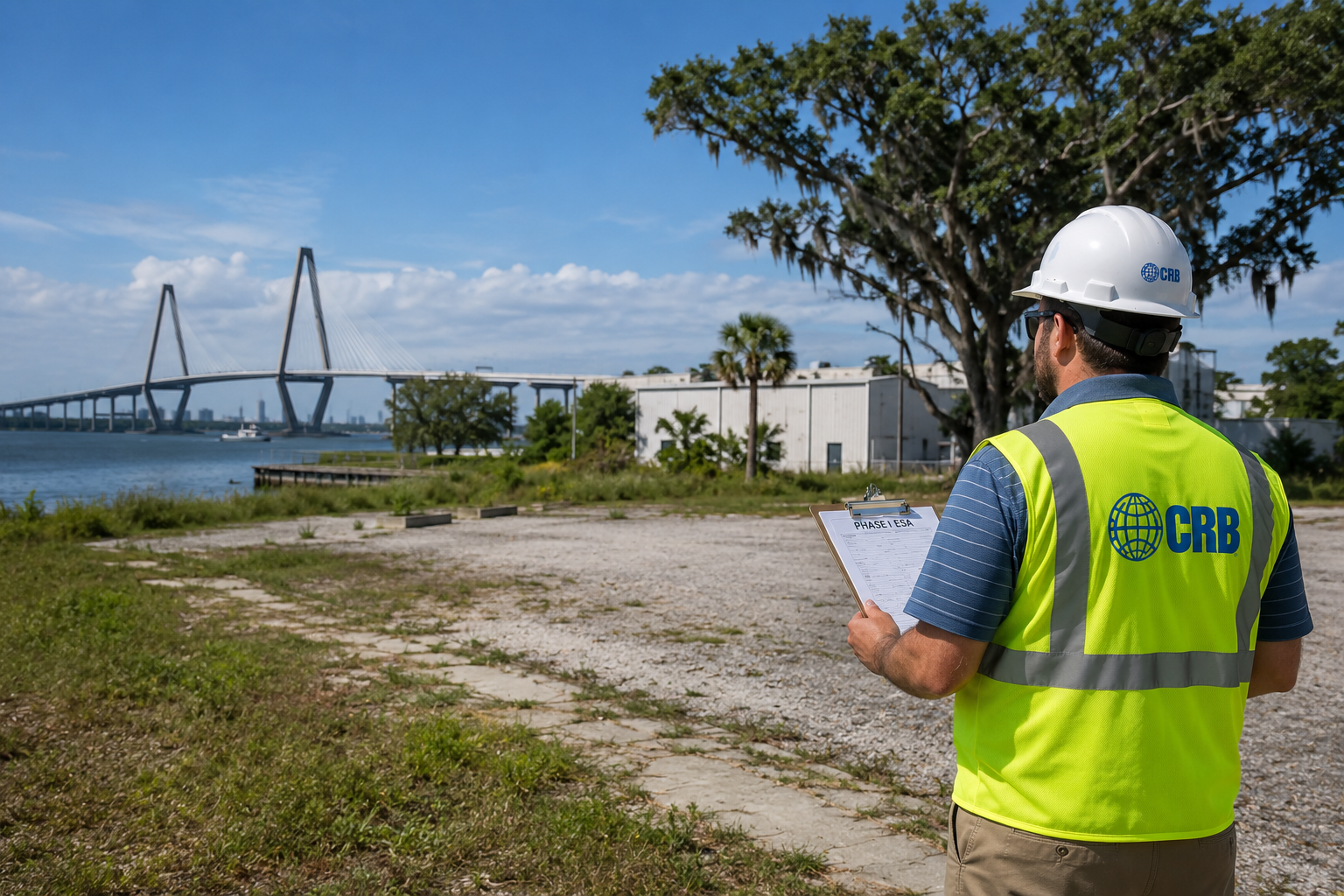
Every CRB Phase I ESA is reviewed and signed by a qualified Environmental Professional as defined under ASTM E1527-21, giving buyers, lenders, and attorneys a report built to satisfy due diligence requirements and hold up under scrutiny.
How Long Is a Phase I ESA Valid?
Under ASTM E1527-21, a Phase I ESA is considered valid for 180 days from the date the oldest piece of information used in the report was collected — most commonly the regulatory database report or the site visit, whichever is earliest.

A few things to know about that window:
If closing happens within 180 days of that date, the report is considered current with no further action needed.
If closing happens between 180 days and one year after that date, certain components of the report — typically the regulatory database search, interviews, and site visit — must be updated before the report can still be relied upon.
If more than one year has passed, a new Phase I ESA is generally required.
CRB includes a clear report viability date on every Phase I ESA we deliver, so buyers, lenders, and attorneys know exactly how long the report remains reliable and can plan closing timelines accordingly.
How Much Does a Phase I ESA Cost?
Phase I ESA pricing varies based on property size, location, historical use, complexity, and required turnaround. CRB provides property-specific proposals so the scope and pricing reflect the actual assessment required.
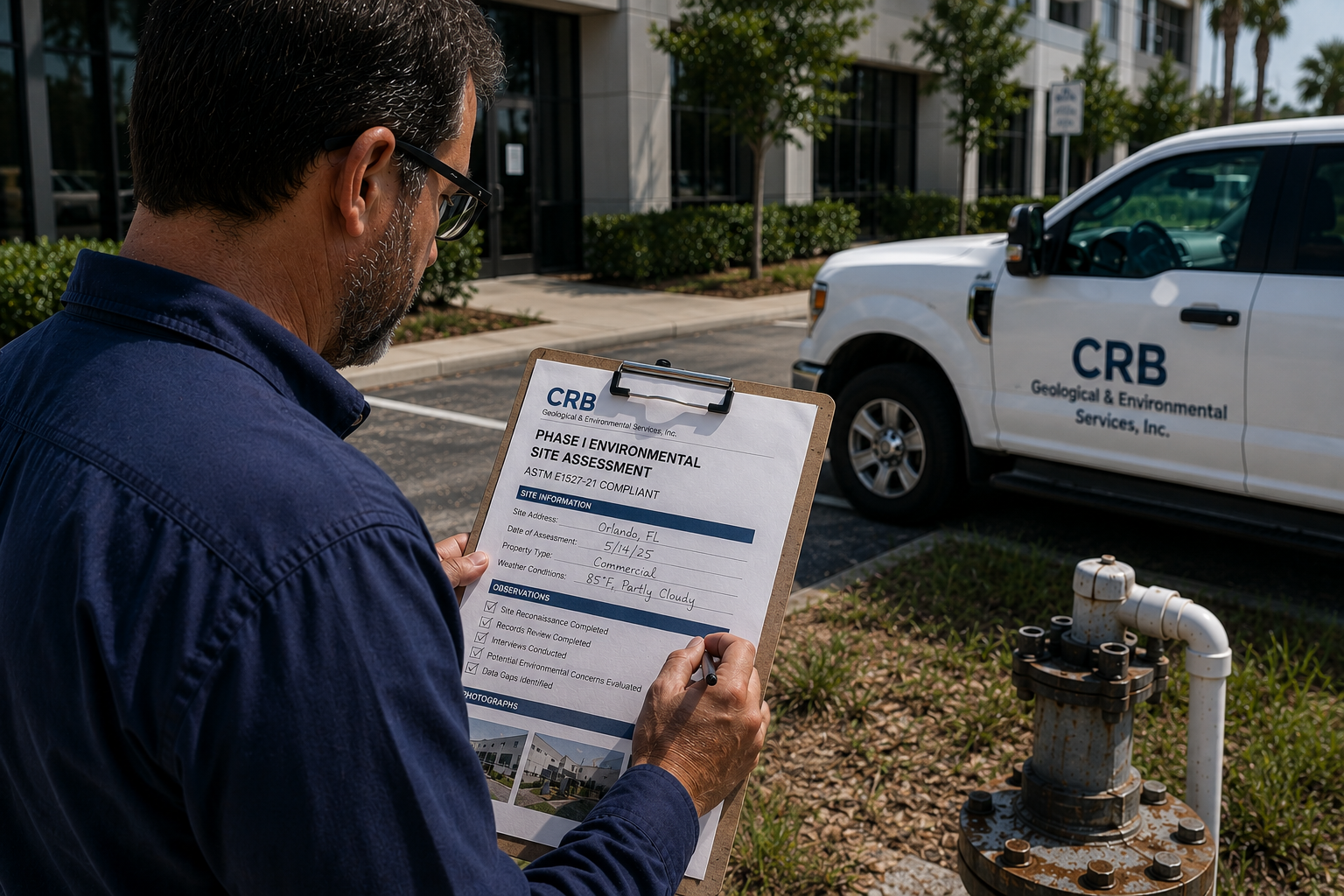
Factors that move the price up or down include:
Property size and type — a small retail unit is a faster, less expensive assessment than a multi-acre industrial site.
Historical use — properties with a long or complex operational history require more historical research.
Location — regulatory database density and local records availability vary by market.
Turnaround time — expedited timelines for time-sensitive closings can carry a rush fee.
Portfolio size — assessing multiple properties at once is often more cost-effective per site than ordering them individually.
Because every property is different, CRB provides a specific, itemized proposal for your property rather than a flat rate — but our team can typically give you a realistic ballpark within minutes of a quick call, before you commit to a formal quote.

What Is a Recognized Environmental Condition (REC)?
A Recognized Environmental Condition (REC) is the presence, or likely presence, of hazardous substances or petroleum products on a property resulting from a release, a likely release, or conditions that create a material threat of a future release.
Finding a REC does not mean a property is contaminated, and it does not automatically stop a transaction. Common examples of findings that generate a REC include:
A former dry cleaner, gas station, or auto repair shop once operated on or near the property.
A now-removed underground storage tank (UST), even one that was properly closed.
Historical industrial or manufacturing use of the site.
A documented spill or violation on a neighboring property within the search radius.
ASTM E1527-21 also defines two related terms worth knowing:
Historical REC (HREC) — a past release that has since been remediated to the satisfaction of the applicable regulatory authority, with no controls currently required.
Controlled REC (CREC) — a past release that has been addressed but still involves regulatory controls, such as an engineering or institutional control, that remain in place today.
When CRB identifies a REC, HREC, or CREC, we explain in plain language what it means for your specific property and transaction, and outline whether further investigation — typically a Phase II ESA — is a reasonable next step or simply something to document and move past.
Need a Phase I ESA? Receive a quote for your property.
Environmental Due Diligence Experience Across Every Commercial Property Type
Industrial & Manufacturing Facilities
Industrial properties often have complex operational histories, making thorough environmental due diligence essential. We help buyers, lenders, and developers evaluate former manufacturing operations, warehouses, distribution facilities, and industrial campuses for potential environmental concerns before closing.
Office Buildings
Whether you're purchasing a suburban office building or a downtown office tower, a Phase I ESA helps identify historical environmental conditions that may affect financing, redevelopment, or future property value.
Retail & Shopping Centers
Retail properties may have housed former dry cleaners, automotive repair shops, gas stations, or nail salons, tenants whose past operations can leave lasting environmental impacts even after they're gone. Our Phase I ESAs help buyers and lenders evaluate current and historical property uses, including prior tenant mix, to understand potential environmental risk before acquisition.
Self-Storage Facilities
Self-storage remains one of the fastest-growing asset classes in commercial real estate, and many facilities are converted from former industrial, automotive, or warehouse sites, uses that can carry hidden environmental history. Our Phase I ESAs help investors and lenders evaluate a site's prior use and current conditions before acquisition, development, or refinancing.
Multifamily & Mixed-Use Developments
Multifamily and mixed-use sites often include ground-floor commercial space with its own environmental history, from dry cleaners to auto shops to prior gas stations, in addition to the residential use itself. CRB's Phase I ESAs help developers, lenders, and investors evaluate both the current and historical use of the full site before acquisition, refinancing, or redevelopment.
Hotels & Hospitality Properties
Hospitality properties often sit on sites with long ownership histories and multiple past uses before becoming a hotel, and may include on-site laundry facilities, fuel storage, or maintenance operations with environmental implications. Our Phase I ESAs help owners and lenders identify these considerations before renovation, refinancing, or sale.
Medical & Healthcare Facilities
Healthcare properties require careful evaluation of historical property use and site conditions. We provide environmental due diligence that supports healthcare acquisitions, expansions, and redevelopment projects.
Vacant Land & Redevelopment Sites
Vacant land isn't always free of environmental risk. Prior agricultural use, historical fill material, nearby industrial operations, or a structure that once stood on the site and was demolished can all leave conditions that affect future development. Our Phase I ESAs help developers and investors identify these concerns before construction begins.
“A Phase I ESA should help you answer one question with confidence: “Do I have the environmental information I need to move forward with this property?””
-
A Phase I Environmental Site Assessment (Phase I ESA) is an environmental due diligence investigation used to identify potential environmental concerns associated with a commercial property. A Phase I ESA performed in accordance with ASTM E1527-21 typically includes a review of historical property uses and regulatory records, a site reconnaissance, interviews, and evaluation of findings to identify Recognized Environmental Conditions (RECs).
A Phase I ESA does not typically include soil, groundwater, or other environmental sampling.
-
Most Phase I ESAs are completed within 2–4 weeks, with expedited options available for time-sensitive closings.
-
Typically between $2,000 and $4,000 for a standard commercial property, though cost depends on size, location, historical use, and complexity. Request a proposal for pricing specific to your property.
Need pricing for your project? Request a proposal, and we'll provide a detailed quote.
-
A Phase I ESA is commonly requested before purchasing, financing, refinancing, or redeveloping commercial property. Many lenders require one as part of their environmental due diligence process, and many buyers choose to complete one to better understand potential environmental risks before closing.
If you're unsure whether your project requires a Phase I ESA, our team is happy to discuss your transaction and help determine the appropriate next steps.
Frequently Asked Questions About Phase I Environmental Site Assessments
-
Since 1992, CRB has helped buyers, lenders, developers, attorneys, investors, and property owners navigate environmental due diligence with confidence. Our team combines technical expertise with responsive communication and practical recommendations that support informed commercial real estate decisions.
We don't believe a Phase I ESA should simply satisfy a requirement—it should provide the information you need to move forward with confidence.
-
A Recognized Environmental Condition (REC) is the presence or likely presence of hazardous substances or petroleum products on a property due to a release, a likely release, or conditions that could pose a material threat of a future release.
Importantly, a REC does not automatically mean a property is contaminated. It simply indicates that additional evaluation may be appropriate. If a REC is identified, we'll explain what it means, how it may affect your transaction, and whether any additional investigation is recommended.
-
Finding a REC doesn't necessarily stop a transaction. In many cases, buyers, lenders, and property owners simply need additional information before making a decision.
If further evaluation is appropriate, CRB can perform a Phase II Environmental Site Assessment and guide you through the next steps. Our goal is to provide practical recommendations that help you make informed decisions—not create unnecessary uncertainty.
-
A Phase I ESA completed in accordance with ASTM E1527-21 and the federal All Appropriate Inquiries (AAI) rule may help support certain landowner liability protections under CERCLA when performed as part of qualifying property acquisitions. Because liability protections depend on the facts of each transaction, we recommend discussing your specific situation with your attorney or transaction team.