

Environmental Consulting Services in South Carolina
CRB provides environmental consulting for commercial properties, industrial facilities, and development projects throughout South Carolina. From a Phase I Environmental Site Assessment before closing to investigating an existing concern, our team helps clients understand the findings and what comes next.
Contact Our South Carolina Office Directly: (864) 283-2000
Environmental Expertise for South Carolina Properties and Businesses
CRB’s South Carolina team works with clients to understand the property, the issue, and the decision ahead. From our office in Travelers Rest, we support projects statewide with environmental assessments, investigations, remediation, and consulting.
If you know what service you need, we can discuss the scope and your timeline. If you’re not sure where to begin, tell us what prompted the concern.
LOCAL PRESENCE. STATEWIDE SUPPORT.
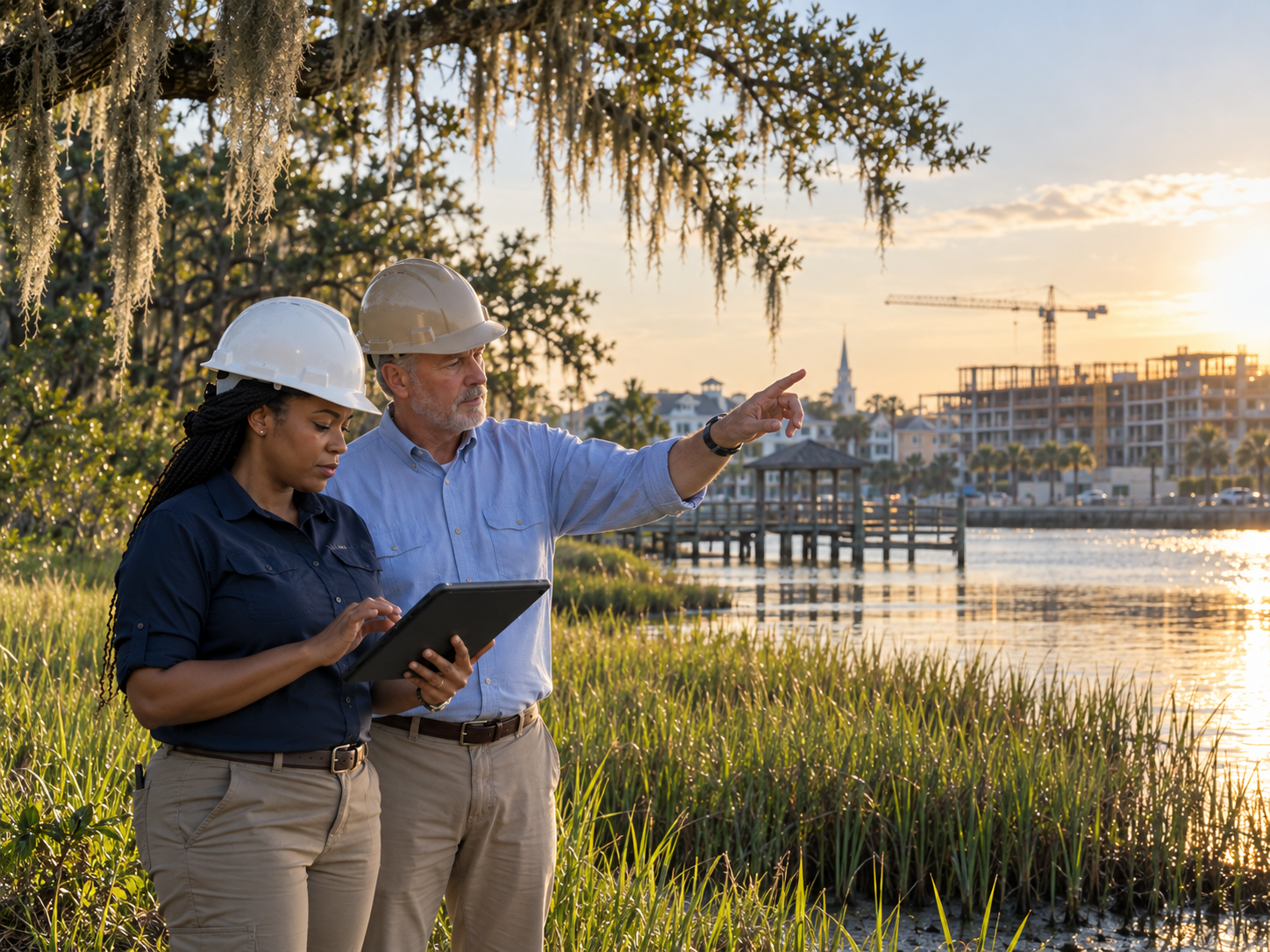
What Environmental Consulting Does Your South Carolina Project Need?
START WITH YOUR PROJECT
Buying or financing a property?
A Phase I Environmental Site Assessment helps evaluate the environmental history and conditions that may be relevant to a commercial property transaction.
Have a finding that needs a closer look?
If a Phase I ESA or available information identifies an environmental concern, CRB can review the findings and discuss whether a Phase II investigation or another next step is appropriate.
Planning development or redevelopment?
Understand the property’s history and evaluate environmental questions as your team considers acquisition, site planning, or reuse.
Managing a property or facility concern?
From persistent odors and moisture to asbestos or regulatory questions, CRB helps facility teams identify what needs attention and how to move forward.
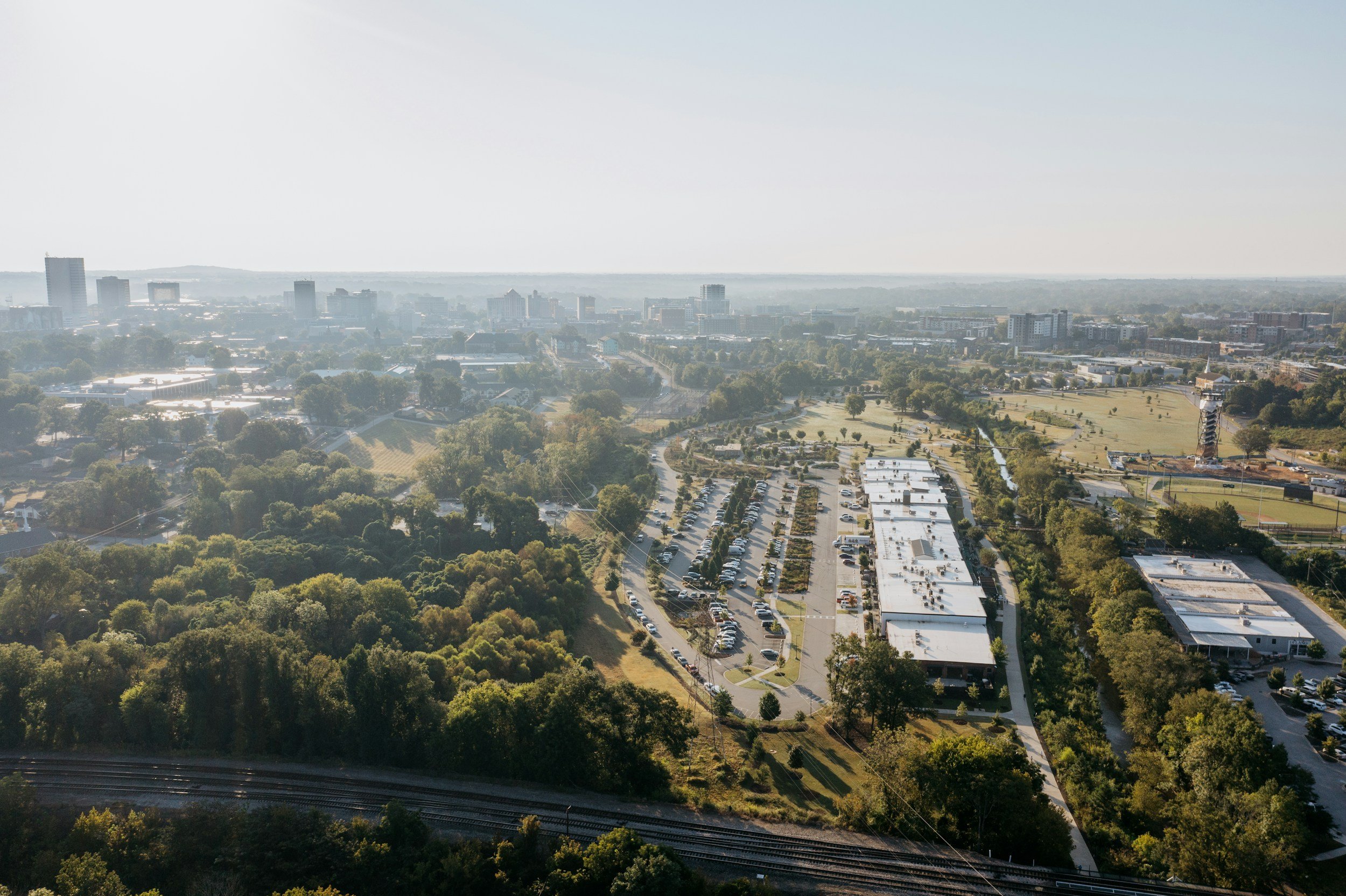
Environmental Consulting Services for South Carolina Properties and Facilities
A commercial property transaction, an operating facility, and a redevelopment project each present different environmental questions. CRB provides services suited to the property and the work your team needs to accomplish.
Phase I Environmental Site Assessments
Understand a property's environmental history before acquisition. CRB conducts Phase I ESAs in accordance with ASTM E1527-21.
Phase II Environmental Site Assessments
When further investigation is warranted, CRB develops a targeted Phase II scope that may include soil, groundwater, or soil gas sampling. Our team can also review an existing Phase I ESA prepared by another consultant.
Remediation & Corrective Action
CRB supports clients with environmental assessment, remediation planning, corrective action, and regulatory coordination based on the property’s conditions and applicable requirements.
Environmental Regulatory Compliance
Our team helps commercial and industrial clients with environmental compliance matters, including stormwater, storage tanks, waste management, and reporting obligations, as applicable to the facility.
Indoor Air Quality
CRB evaluates conditions like persistent odors, moisture, humidity, and ventilation issues in commercial and institutional buildings.
Asbestos & Mold Assessment
CRB provides asbestos and mold assessment services for property owners, facility managers, and project teams preparing for renovation, redevelopment, or response to an existing concern.
Brownfield & Voluntary Cleanup Consulting
Environmental assessment and investigation supporting former textile mills, industrial properties, and other previously developed South Carolina sites.
Facility Environmental Consulting
CRB provides asbestos and mold assessment services for property owners, facility managers, and project teams preparing for renovation, redevelopment, or response to an existing concern.
Agricultural Land & Redevelopment Due Diligence
Environmental due diligence for South Carolina agricultural land, former agricultural properties, redevelopment sites, lender review, and property reuse projects requiring site history evaluation and environmental risk assessment.
When a Property Needs More Than a Phase I ESA
A Phase I ESA can identify an environmental condition that needs a closer look. When that happens, the next question is often:
What does this mean for the property and the decision we need to make?
CRB helps clients understand the finding and evaluate the appropriate next step. If a Phase II investigation is warranted, our team can develop a scope around the specific environmental concern and the information needed.
If additional work is necessary after that, CRB can continue to support the project through further assessment, remediation planning, or regulatory coordination.
FROM ASSESSMENT TO INVESTIGATION
Already have a Phase I report?
You can contact CRB even if another environmental consultant performed the original assessment. Share the report and your project timeline, and our team can discuss what we need to evaluate the next steps.
A Phase I finding does not automatically confirm contamination or mean that remediation is required. The path forward depends on the property and the available information.
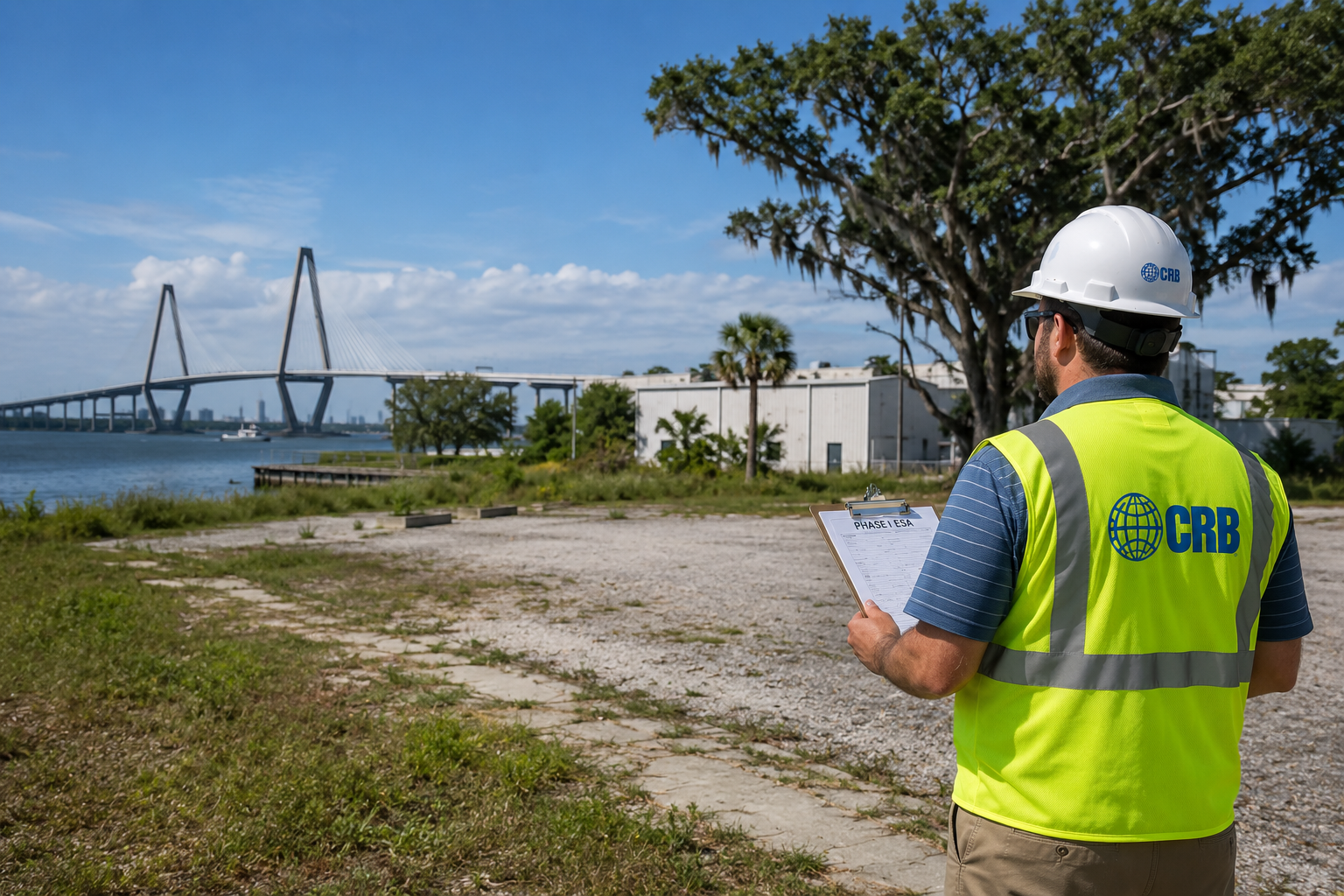
THE PEOPLE BEHIND THE PROJECT
Environmental Support for Every Stage of Your Project
Environmental questions can arise before a property transaction, during redevelopment, or long after a facility is operating. CRB works with clients across South Carolina to understand their priorities and provide the support their project needs.
Commercial real estate buyers & investors
Before buying a property, understand its environmental history and whether any findings need further evaluation.
Lenders & financial institutions
Obtain environmental assessments that support underwriting and collateral review, with attention to applicable lender requirements and transaction deadlines.
Developers & redevelopment teams
Bring environmental questions into the conversation early, whether you are considering vacant land, an industrial site, or a property being repositioned for a new use.
Facility managers & property management teams
Get help investigating conditions that can affect tenants, building operations, maintenance, or planned work.
Industrial owners & operators
Address environmental questions associated with operating facilities, property changes, and applicable regulatory requirements.
Attorneys & their clients
Work with environmental professionals who can evaluate technical information and support property, regulatory, or litigation matters within the scope of the assignment.
UNDERSTANDING THE PROPERTY IN FRONT OF YOU
South Carolina’s Property History Matters
A property’s current use is only part of its story. Across South Carolina, former textile mills, manufacturing sites, agricultural land, and older commercial properties are being considered for new ownership or new uses.
CRB evaluates the available history and site-specific information to understand what may be relevant to the decision at hand.
A property’s former use does not automatically mean it is contaminated. CRB evaluates the available evidence and recommends next steps based on the specific property and project.
-
A former mill may have housed manufacturing, dyeing, finishing, or other operations over many decades. When a property is being acquired or redeveloped, historical records and previous environmental work can help the project team understand which conditions warrant attention.
-
Industrial properties may have a history of chemical handling, storage, fueling, waste management, or other activities relevant to environmental due diligence. The scope depends on the property and available information.
-
Current or historical underground storage tanks and fueling operations can raise questions during a transaction or redevelopment. Tank records, release documentation, and previous investigations may be important to the evaluation.
-
An existing retail property may have had tenants whose operations are no longer visible. For example, a former dry cleaner may warrant a closer review of the property's history and environmental records.
-
Land considered for commercial or residential development may have had earlier agricultural uses, structures, storage areas, or other activities that should be evaluated in context.
-
Previously developed properties can present opportunities for new investment. When environmental conditions are known or suspected, assessment and regulatory review can help the project team understand the options.
Environmental Questions Can Extend Beyond the Property Line—and Beyond the Report.
Some projects involve prior investigations, documented releases, or regulatory requirements that must be understood before you can decide.
The South Carolina Department of Environmental Services (SCDES) administers programs that may apply to contaminated properties, underground storage tanks, brownfields, and environmental cleanup. The appropriate path depends on the site and the applicable program.
CRB helps clients review available environmental information, evaluate technical questions, and discuss potential next steps.
SOUTH CAROLINA ENVIRONMENTAL PROGRAMS
-
For eligible properties and parties, South Carolina’s Brownfields/Voluntary Cleanup Program may provide a framework for addressing environmental conditions as a property is prepared for reuse.
-
Tank history, release records, and prior corrective action can affect how a property is evaluated. CRB can help clients understand what information is available and what work may be needed.
-
South Carolina has a program addressing eligible contamination associated with dry-cleaning facilities. The property’s history, regulatory status, and program eligibility require individual review.
-
Documented contamination may require assessment, monitoring, remediation or regulatory coordination depending on the applicable program and site conditions.
-
Operating facilities may be subject to requirements involving stormwater, hazardous waste, storage tanks, air emissions or other regulated activities.
-
South Carolina's coastal, Piedmont and Upstate settings have different geology and groundwater characteristics. Investigation and remediation approaches must respond to the actual site conditions.
Why South Carolina Property Owners, Developers & Businesses Work With CRB
UPSTATE OFFICE · STATEWIDE CAPABILITIES

Established South Carolina Office
CRB maintains an office in Travelers Rest serving Greenville, the Upstate and projects throughout South Carolina.

Senior Technical Expertise
Experienced environmental professionals involved in evaluating findings and next steps.

Direct Project Communication
A primary point of contact and access to the environmental team familiar with the property.

Continuity Across Services
Environmental due diligence, investigation, remediation, compliance and environmental consulting capabilities.
WHERE CRB WORKS IN SOUTH CAROLINA
Travelers Rest & Northern Greenville County
CRB's South Carolina office supports local businesses, commercial properties, development sites and environmental projects throughout northern Greenville County.
Explore Travelers Rest Environmental Consulting →
Greenville & the Upstate
Environmental consulting for commercial acquisitions, former textile and industrial properties, redevelopment, manufacturing and industrial facilities.
Explore Greenville Environmental Consulting →
Spartanburg & the I-85 Corridor
Environmental due diligence and consulting for industrial properties, manufacturing operations, logistics facilities and commercial development.
Columbia & the Midlands
Environmental assessment, redevelopment, regulatory compliance and investigation for commercial, institutional and industrial properties.
Environmental Consulting Across South Carolina
CRB’s South Carolina office is located in Travelers Rest, in the Greenville market. Our team supports commercial, industrial, and redevelopment projects across the state.
Charleston & the Lowcountry
Environmental assessment and consulting for commercial properties, industrial sites, and development projects across the Lowcountry.
Rock Hill & the Northern Piedmont
Environmental due diligence and investigation for commercial property transactions, industrial facilities and redevelopment.
Florence & the Pee Dee Region
Environmental consulting for commercial, industrial, and historically developed properties, including sites with agricultural or manufacturing histories.
Frequently Asked Questions About Environmental Consulting in South Carolina
-
Environmental consulting is often needed before purchasing, financing, refinancing or redeveloping commercial property. A Phase I Environmental Site Assessment helps identify potential environmental liabilities before closing. Consultants also support property owners, developers and businesses with site investigations, remediation, groundwater concerns and regulatory compliance.
-
Commercial real estate transactions often move on tight schedules, particularly when financing, property acquisition or redevelopment is involved. CRB typically completes Phase I Environmental Site Assessments within 10–15 business days, with expedited options available for qualifying projects. For properties with former textile, manufacturing or petroleum-related uses, beginning the assessment early allows time to evaluate historical environmental concerns before closing.
-
Potential concerns depend on a property's historical use and location. Former textile mills, manufacturing facilities, dry cleaners, service stations and industrial properties may warrant closer environmental review. Historical chemical handling, petroleum storage, waste disposal and documented releases can influence the appropriate assessment scope. These activities do not automatically establish contamination.
-
The South Carolina Department of Environmental Services (SCDES) oversees state environmental programs involving Brownfields, underground storage tanks, contaminated-site investigation and cleanup. The U.S. Environmental Protection Agency (EPA) also has authority over certain federally regulated sites and programs. Applicable requirements depend on the property, environmental conditions and activities involved.
-
Yes. Environmental findings may lead lenders, investors or buyers to request additional investigation, documentation or clarification before closing. Confirmed contamination can also influence development planning, cleanup responsibilities and project costs. Identifying concerns early allows transaction teams to evaluate potential risks and determine appropriate next steps.
-
A recognized environmental condition does not automatically mean contamination is confirmed or remediation is required. Depending on the findings, CRB may recommend a targeted Phase II Environmental Site Assessment involving soil, groundwater or soil gas sampling. If contamination is confirmed, additional evaluation may determine whether cleanup, monitoring or regulatory coordination is necessary.
-
SCDES administers the Brownfields/Voluntary Cleanup Program to support assessment and cleanup of eligible environmentally impacted properties. Qualifying non-responsible parties may enter agreements establishing cleanup responsibilities and providing certain liability protections. Eligible redevelopment projects may also qualify for funding or tax incentives, subject to program requirements.
-
SCDES administers programs addressing releases from regulated underground storage tanks and contamination associated with qualifying dry-cleaning facilities. Depending on eligibility and site conditions, investigation, cleanup oversight or financial assistance may be available through programs such as SUPERB and the Drycleaning Facility Restoration Trust Fund. Each property's regulatory status and cleanup needs must be evaluated individually.
-
Yes. CRB serves commercial property owners, lenders, developers, attorneys and industrial facilities statewide from its Travelers Rest office. Service areas include Greenville, Spartanburg, Columbia, Charleston, Rock Hill, Florence and surrounding communities. Services range from Phase I and Phase II ESAs to environmental remediation, regulatory compliance, groundwater consulting and building environmental assessments.
START WITH YOUR PROPERTY OR PROJECT
Discuss Your South Carolina Environmental Project With CRB
Tell us where the property or facility is located, what environmental question you're trying to resolve and your timeline. Our team can help determine the appropriate next step.