
Phase II Environmental Site Assessments in South Carolina
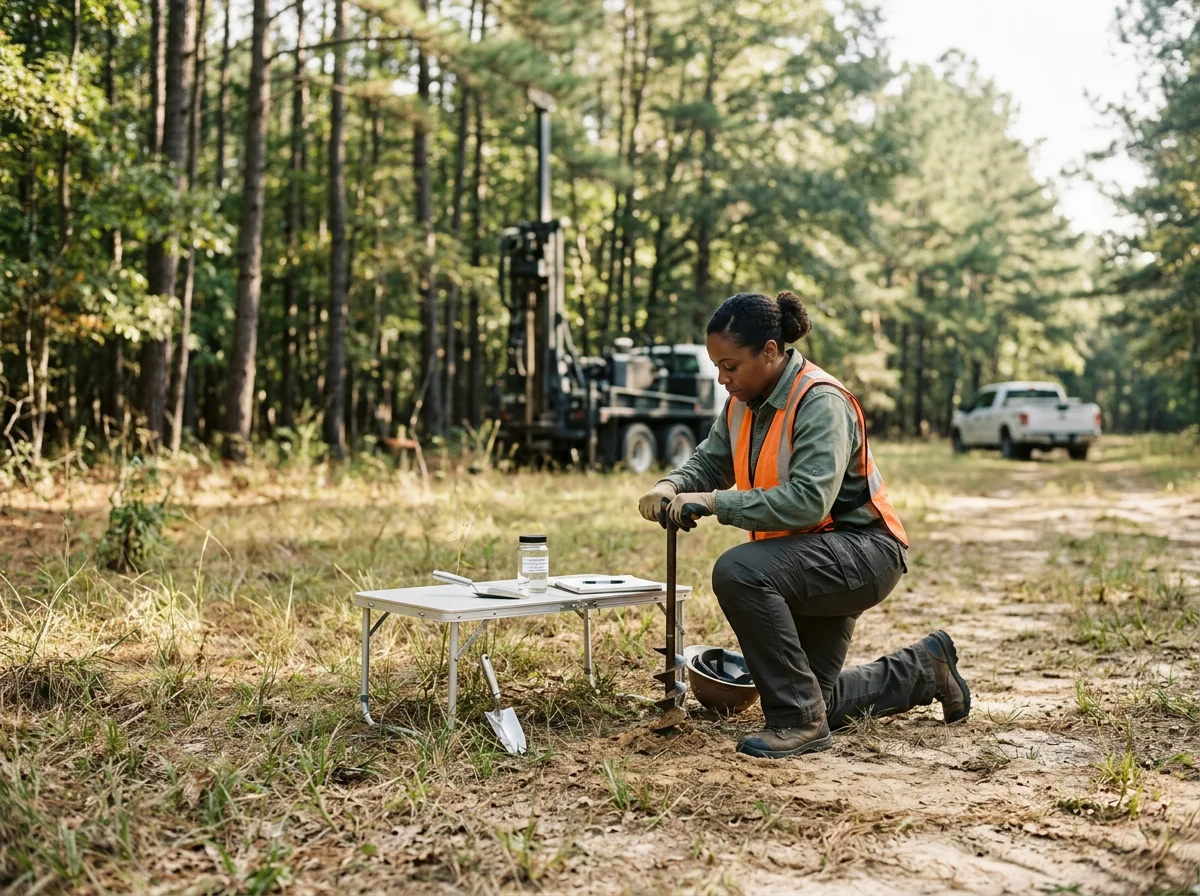
When an environmental concern needs a closer look, CRB provides targeted Phase II Environmental Site Assessments for commercial properties and development projects throughout South Carolina.
Our team investigates site-specific questions and helps buyers, lenders, and property owners understand what the results mean for their next decision.
What is a Phase II Environmental Site Assessment?
A Phase II Environmental Site Assessment is a targeted investigation used to evaluate a specific environmental concern associated with a property.
While a Phase I ESA evaluates property history, records, and observable conditions, a Phase II may involve collecting and analyzing samples to investigate the concern more directly. Depending on the site and the question being evaluated, the scope may include soil, groundwater, or soil gas sampling.
CRB develops the investigation around the available information and the decision the results need to support. CRB determines sampling locations, laboratory analyses, and the overall scope for each property.
Already have a Phase I ESA?
CRB can review an existing report and discuss a potential Phase II scope, even if another environmental consultant completed the original assessment.
WHEN MORE INFORMATION IS NEEDED
Need a Phase II ESA for a South Carolina property?
When Might a South Carolina Property Need a Phase II ESA?
Consider a Phase II ESA when available information leaves an environmental question that records review and observation alone can't resolve.
KNOW WHEN TO TAKE A CLOSER LOOK
1. A Phase I ESA identifies a recognized environmental condition
A recognized environmental condition may warrant further investigation to evaluate whether a release has affected the property. CRB can review the findings and discuss whether a Phase II is appropriate.
2. A lender or buyer needs more information
Environmental findings may prompt questions during underwriting or due diligence. A targeted investigation can provide additional data for the parties evaluating the property.
3. Historical operations raise a specific concern
Former fueling, dry-cleaning, manufacturing, or other operations may lead to questions about soil or groundwater conditions. Whether sampling is appropriate depends on the property-specific information.
4. Existing reports leave an unresolved question
Previous investigations may be available, but they may not answer the question relevant to the current transaction or proposed use. CRB can review the information and discuss potential next steps.
5. A development team is evaluating a property for reuse
Where an environmental concern has been identified, an investigation may help the team understand site conditions as it considers acquisition or redevelopment.
What Does a Phase II ESA Involve?
No two properties present exactly the same environmental question. CRB reviews the available information before recommending where to investigate and what to analyze.
The scope may include some of these activities and not others. A Phase II is designed around the information needed for the specific property.
A SCOPE BUILT AROUND THE QUESTION
-
We review the Phase I ESA and other available reports to understand the identified concern, prior findings, and the areas that may warrant investigation.
-
CRB develops a proposed scope based on the property, the concern being evaluated, and the project’s objectives. We discuss the scope, fee, and anticipated schedule before work begins.
-
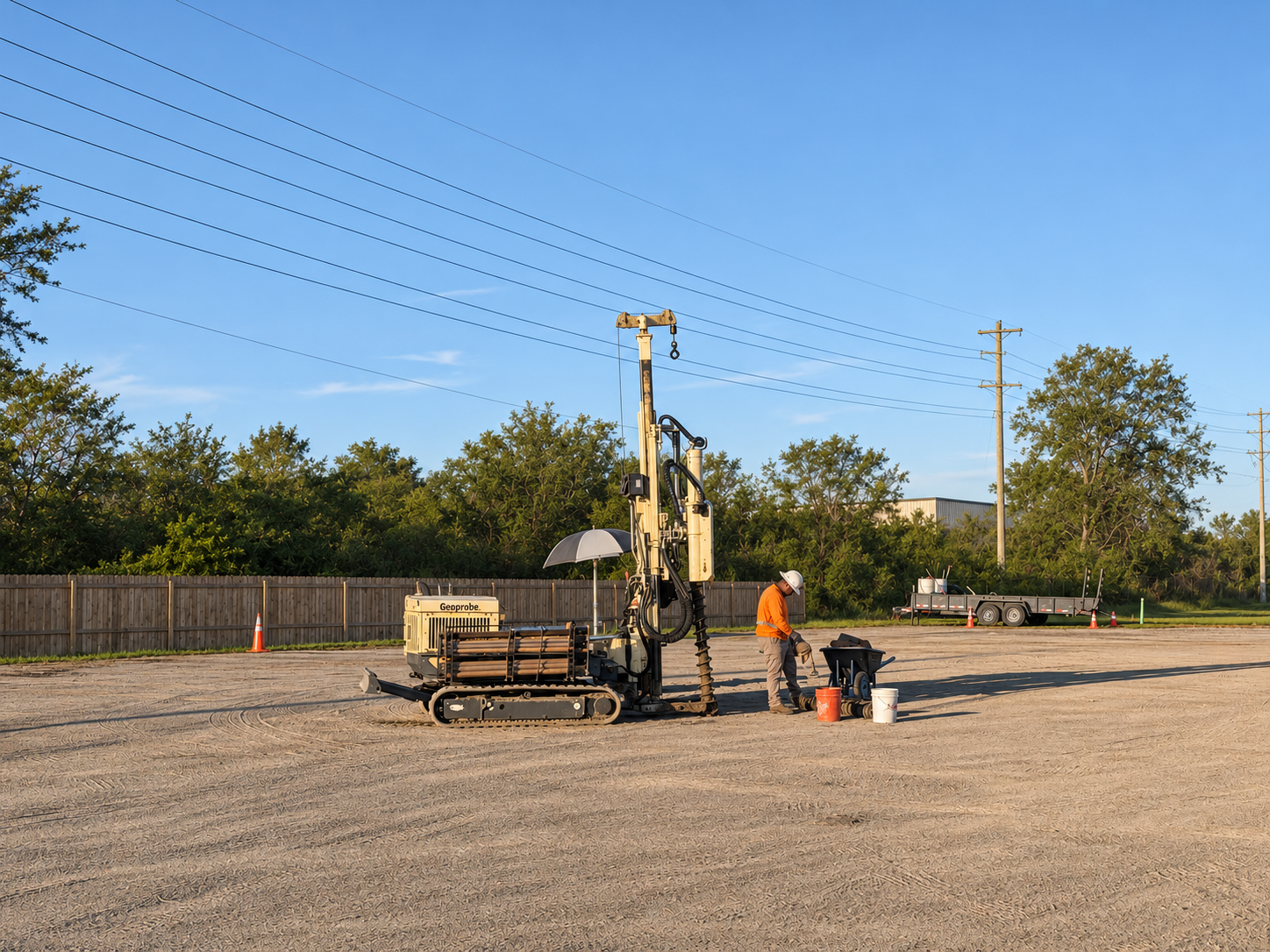
Soil samples may be collected from selected areas to evaluate whether a release has affected the subsurface.
-
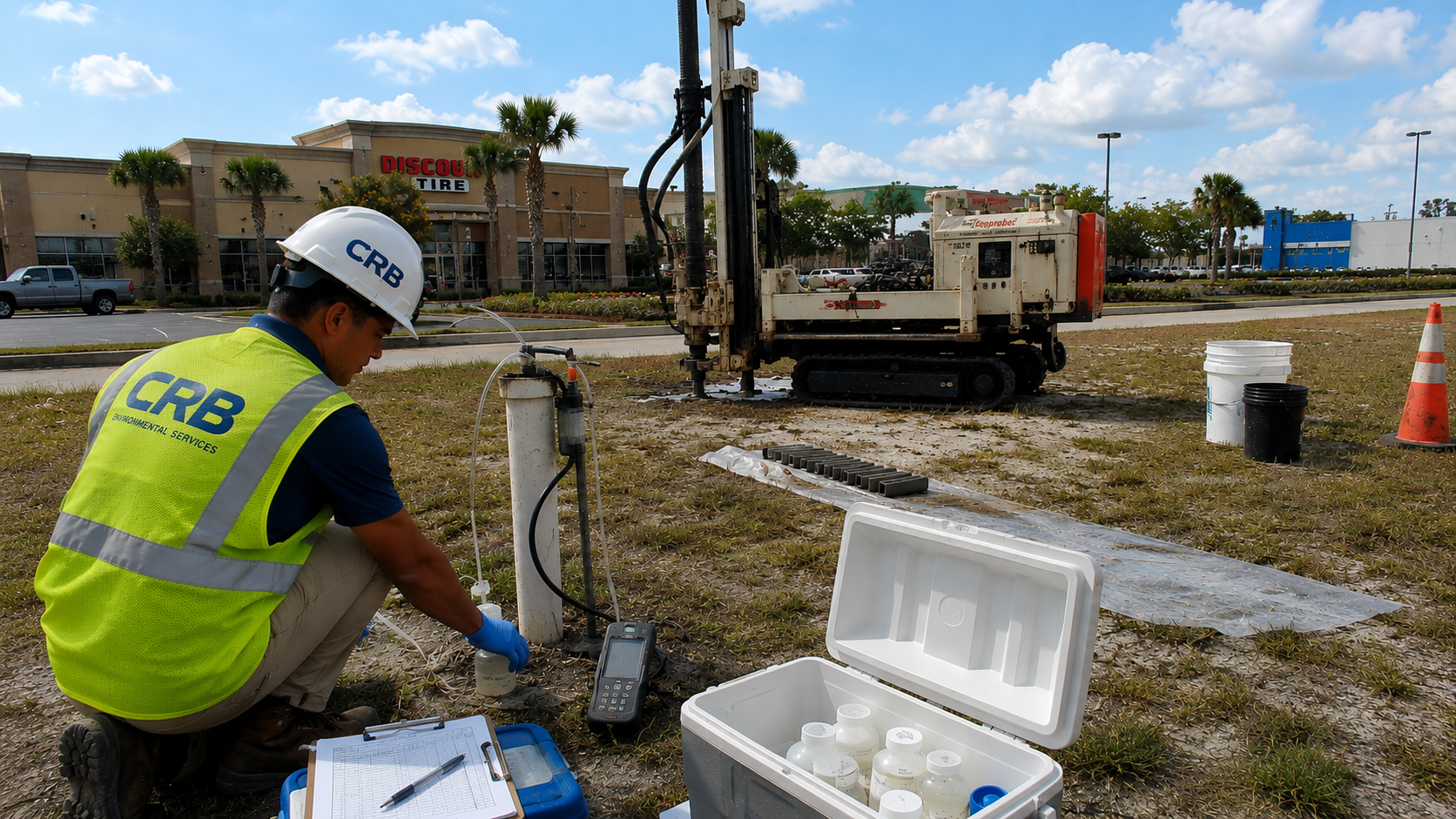
Where appropriate, groundwater sampling can provide information about subsurface conditions relevant to the investigation.
-
When warranted by the nature of the concern and the property, soil gas sampling may help evaluate the presence of volatile compounds beneath or near a building.
-
Samples are submitted for laboratory analysis. CRB evaluates the results in the context of the investigation objectives and applicable criteria, then explains the findings and potential next steps.
Depending on the proposed scope, a Phase II ESA may include:
What Happens After a Phase II ESA?
The results of a Phase II investigation give your team additional information about the areas and substances evaluated. CRB explains the findings in the context of the original concern and the purpose of the investigation.
If the investigation does not identify impacts in the samples collected
The findings may help address the specific concern investigated. The conclusions depend on the scope, sampling locations, analyses, and other limitations of the work.
If impacts are identified
CRB will discuss what the results indicate and whether to consider additional assessment. Depending on the circumstances, the next step may involve further characterization, evaluation of potential response options, or regulatory coordination.
If the project needs continued support
Some properties require more work before addressing the environmental questions. CRB can remain involved through additional investigation, remediation planning, or corrective action, as appropriate to the project.
FROM SAMPLING TO YOUR NEXT DECISION
Environmental Investigations for South Carolina Properties
South Carolina properties have supported generations of commercial and industrial activity. A Phase II investigation focuses on the specific concern identified at the property, considering its history and the information already available.
INVESTIGATION IN CONTEXT
Former textile mills and manufacturing properties
A former industrial property may have available records describing past operations, storage areas, or prior environmental work. If those records identify an unresolved concern, CRB can develop an investigation focused on the relevant areas and potential substances.
Service stations and petroleum-related properties
A former fueling location or a history of underground storage tanks may raise questions about a potential petroleum release. Existing tank records and previous investigations can help inform whether additional sampling is appropriate.
Shopping centers and dry-cleaning properties
Historical dry-cleaning operations may warrant closer evaluation when available information indicates a potential release. Depending on the concern, an investigation may include soil, groundwater, or soil gas sampling.
Industrial redevelopment sites
A property being considered for a new use may already have environmental reports or documented conditions. CRB can review those materials and discuss what additional information the proposed project may need.
Phase II ESA Support for South Carolina Property Decisions
TECHNICAL INFORMATION FOR THE PEOPLE MAKING THE DECISION
-
A Phase I finding can introduce questions during an acquisition. CRB helps you understand the proposed investigation and the information it is intended to provide before you decide how to proceed.
-
When a property’s environmental history warrants additional evaluation, CRB can discuss the investigation scope and reporting needs relevant to the lending decision.
-
If an environmental concern has been identified at a site under consideration, targeted sampling may provide information to help your team evaluate the property and plan next steps.
-
Whether you are preparing to sell, refinance, or reposition a property, CRB can review existing environmental information and discuss whether further investigation is appropriate.
-
CRB provides technical review and environmental investigation support for property matters involving unresolved environmental questions.
-
Samples are submitted for laboratory analysis. CRB evaluates the results in the context of the investigation objectives and applicable criteria, then explains the findings and potential next steps.
A CLEAR PATH FROM THE FINDING TO THE NEXT STEP
Why Work With CRB
1. Senior expertise when the stakes are high
A Phase II investigation can influence a closing, lending decision, or redevelopment plan. CRB’s senior environmental professionals provide technical oversight and help your team understand the findings.
2. An investigation focused on the question at hand
CRB develops the sampling scope around the concern identified at your property. That gives you a clear understanding of what the investigation is designed to evaluate and how the results can inform your decision.
3. Built around your transaction timeline
Property decisions often come with firm deadlines. CRB considers your closing date and the work involved when preparing the scope, so you can plan with a clear understanding of the anticipated schedule.
4. One team beyond the Phase II ESA
If the results warrant additional assessment or remediation, CRB can continue with the project. You retain a team already familiar with the property and the investigation findings.
Phase II Environmental Site Assessments Throughout South Carolina
From our Travelers Rest office, CRB supports Phase II Environmental Site Assessments and environmental investigations across South Carolina, including Greenville, Spartanburg, Columbia, Charleston, Rock Hill, Florence, and surrounding communities.
Have properties in more than one state? CRB also supports environmental projects nationwide, providing a consistent point of contact for clients with projects across multiple markets.
SOUTH CAROLINA AND NATIONWIDE CAPABILITIES
REQUEST A PROPOSAL
Need a Phase II ESA for a South Carolina Property?
Tell CRB about the property and your timeline. Our team will review the information needed to prepare a proposal specific to your project.
Frequently Asked Questions About Phase II Environmental Site Assessments in South Carolina
-
Not automatically. A former textile mill may have a history of manufacturing, chemical use, or waste handling that warrants review, but the need for a Phase II depends on the available evidence and the specific concern identified.
If a Phase I ESA or previous report identifies an unresolved environmental condition, CRB can evaluate the information and discuss whether targeted soil, groundwater, or soil gas sampling is appropriate.
-
It can. If available records or a Phase I ESA indicate a potential release associated with a former service station or underground storage tank, additional investigation may be appropriate.
CRB can review available tank and environmental records to help determine what to investigate. South Carolina Department of Environmental Services (SCDES) files may provide information about reported releases, prior assessment, or corrective action.
-
Testing may be appropriate when the available property history or environmental records indicate a potential release. The scope depends on the former operation, any previous investigation, and the condition being evaluated.
South Carolina maintains a Dry Cleaning Facility Restoration Trust Fund for eligible sites. A property’s participation or eligibility should be evaluated individually.
-
Yes. A targeted Phase II ESA can provide information about specific environmental concerns at a property being considered for redevelopment. Depending on the findings and the project’s objectives, you may need additional investigation to support planning or regulatory review.
South Carolina’s Brownfields/Voluntary Cleanup Program provides a framework for assessment and cleanup at eligible properties. CRB can discuss the available technical information and the investigation your project may need.
-
An existing SCDES file can provide useful information about previous releases, investigations, cleanup, or regulatory decisions. It does not automatically mean that a new Phase II ESA is needed—or that all questions relevant to the current transaction have been answered.
CRB can review the available documentation alongside the current project objectives and discuss whether additional work is appropriate.
-
Reporting obligations depend on the circumstances. The type of release, the property’s regulatory status, and the applicable state or federal requirements can affect whether and when notification is required.
CRB can discuss potential reporting considerations as part of the project. Property owners and buyers should also consult their legal counsel about obligations specific to the site. SCDES provides guidance for reporting environmental releases and concerns.
-
Yes. CRB’s South Carolina office is in Travelers Rest, and our team supports Phase II Environmental Site Assessments statewide, including the Charleston, Columbia, Greenville-Spartanburg, Rock Hill, and Florence markets.
When requesting a proposal, share the property location and your deadline so our team can evaluate the project.