
Environmental Consulting for Commercial Real Estate, Facilities, & Industrial Properties
Senior environmental expertise, direct consultant access, and clear next steps from initial assessment and investigation through remediation and regulatory closure.

Senior Expertise. Direct Access.
Better Environmental Consulting.
THE CRB DIFFERENCE
01 — Senior Expertise
Experience stays involved.
Experienced environmental professionals remain directly involved in your project, bringing technical judgment to the findings, recommendations, and decisions that matter.
02 — Direct Access
Talk to the people who understand your project.
Fewer layers and unnecessary handoffs mean you can communicate directly with the professionals familiar with your property, findings, and objectives.
Environmental decisions can affect transactions, project schedules, building operations, and long-term liability. CRB combines experienced technical judgment with the responsiveness and accessibility clients need to make informed decisions and keep projects moving.
03 — Responsive Delivery
Built around real-world deadlines.
Environmental work rarely happens in isolation. We understand the closing dates, construction schedules, facility concerns, and operational deadlines surrounding your project.
04 — Full Project Continuity
One team from assessment through resolution.
When an assessment leads to additional investigation, remediation, or regulatory work, CRB can stay with the project so you don't have to start over with a new consultant.
Environmental Expertise for the Decisions You're Responsible For
Whether you're evaluating a property, managing a building, or addressing an environmental obligation, CRB helps you understand what matters, what the findings mean, and what should happen next.
HOW WE HELP
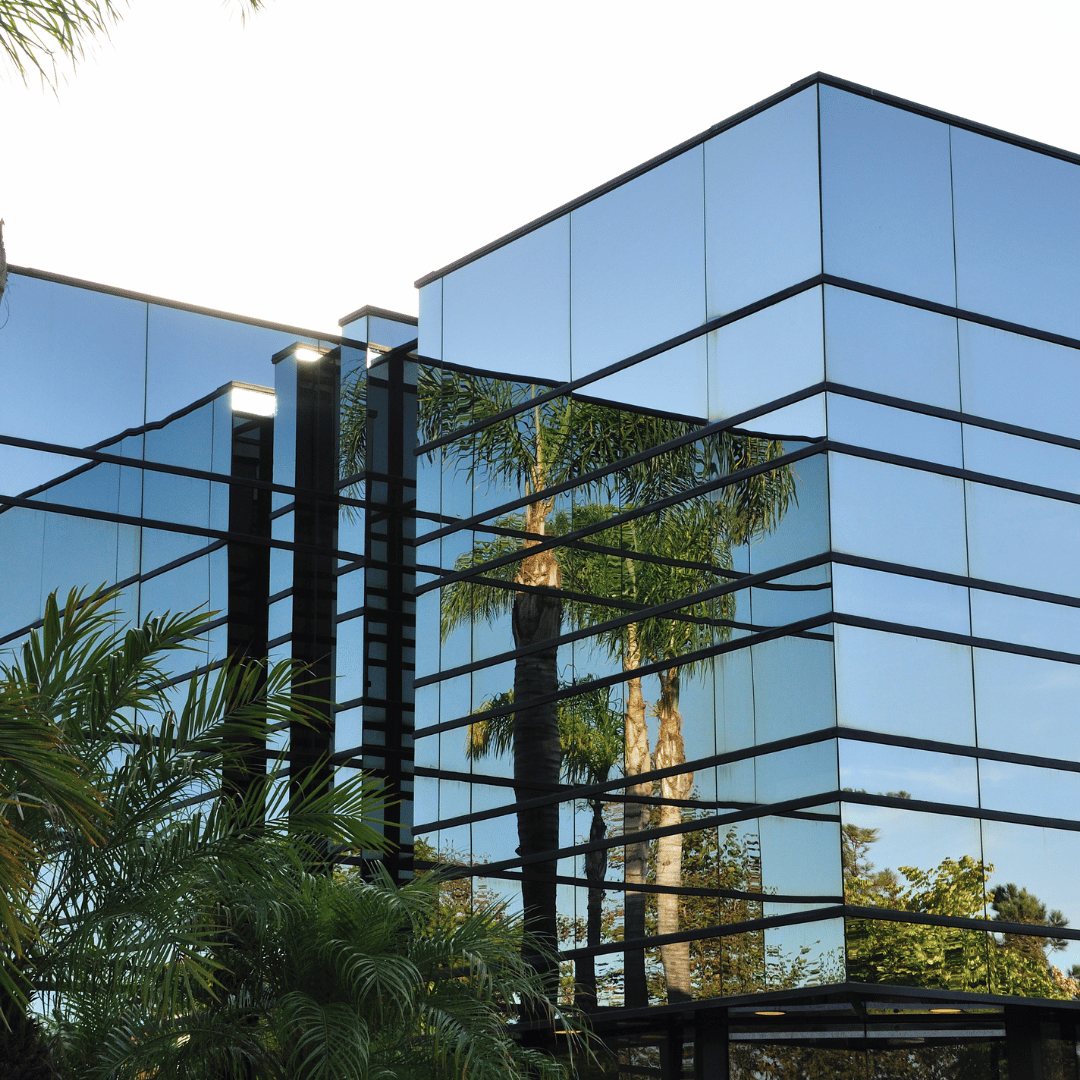
Commercial Real Estate & Development
Environmental due diligence for acquisitions, financing, redevelopment, and property transactions, with experienced professionals who understand the technical findings.
Relevant Services
Phase I ESA - Phase II ESA - Remediation - Regulatory Closure

Facilities & Property Operations
When occupants report odors, moisture, mold, air quality concerns, or other building conditions, CRB investigates the property to determine potential sources and next steps.
Relevant Services
Indoor Air Quality - Mold & Moisture - Asbestos Remediation

Industrial & Regulatory
CRB helps industrial and regulated facilities investigate environmental conditions, navigate compliance requirements, manage remediation, and work toward resolution.
Relevant Services
Environmental Compliance - Aquifer Analysis - Groundwater Modeling - Remediation - Regulatory Closure
The Right Environmental Expertise for the Problem at Hand
Environmental projects rarely fit neatly into one category. CRB brings together due diligence, investigation, building environmental services, remediation, and regulatory expertise so the scope can evolve as the project does.
ENVIRONMENTAL SERVICES
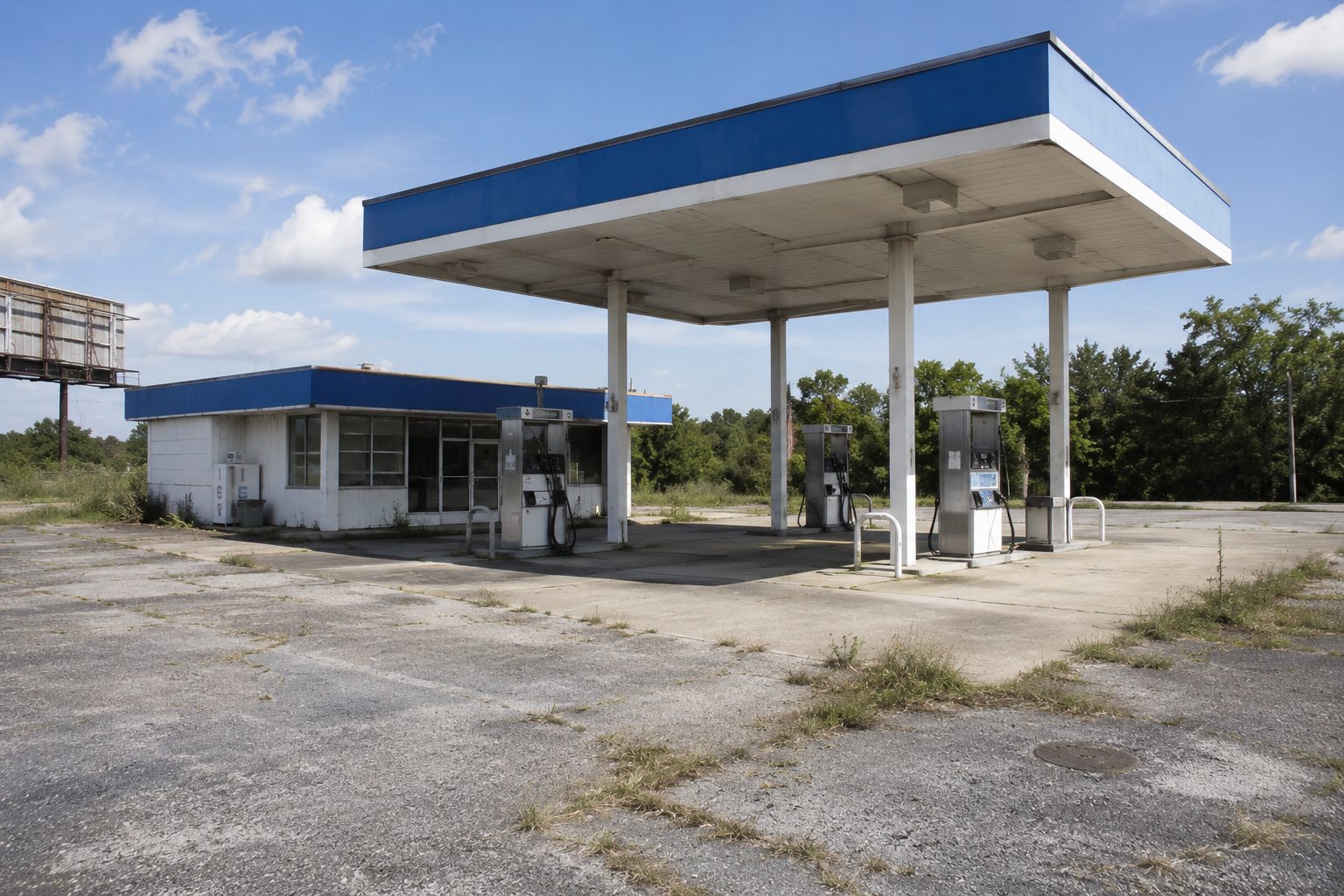
Due Diligence & Property Risk
Phase I Environmental Site Assessments
Evaluate historical and current property conditions to identify potential environmental concerns that could affect a transaction, financing, liability, or redevelopment.
Phase II Environmental Site Assessments
Investigate potential environmental concerns through targeted sampling and analysis to determine whether contamination is present and what it may mean for the property.
Agricultural Land Due Diligence
Evaluate environmental conditions associated with current or historical agricultural land use before acquisition or development.

Building Environmental Conditions
Indoor Air Quality (IAQ)
Investigate indoor environmental concerns by evaluating the building, complaint patterns, potential sources, HVAC conditions, moisture history, and other factors that may be contributing to the problem.
Mold & Moisture
Identify moisture conditions and potential mold growth, determine contributing sources, and establish appropriate next steps for correction.
Explore Mold & Moisture Services →
Asbestos
Support renovation, demolition, property management, and compliance decisions through asbestos surveys, sampling, and technical guidance.
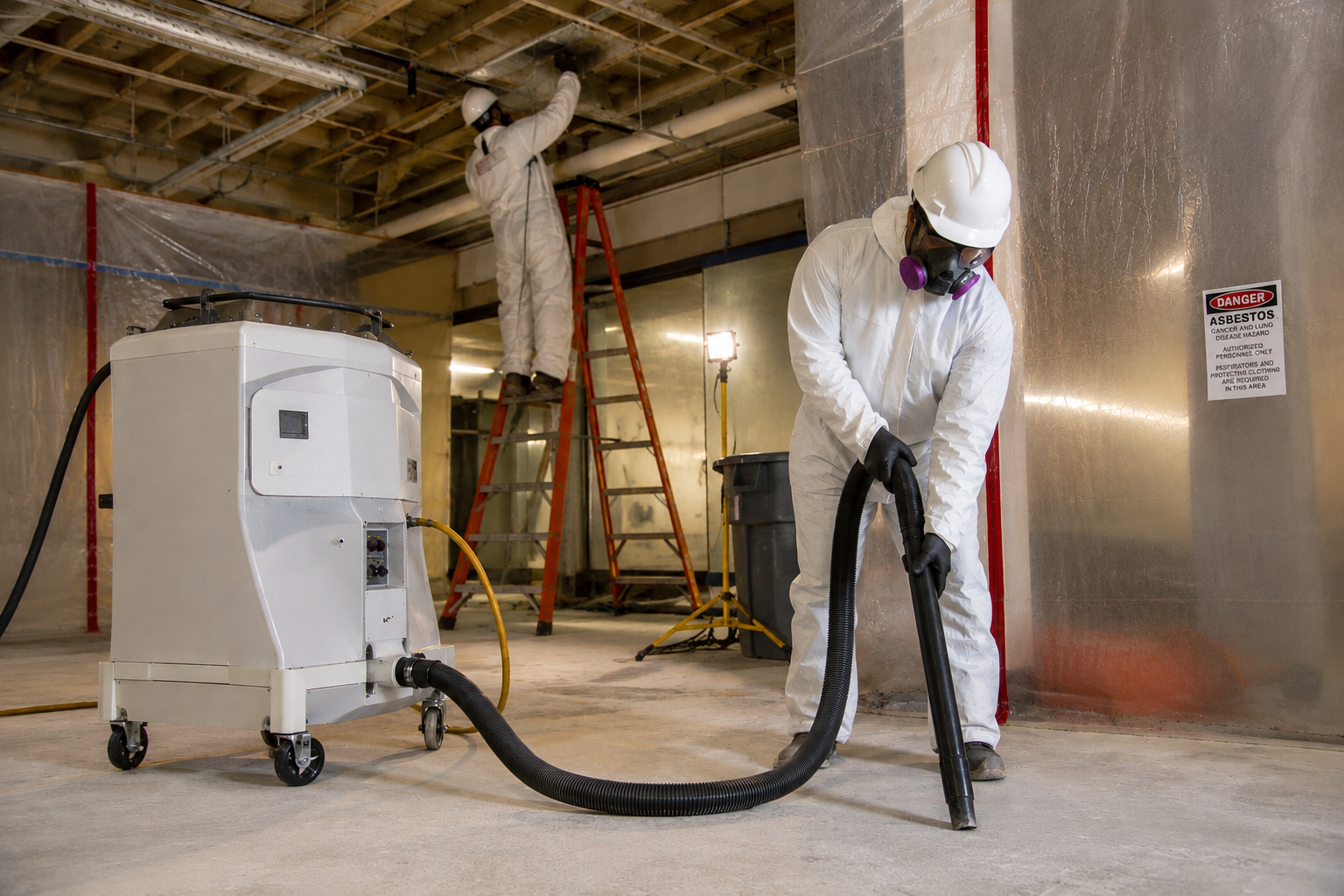
Investigation and Remediation
Site Investigation & Groundwater
Define environmental conditions through targeted soil, groundwater, and site investigation designed around the property and project objectives.
Remediation & Corrective Action
Develop and implement practical strategies to address contamination and other environmental conditions while considering regulatory requirements, property use, schedule, and cost.
Environmental Compliance
Help facilities understand and manage environmental requirements with practical technical and regulatory support.
Explore Environmental Compliance →
Expert Witness & Litigation Support
Provide technically grounded environmental analysis, documentation, and expert support for matters requiring experienced professional judgment.
One Environmental Team. However Far the Project Goes.
An environmental finding can change the scope of a project quickly. A Phase I may lead to additional investigation. Investigation may identify conditions requiring remediation. Remediation may require regulatory coordination and closure.
CRB has the technical capabilities to remain involved as those needs evolve, preserving project knowledge and reducing unnecessary handoffs between consultants.
One team. One project history. A clearer path forward.
FROM ASSESSMENT TO RESOLUTION
-
Understand the property, concern, and potential environmental risk.
-
Collect the information needed to define the condition.
-
Develop practical corrective, remediation, or compliance strategies.
-
Document the outcome and support regulatory closure where applicable.
Real Environmental Problems. Practical Paths Forward.
The value of environmental consulting isn't simply identifying what exists. It's helping clients understand what the findings mean for the decision in front of them.
CRB IN PRACTICE
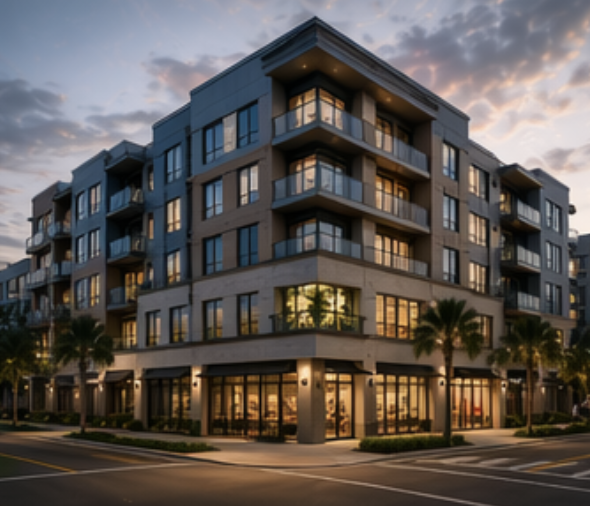
Phase I ESA for a Mixed-Use Development
A redevelopment project needed environmental due diligence completed on a tight financing timeline. CRB's Phase I ESA identified the site's environmental history and cleared the path for the transaction to close on schedule.
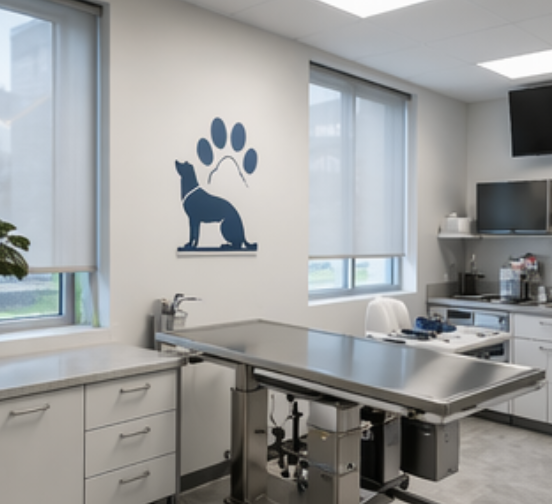
Indoor Air Quality Testing for a Veterinary Clinic
Odor and ventilation concerns at an active veterinary facility needed answers without shutting down operations. CRB's indoor air quality assessment identified the cause and gave the facility team a clear plan to address it.
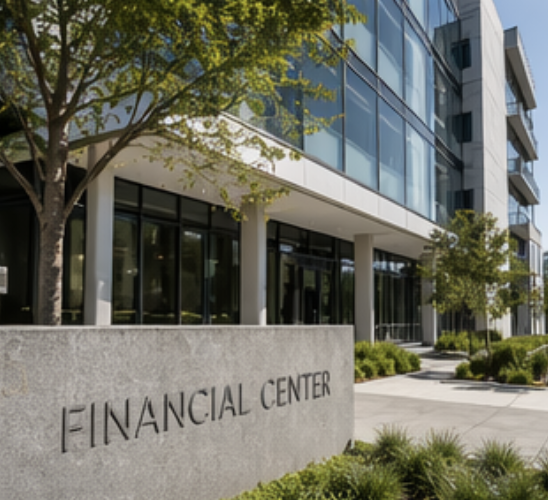
Environmental Due Diligence for CRE Lender
A lender needed environmental review that would hold up during underwriting on a commercial property acquisition. CRB delivered ASTM E1527-21 compliant reporting that supported the loan decision without delay.
Trusted for Environmental Decisions Since 1992
For more than 34 years, CRB has helped commercial, institutional, and industrial clients evaluate environmental conditions, manage risk, and move projects toward resolution.
EXPERIENCE THAT STAYS INVOLVED
Senior-Level Technical Review
Every report reflects direct oversight from experienced environmental professionals, not a template run through junior staff with a signature at the end.
ASTM E1527-21 Compliant
Reports are prepared to meet ASTM E1527-21 and EPA All Appropriate Inquiry standards, giving lenders, attorneys, and regulators a document they can rely on without follow-up questions.
Direct Access to Your Environmental Consultant
Questions get answered by the person who actually worked on your project, keeping communication fast and decisions moving instead of routed through layers of account management.
Supporting Organizations Across Commercial Real Estate, Facilities & Industry
Environmental Consulting Wherever the Project Takes You
CRB provides environmental consulting services nationwide. Our offices in Florida, South Carolina, and Idaho serve as regional hubs for our team, while our project capabilities extend across the United States.
Our office locations are not limits on where we work. They are the regional bases that support our ability to respond to clients and projects nationwide.
NATIONWIDE CAPABILITIES. LOCAL KNOWLEDGE.

Miami, Florida
Our Miami headquarters supports projects throughout Miami-Dade, Broward, South Florida, and across the United States.
Travelers Rest, South Carolina
Our South Carolina office supports projects throughout Greenville, the Upstate, the Southeast, and nationwide.
Twin Falls, Idaho
Our Idaho office supports projects throughout Idaho, the Mountain West, and across the country.
Enterprise Procurement Ready
Facility and property management teams working across a multi-site portfolio can add CRB directly to an existing vendor network. CRB is set up to onboard through the procurement and facilities management platforms enterprise teams already use, keeping future project requests fast and centralized.
Lessen
ServiceChannel
Blue222
SupplierOne
Have an Environmental Question About a Property or Facility?
MOST COMMON QUESTIONS
-
You don't have to diagnose the problem before calling CRB. Tell us about the property, concern, project objective, and timeline. Our team can help determine the appropriate scope and next step.
-
No. Our office locations represent our regional bases, not the limits of our service area. CRB provides environmental consulting nationwide and can support projects outside the immediate areas surrounding our offices.
-
Project start times depend on scope and location, but CRB's environmental consulting team is structured to respond quickly to new requests, particularly for time sensitive transactions and closing timelines.
CRB’s response to submission forms is within the same business day.
-
CRB's environmental consulting is led by experienced environmental professionals qualified to perform assessments under ASTM and EPA All Appropriate Inquiry standards, with senior level review on every project rather than sign off from a template report.
-
You can request a proposal directly through CRB's website or call CRB's Miami headquarters at (305) 447-9777. A member of the environmental consulting team will follow up to understand your property, timeline, and which service best fits your project. Regional office numbers for South Carolina and Idaho are also available on CRB's contact page.
-
CRB supports lenders, developers, investors, attorneys, and facility teams, not only buyers in an active transaction. Environmental consulting needs vary by role, from loan underwriting to litigation support to daily facility operations, and CRB's services are built to serve each of them directly.
-
Environmental due diligence evaluates a property before a transaction, acquisition, or development decision. Environmental compliance addresses ongoing regulatory obligations for a property or facility that is already operating. Many clients need both at different points in a property's lifecycle.
-
An environmental consulting firm evaluates a property's environmental history and current condition, identifies risks or compliance obligations, and provides reporting that supports transactions, financing, permitting, and ongoing facility operations. Services typically range from due diligence assessments to indoor air quality testing, remediation planning, and regulatory compliance support.