
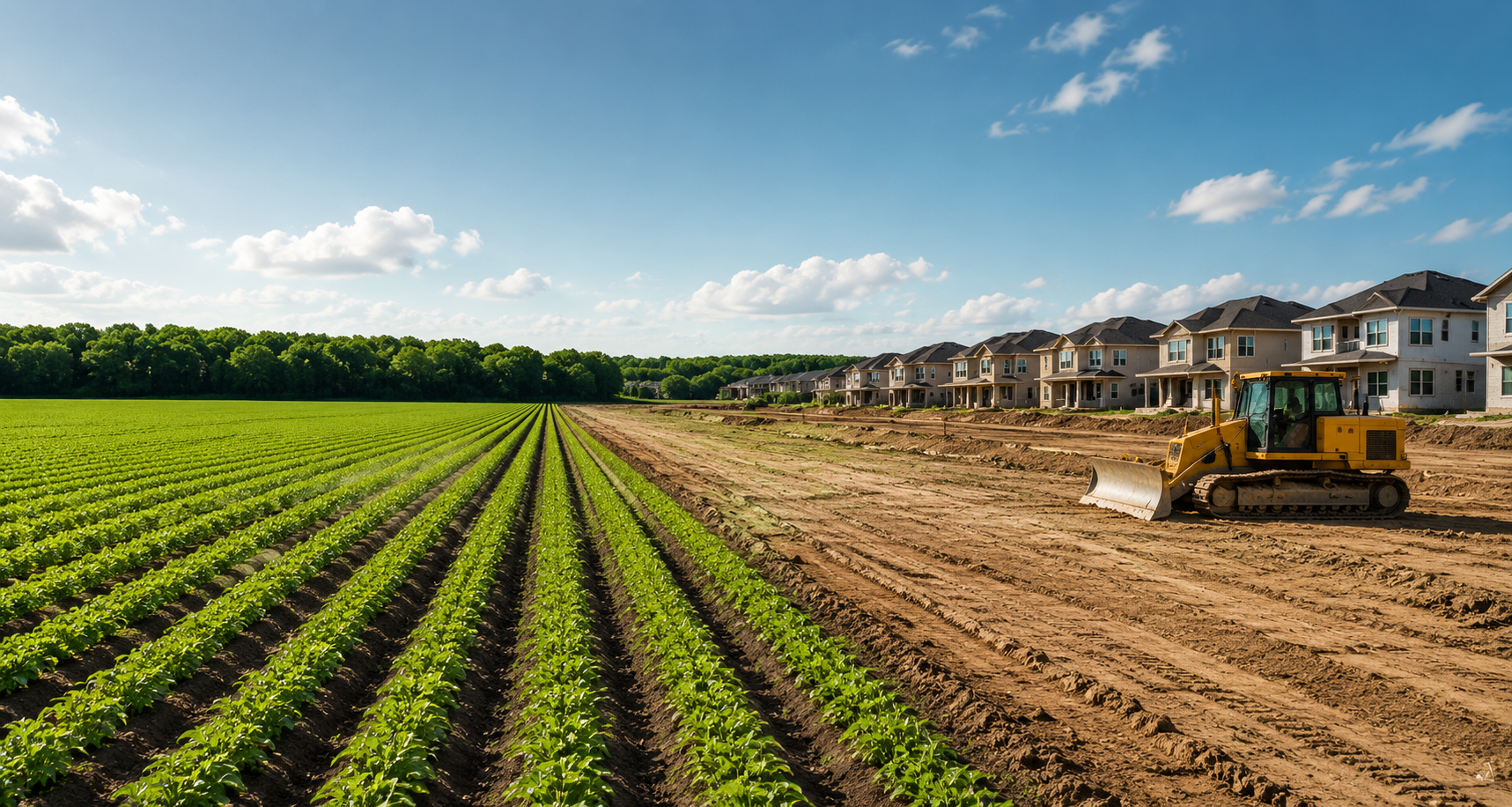
Agricultural Land Environmental Due Diligence
Phase I Environmental Site Assessments, environmental due diligence, and redevelopment environmental review for former agricultural property throughout Miami-Dade and South Florida.
Environmental Due Diligence for Former Agricultural Land Development
CRB performs agricultural land environmental assessment services for developers, commercial property buyers, lenders, and landowners evaluating former agricultural property for acquisition, rezoning, redevelopment, financing, and environmental due diligence throughout South Florida.
Our environmental professionals perform historical land use investigation, field evaluation, contamination risk assessment, and technical environmental review supporting South Florida agricultural land redevelopment and Miami-Dade environmental review requirements.
Former agricultural property across South Florida is increasingly being acquired for residential communities, industrial development, mixed-use projects, and commercial redevelopment. However, historical agricultural land use can present environmental conditions that are not always visible during acquisition.
A Phase I Environmental Site Assessment helps identify recognized environmental conditions associated with former agricultural operations before they affect land purchase, financing, permitting, or redevelopment timelines. Where environmental concerns are identified, targeted Phase II Environmental Site Assessment may be recommended to further evaluate soil, groundwater, or site conditions.
CRB helps redevelopment teams identify environmental concerns early, evaluate regulatory exposure, and navigate Miami-Dade DERM environmental review and Chapter 24 requirements before issues impact project feasibility.
South Florida Agricultural Redevelopment Insights
Why Former Agricultural Property Requires Environmental Due Diligence
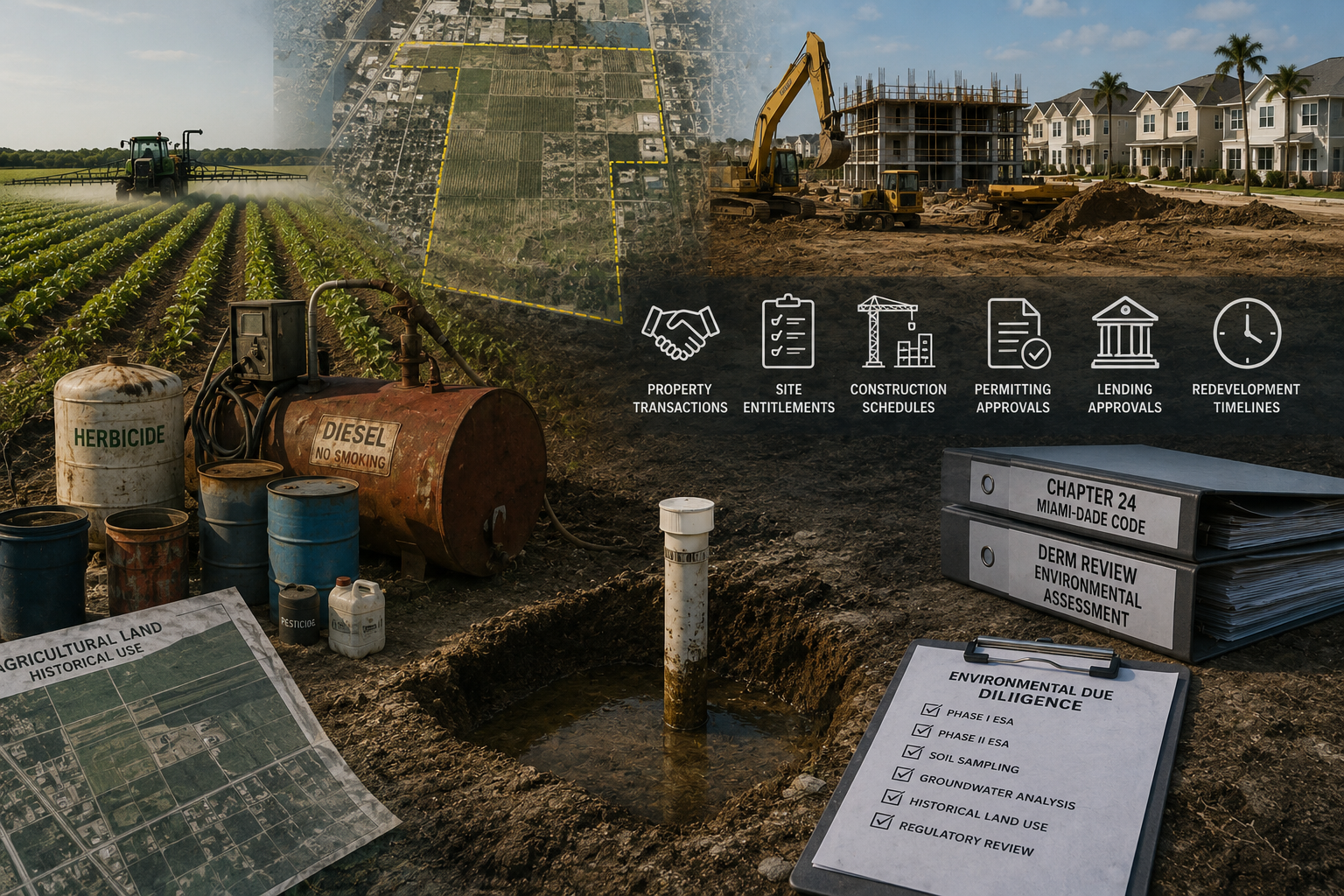
Former agricultural property often requires agricultural land environmental assessment because historical farming operations can create environmental conditions that affect South Florida agricultural land redevelopment, permitting, financing, and project feasibility.
Environmental concerns associated with former agricultural property due diligence are not always visible during acquisition and may trigger additional South Florida agricultural environmental review, Miami-Dade DERM environmental review, or Chapter 24 redevelopment evaluation.
Common environmental conditions associated with former agricultural property include:
Historical pesticide and herbicide use
Long-term chemical application may require further agricultural land environmental assessment during redevelopment review.
Agricultural chemical storage or mixing areas
Former storage, handling, or mixing locations may create soil or groundwater concerns requiring technical environmental review.
Fuel storage and equipment maintenance impacts
Historical farm equipment operations may have involved petroleum storage, maintenance activity, or releases affecting redevelopment due diligence.
Impacted soil conditions
Former agricultural operations, filling activity, grading, or historical site modification may create environmental conditions requiring additional site assessment.
Groundwater environmental concerns
South Florida’s shallow groundwater conditions can increase environmental sensitivity during former agricultural property due diligence.
Unknown fill material
Imported fill, undocumented grading, or historical dumping may require technical environmental evaluation.
Miami-Dade DERM environmental review and Chapter 24 requirements
Environmental conditions identified during agricultural land environmental assessment may require regulatory coordination before redevelopment can move forward.
Early agricultural land environmental assessment helps developers identify environmental concerns before they create delays during land acquisition, rezoning, permitting, financing, or South Florida agricultural land redevelopment.
When Agricultural Property Requires a Phase I Environmental Site Assessment
A Phase I Environmental Site Assessment for agricultural property is often required when former agricultural land is being acquired, financed, rezoned, redeveloped, or reviewed for environmental permitting.
CRB performs ASTM E1527-21 compliant agricultural property Phase I ESA services to identify Recognized Environmental Conditions associated with historical agricultural land use.
Our environmental professionals perform:
Historical records research
Site reconnaissance
Environmental database review
Historical land use analysis
Technical environmental risk evaluation
Defensible ASTM-compliant reporting
Agricultural properties may present additional environmental concerns due to historical farming operations, pesticide application, chemical storage, fuel storage, equipment maintenance activities, imported fill material, or groundwater sensitivity.
For redevelopment projects, the purpose of a Phase I ESA is not simply to satisfy a lender requirement. It is to identify environmental concerns early so developers and investors can better evaluate acquisition strategy, site planning, redevelopment costs, permitting risk, and potential regulatory exposure.
Miami-Dade has a long history of agricultural land use. If found that a property was used for agricultural, DERM will require additional, rigorous, and specific testing to convert land use from agricultural to commercial or residential in accordance with applicable regulations and guidelines.
Need a Phase I ESA for Agricultural Land Redevelopment?
Agricultural Redevelopment Projects Can Face Additional Environmental Review During Permitting
If a Phase I Environmental Site Assessment identifies a history of agricultural land use on the property, Miami-Dade DERM will require additional environmental testing as part of the redevelopment and permitting process. Depending on site conditions and proposed land use, this may include targeted soil sampling, groundwater assessment, contaminant delineation, or further environmental evaluation before redevelopment approvals can move forward.
CRB supports developers through this process by performing targeted soil and groundwater assessment, Phase II investigation, environmental delineation, redevelopment-focused site evaluation, and regulatory coordination associated with DERM review and redevelopment permitting requirements. Our approach is focused on identifying environmental conditions early, supporting regulatory compliance, and helping redevelopment projects move toward permitting and construction with a clear understanding of environmental site conditions.
Developing former agricultural properties in Miami‑Dade County comes with unique regulatory hurdles — from legacy soil impacts and groundwater quality concerns to DERM’s stringent permitting, sampling, and documentation requirements.
We specialize in guiding developers through every stage of converting historical farmland into build‑ready property, including:
Strategic permitting navigation: We coordinate directly with Miami‑Dade DERM to streamline environmental approvals, minimize delays, and ensure your project meets all Chapter 24 requirements.
Targeted environmental assessments: Our team conducts Phase I/II ESAs, soil and groundwater evaluations, and agricultural‑residue investigations tailored to the unique conditions of former groves, nurseries, and row‑crop operations.
Background vs. release determinations: We prepare defensible technical analyses to distinguish naturally occurring conditions (such as iron or nutrient‑rich soils) from regulated impacts, reducing unnecessary remediation and saving you time and cost.
Compliance‑ready documentation: From permit applications to technical memoranda and agency correspondence, we deliver clear, regulator‑ready submittals that anticipate DERM’s questions before they arise.
End‑to‑end project support: Whether you’re planning rezoning, site redevelopment, or vertical construction, we provide the environmental clarity and regulatory certainty needed to keep your project moving.
Need Additional Environmental Testing or Site Assessment?
Trusted by Developers, Attorneys, Brokers & Lenders
-
CRB helps developers evaluate environmental redevelopment risk before acquisition, entitlement, financing, and construction phases begin.
-
We support attorneys with technically defensible environmental reporting, regulatory insight, and environmental risk clarification for transactions and redevelopment matters.
-
CRB helps brokers reduce transaction uncertainty by identifying environmental concerns early and helping deals move forward with informed environmental guidance.
-
We provide lender-focused environmental due diligence reporting designed to support informed lending decisions and risk evaluation.
ENVIRONMENTAL & AGRICULTURAL CONCERNS
Environmental Issues Identified Late Can Delay Agricultural Redevelopment Projects
Environmental concerns discovered after acquisition or during redevelopment can significantly affect project timelines, financing, and overall feasibility.
Potential Impacts Include:
Delayed property acquisition or closing timelines
Site entitlement and permitting complications
Construction schedule disruptions
Increased redevelopment costs
Lender and financing concerns
Additional environmental review requirements
Soil management or corrective action obligations
Regulatory coordination with Miami-Dade DERM
CRB helps clients identify environmental concerns early, understand redevelopment exposure, and develop practical pathways forward before issues become costly project obstacles.
Evaluating Former Agricultural Land for Redevelopment?
CRB helps developers, investors, lenders, attorneys, and landowners identify environmental concerns before they impact permitting, financing, construction, or project timelines.
SERVICES
How CRB Supports Agricultural Redevelopment Projects
-
Comprehensive environmental due diligence evaluations designed to identify recognized environmental conditions associated with historical agricultural land use.
Our Phase I ESA evaluations may include:
Historical agricultural operations review
Historical aerial and land use analysis
Environmental database review
Site reconnaissance
Redevelopment exposure evaluation
Potential chemical handling area identification
-
When potential environmental concerns are identified, CRB performs focused Phase II investigations designed to evaluate actual site conditions.
Services may include:
Soil sampling
Groundwater assessment
Monitoring well installation
Laboratory analysis
Contaminant delineation
Risk evaluation
Our Phase II approach is strategic, technically defensible, and redevelopment-focused.
-
South Florida redevelopment projects often require coordination with Miami-Dade DERM regarding environmental conditions associated with historical land use.
CRB assists clients with:
Chapter 24 environmental concerns
DERM coordination
Environmental compliance strategy
Site investigation planning
Redevelopment risk analysis
Regulatory response support
-
When environmental impacts are identified, CRB helps clients evaluate practical corrective action pathways aligned with redevelopment goals, timelines, and budgets.
Services may include:
Contamination delineation
Remediation oversight
Soil management planning
Groundwater corrective action
Risk-based closure strategies
Regulatory coordination
Why Specialized Experience Matters
CRB EXPERTISE
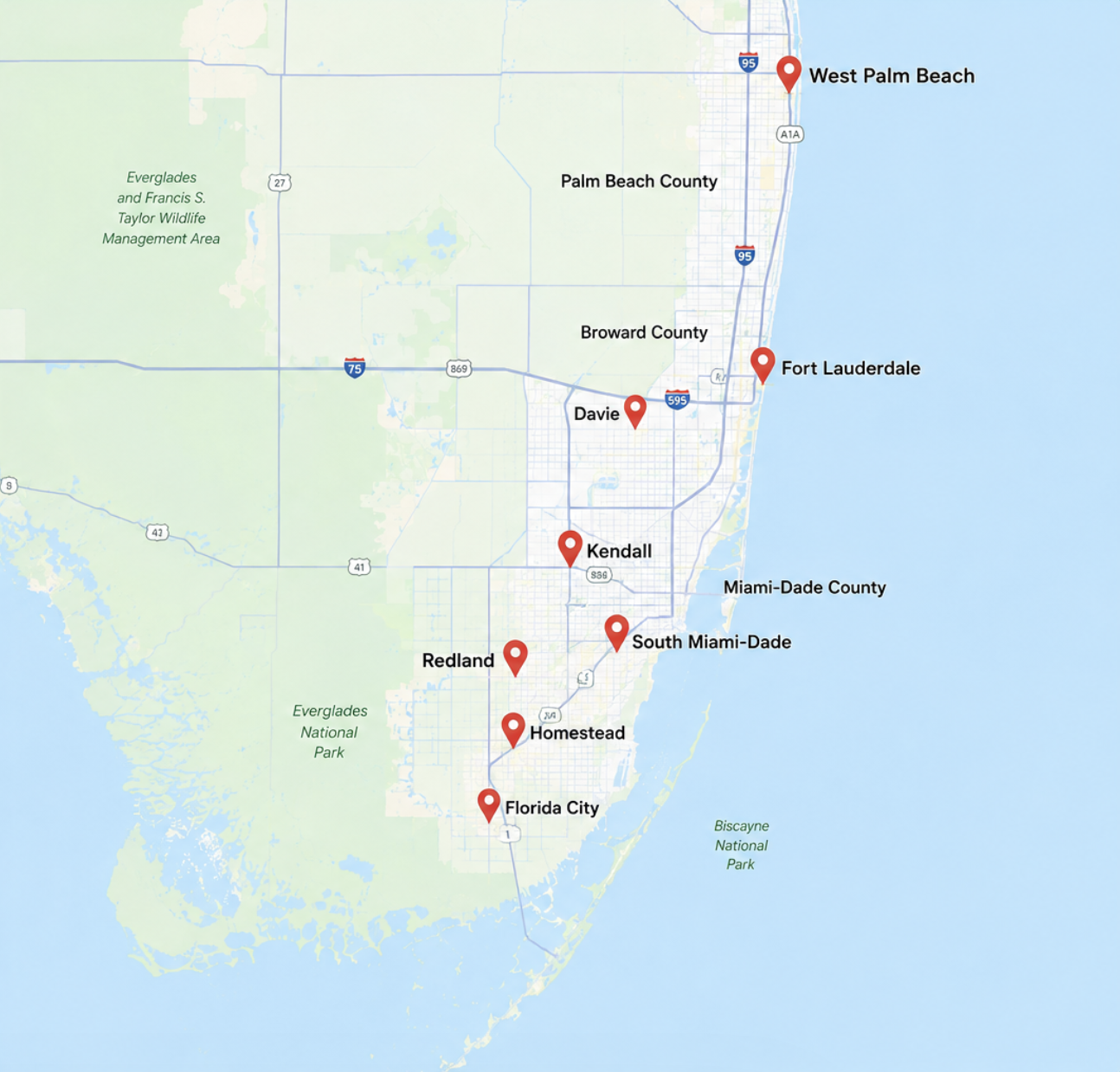
CRB supports agricultural land redevelopment projects across Homestead, Redland, Florida City, South Miami-Dade, Miami-Dade County, Broward County, Fort Lauderdale, Davie, Palm Beach County, West Palm Beach, and surrounding South Florida markets.
Many of these areas have a long history of agricultural use and are now seeing increased redevelopment pressure for residential communities, single-family home developments, commercial projects, industrial sites, and mixed-use development. CRB helps project teams identify environmental risks early so decisions can be made before acquisition, financing, entitlement, permitting, or construction.
Agricultural Redevelopment Environmental Services
in South Florida
Homestead
Redland
Kendall
South Miami-Dade
Miami-Dade County
Florida City
Broward County
Fort Lauderdale
Davie
Palm Beach County
West Palm Beach
South Florida
Frequently Asked Questions About Agricultural Land Environmental Due Diligence
-
Yes. Developers, investors, and lenders often use a Phase I Environmental Site Assessment to evaluate environmental risk before acquiring or financing former agricultural land. A Phase I ESA helps identify potential recognized environmental conditions tied to historical pesticide use, chemical storage, fuel storage, equipment maintenance, fill material, or nearby contamination sources.
-
Yes. Former farmland may have environmental concerns tied to historical pesticide and herbicide use, agricultural chemical storage, equipment maintenance areas, fuel storage, impacted soil, fill material, or groundwater conditions. These concerns are not always visible during a site walk and may require environmental due diligence.
-
Agricultural redevelopment in Miami-Dade County can involve environmental review because former agricultural operations may have affected soil, groundwater, or site conditions. Projects may also require coordination with Miami-Dade DERM depending on site history, redevelopment plans, and identified environmental concerns.
-
A Phase I ESA is a non-invasive environmental due diligence review that evaluates historical records, site conditions, regulatory databases, and potential recognized environmental conditions. A Phase II ESA involves physical sampling, such as soil or groundwater testing, when potential concerns need to be evaluated further.
-
A developer should order an environmental assessment before acquisition, financing, entitlement, permitting, or construction. Early due diligence helps identify potential environmental issues before they affect project timelines, lender requirements, site planning, or redevelopment costs.
-
Yes. Environmental concerns discovered late can delay financing, permitting, site entitlement, construction schedules, soil management, or regulatory approvals. Identifying concerns early allows the project team to evaluate options before delays become more expensive.
-
CRB provides Phase I Environmental Site Assessments, Phase II Environmental Site Assessments, soil and groundwater assessment, DERM coordination, environmental regulatory compliance support, remediation planning, corrective action support, and redevelopment risk evaluation.
-
Yes. CRB assists clients with environmental review, site assessment planning, regulatory coordination, Chapter 24-related concerns, corrective action strategy, and redevelopment risk evaluation involving Miami-Dade DERM.
Evaluating Former Agricultural Land for Redevelopment?
Before purchasing, financing, or developing former agricultural land, CRB can help identify environmental concerns that may affect your project. Our team supports developers, investors, lenders, and attorneys with Phase I ESAs, Phase II site assessments, DERM coordination, and redevelopment-focused environmental strategy.