
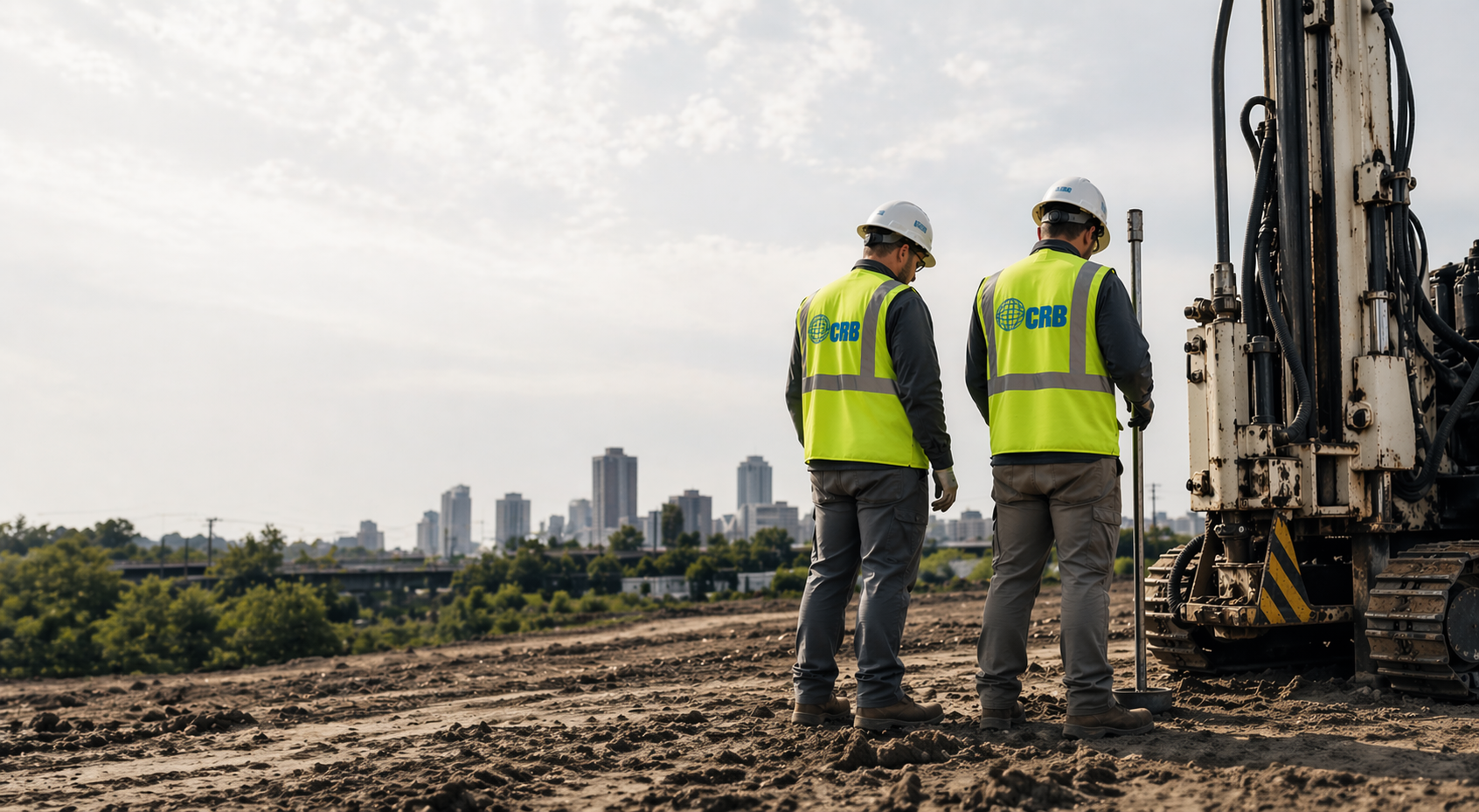
Phase II Environmental Site Assessments (Phase II ESA)
Get Definitive Answers Before You Move Forward.
When a Phase I ESA identifies a Recognized Environmental Condition, CRB's targeted soil, groundwater, and vapor sampling gives buyers, lenders, and developers the data they need to move forward with confidence.
A Phase II Environmental Site Assessment is a targeted investigation performed when a Phase I ESA identifies a Recognized Environmental Condition (REC) that can't be resolved through historical research and observation alone. Unlike a Phase I ESA, a Phase II ESA is intrusive — it involves physically collecting and laboratory-testing samples from the property to determine whether contamination is actually present, and if so, its extent.
A Phase II ESA is built around three core objectives:
What Is a Phase II ESA?
Confirming or Ruling Out Contamination
Targeted sampling and lab analysis either substantiate or eliminate the concern flagged during the Phase I ESA
Evaluating Results Against Regulatory Standards
Comparing lab findings to applicable federal or state risk-based screening levels to determine compliance status, exposure risk, and whether further action is warranted.
Defining The Extent of Impact
If contamination is present, identifying which environmental media are affected (soil, groundwater, soil vapor) and documenting the nature and magnitude of the impact.
At CRB, every Phase II ESA is scoped by a senior Environmental Professional based on the specific REC identified — not a generic, one-size-fits-all sampling plan — so you're paying for the testing your property actually needs, not a blanket approach that inflates cost without adding useful information.
-
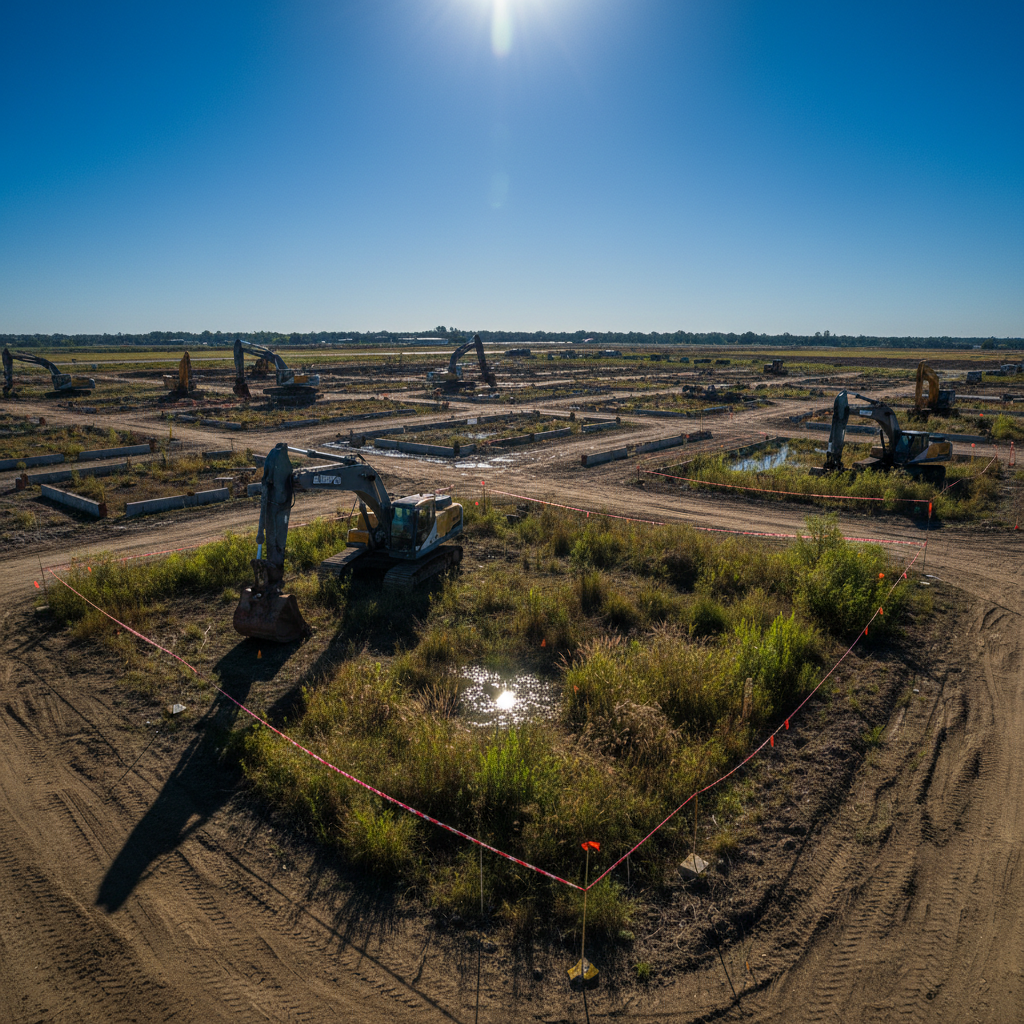
Your Phase I ESA flagged a potential concern, often a former dry cleaner, gas station, auto repair shop, or a documented spill nearby, that records alone can't resolve.
-
Your lender or attorney needs sampling data confirming site conditions before they'll approve financing or let the transaction close.
-
You're moving forward with construction or redevelopment on a site with a known or suspected environmental history, and want confirmation before breaking ground.
-
A state or local agency has asked for additional environmental data as part of a permitting, compliance, or brownfield redevelopment process.
-
You'd rather know exactly what you're acquiring than rely on disclosure alone, even when a Phase II isn't strictly required.
When Is a Phase II ESA Needed?
Importantly: Not every Phase I ESA leads to a Phase II.
Most properties don't have a REC significant enough to warrant sampling. When CRB does recommend a Phase II ESA, we explain exactly which REC is driving that recommendation and what the sampling plan will and won't tell you.
How Long Does a Phase II ESA Take?
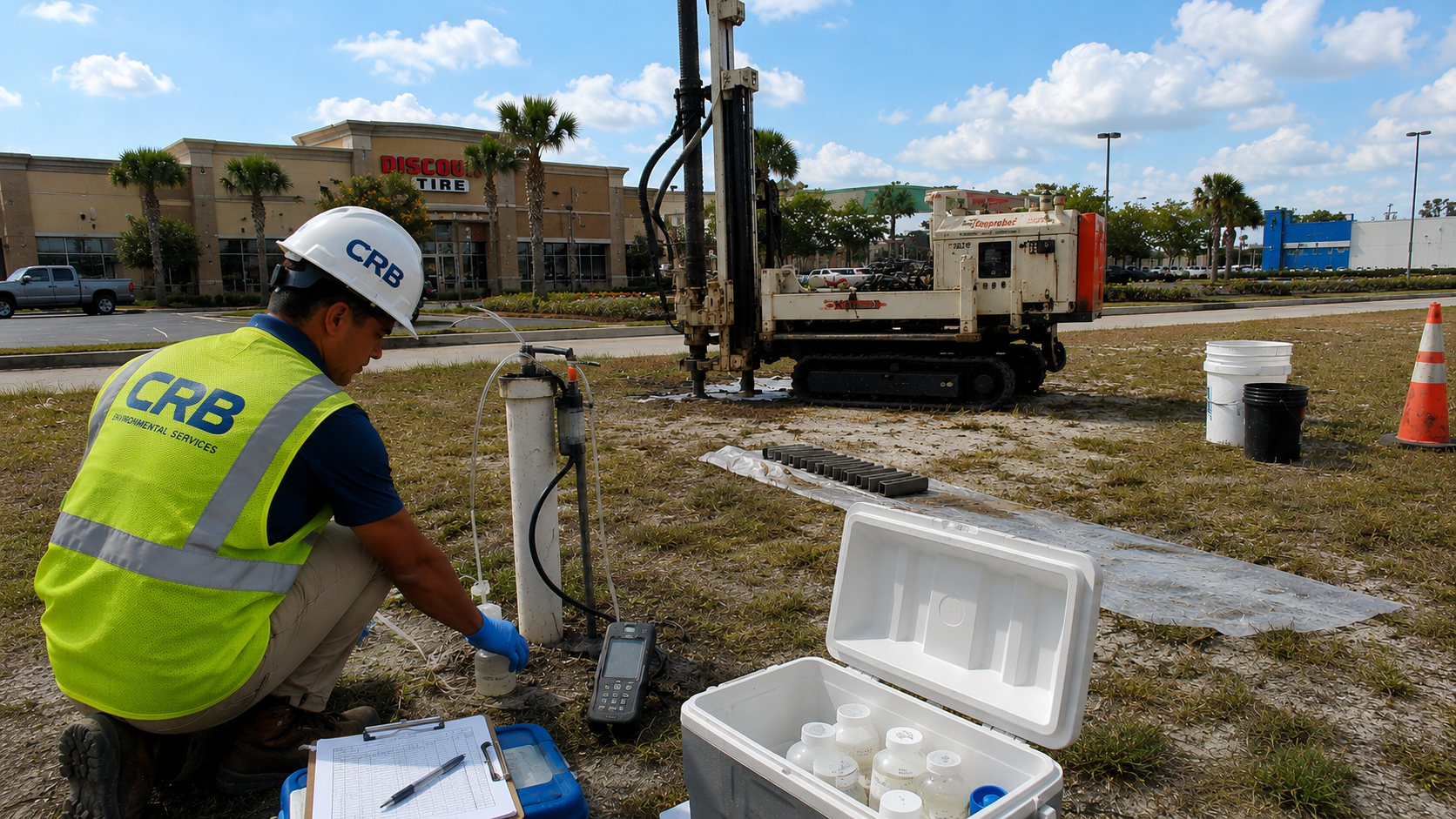
Most Phase II ESAs take 4 to 8 weeks from scoping to final report, though timelines vary based on a few factors:
Lab turnaround time, standard laboratory analysis typically takes 1–3 weeks depending on the contaminants being tested and the lab's current volume.
Drilling and access logistics, scheduling a drilling subcontractor, securing utility clearances, and coordinating site access can add time before sampling even begins.
Scope complexity, a single soil boring investigating one small REC moves faster than a multi-media investigation involving soil, groundwater, and vapor across a large parcel.
Regulatory review, if results need to be submitted to or reviewed by a state environmental agency, that process runs on the agency's timeline, not the lab's.
Rush lab analysis is available for time-sensitive transactions, which can compress the testing portion of the timeline to 1–2 weeks, though drilling and access logistics typically remain the limiting factor even on an expedited project.
How Much Does a Phase II ESA Cost?
Factors that drive Phase II ESA cost include:
Number and type of samples required, soil, groundwater, and soil vapor sampling each involve different equipment, drilling requirements, and lab analysis costs.
Site size and number of sampling locations, more sampling points mean more drilling, more lab fees, and more data to analyze.
Contaminants being tested for, a targeted petroleum screen is less expensive than a broad panel testing for metals, solvents, and petroleum compounds together.
Drilling and access conditions, sites with limited access, pavement to cut through, or utility conflicts add mobilization cost.
Regulatory reporting requirements, projects requiring formal submission to a state agency involve additional reporting time beyond the fieldwork itself.
Phase II ESA costs vary more widely than Phase I ESA costs, because the scope depends entirely on what the Phase I ESA found. For a standard commercial site, Phase II ESA costs typically range from $8,000 to $15,000. Smaller, single-issue investigations can come in lower; larger, more complex, or multi-contaminant sites can exceed $25,000 to $50,000 for an extended investigation.
What Does a Phase II ESA Involve? (Sampling & Testing Process)
Sampling Plan Development
A senior Environmental Professional designs a sampling plan targeted specifically at the REC identified in your Phase I ESA, rather than a generic testing checklist.
Soil Sampling
Soil borings are collected at strategic locations to test for contamination from historical spills, tank leaks, or industrial use.
Groundwater Sampling
Monitoring wells are installed and sampled to determine whether contaminants have migrated into groundwater.
A Phase II ESA is a hands-on, field-based investigation. Depending on the REC being evaluated, the process typically includes:
Soil Vapor Sampling
Vapor probes assess whether volatile contaminants pose a potential intrusion risk to current or future building occupants.
Laboratory Analysis
Samples are sent to a certified laboratory and tested for the contaminants relevant to the site's history, such as petroleum compounds, chlorinated solvents, or heavy metals.
Data Evaluation and Reporting
Results are compared against applicable regulatory screening levels, and findings are compiled into a clear report explaining what was found, what it means, and what needs to happen next.
Phase II ESA Experience Across Every Commercial Property Type
Former Gas Stations & Fueling Operations
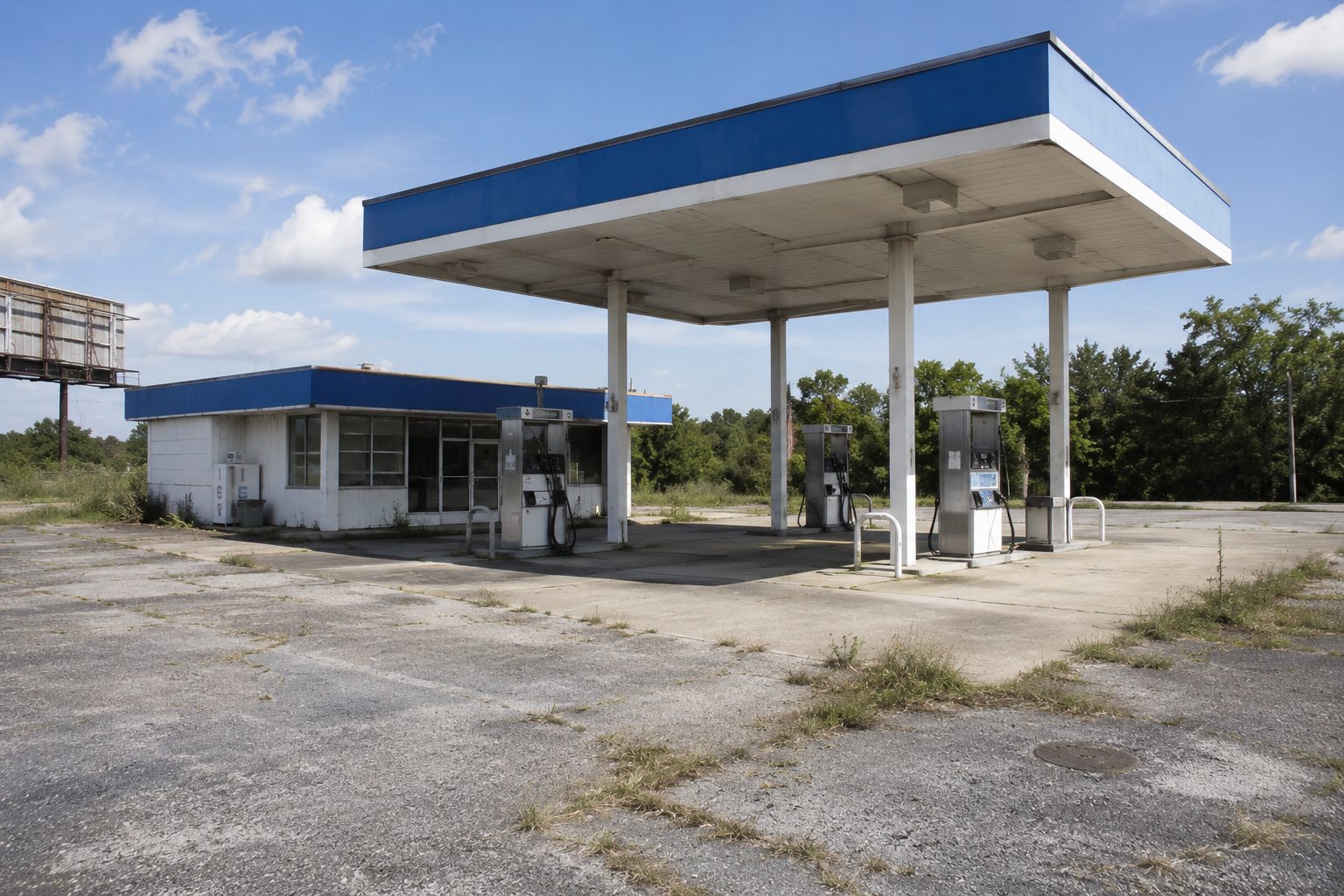
Underground storage tanks, fuel lines, and dispenser islands are among the most common sources of a Phase II ESA. We design soil and groundwater sampling around former tank locations and known petroleum release areas to determine the extent of impact.
Dry Cleaners & Industrial Laundry Sites
Historical dry cleaning operations often leave behind solvent contamination in soil and groundwater, and sometimes in soil vapor beneath adjacent buildings. Our Phase II ESAs are scoped to test for these compounds specifically, not just as a generic panel.
Industrial & Manufacturing Facilities
Former manufacturing sites frequently carry complex, layered histories of chemical use, storage, and disposal. We evaluate soil and groundwater across multiple potential source areas to characterize contamination that a Phase I ESA alone couldn't confirm.
The right Phase II ESA scope depends on what the property actually was, not just what it is today. Since 1992, CRB has designed Phase II investigations for a wide range of commercial property types nationwide, tailoring the sampling plan to the specific risk each site presents.
Retail & Shopping Centers
Retail properties may have housed a gas station, auto shop, or dry cleaner decades before their current use. Our Phase II ESAs target the specific footprint of that former tenant, even when the building above it has since changed completely.
Multifamily & Redevelopment Sites
Vacant land and redevelopment parcels can carry unseen risk from historical fill material, prior industrial use, or nearby contamination sources. We help developers confirm subsurface conditions before construction begins, when addressing an issue is far less costly.
Agricultural Land
Former agricultural sites may carry pesticide or chemical residue in soil that a Phase I ESA can only flag as a possibility. Our Phase II ESAs test directly for these compounds to confirm whether redevelopment or conversion is viable.
Once lab results come back, a Phase II ESA resolves into one of two outcomes, and each one leads to a clear next step.
What Happens After a Phase II ESA?
No Contamination Confirmed
If sampling results come back clean or below applicable regulatory screening levels, the REC identified in your Phase I ESA is considered resolved. CRB documents these findings in a final report, giving buyers, lenders, and attorneys the data needed to move forward with the transaction, financing, or redevelopment plan with confidence.
Contamination Confirmed
If sampling results confirm contamination, CRB defines the extent of impact and outlines a practical path forward, which may include additional delineation sampling, a corrective action plan, or coordination with a state environmental agency. Confirmed contamination doesn't automatically end a transaction. In many cases, it becomes a negotiation point, a scoped remediation cost, or a condition addressed before closing rather than a deal-breaker.
One Team, Start to Finish
Whether the result is a clean report or a confirmed release, you won't need to find a new consultant to take the next step. CRB carries projects directly from Phase II ESA findings into remediation planning, corrective action, and regulatory compliance, so there's no loss of project history, no re-explaining the site to a new firm, and no delay while you search for someone else to pick up where the assessment left off.
-
A Phase II ESA is an environmental investigation performed when a Phase I ESA identifies a Recognized Environmental Condition that requires further evaluation. It involves collecting and laboratory-testing soil, groundwater, or soil vapor samples to determine whether contamination is present and, if so, its extent.
-
Most Phase II ESAs take 4 to 8 weeks from scoping to final report, depending on lab turnaround time, drilling logistics, and site complexity. Rush lab analysis is available for time-sensitive projects.
-
Typically between $8,000 and $15,000 for a standard commercial site, though cost depends heavily on the number of samples required, the contaminants being tested, and site access conditions. Larger or more complex sites can exceed $25,000–$50,000.
Request a proposal once your Phase I findings are available for a scope-specific quote.
-
No. Some properties don't have a REC significant enough to warrant sampling. A Phase II ESA is only recommended when a Phase I ESA identifies a condition that records review and site observation alone can't resolve.
Frequently Asked Questions About Phase II Environmental Site Assessments
-
Confirmed contamination doesn't necessarily end a transaction. Depending on the extent and regulatory requirements, next steps may include remediation planning, negotiating transaction terms, or regulatory reporting. CRB can carry a project forward into remediation and regulatory compliance without starting over with a new firm.
-
A Phase I ESA is a non-intrusive, records-based investigation that identifies potential environmental concerns. A Phase II ESA is an intrusive, sampling-based investigation that determines whether those concerns actually involve contamination, using soil, groundwater, or vapor testing and laboratory analysis.
-
Typically the buyer, lender, or developer, since it's usually performed to satisfy their due diligence requirements. In some cases, sellers contribute to the cost if contamination is suspected before a transaction closes.
-
CRB scopes every Phase II ESA around the specific REC identified in your Phase I ESA rather than applying a generic sampling plan, so you're paying for the testing your property actually needs. Every investigation is overseen by a senior Environmental Professional and performed to ASTM E1903-19, giving lenders, attorneys, and regulatory agencies a defensible report they can rely on.