
Phase I Environmental Site Assessment Services in South Carolina
ASTM E1527-21 compliant Phase I ESAs for South Carolina commercial real estate acquisitions, refinancing, redevelopment, lender environmental due diligence, and property risk evaluation.
Phase I ESA Services for South Carolina Commercial, Industrial & Redevelopment Properties
South Carolina’s commercial property market is shaped by a mix of industrial growth, manufacturing reuse, logistics development, downtown redevelopment, former textile corridors, automotive-sector expansion, and active lending activity. In this environment, environmental due diligence should not be treated as a last-minute requirement.
CRB Geological & Environmental Services provides ASTM E1527-21 compliant Phase I Environmental Site Assessments throughout South Carolina for commercial real estate acquisitions, industrial property transactions, refinancing, redevelopment planning, lender environmental review, and property risk evaluation.
A Phase I ESA helps determine whether current or historical property conditions may indicate environmental concerns that could affect financing, closing negotiations, redevelopment plans, liability exposure, or the need for additional investigation. For South Carolina buyers, lenders, developers, attorneys, and property owners, the value is not simply receiving a report. The value is understanding risk early enough to act on it.
Greenville-Based Support for Statewide South Carolina Due Diligence
CRB maintains an office in Greenville, South Carolina, giving the firm a practical base for Phase I ESA and environmental due diligence work across the Upstate and statewide South Carolina markets. CRB’s South Carolina work supports clients evaluating commercial, industrial, redevelopment, lender-driven, and portfolio properties.
From Greenville and the Upstate to Columbia, Charleston, Rock Hill, Anderson, Spartanburg, and other growth markets, CRB helps transaction teams identify environmental risk before it becomes a financing issue, closing delay, or redevelopment constraint.
For clients with regional portfolios or multi-market property needs, CRB can also support select Phase I ESA and environmental due diligence projects in nearby North Carolina and Georgia, depending on project scope, timing, and client requirements.
South Carolina Property History & Environmental Due Diligence Concerns
South Carolina’s property history creates environmental due diligence questions that are different from many other markets. The state includes former textile and mill corridors, manufacturing facilities, industrial parks, logistics and warehouse properties, automotive-related sites, petroleum stations, dry cleaners, agricultural land, and older commercial corridors that may have changed uses over time.
In the Upstate, former mill, manufacturing, and industrial properties may be repositioned for mixed-use, warehouse, office, residential, or commercial redevelopment. In the Midlands, Columbia-area sites may involve institutional, commercial, industrial, or transportation-related history. In the Lowcountry and coastal markets, older commercial corridors, port-related activity, fill material, and redevelopment pressure can create different environmental review considerations.
For motivated buyers, lenders, developers, and attorneys, the issue is not just whether a concern exists. The real question is whether that concern affects acquisition risk, lender underwriting, negotiation leverage, redevelopment feasibility, or long-term ownership strategy.
Brownfield, Textile Mills, USTs & SCDES Records
South Carolina Phase I ESA work often requires careful review of brownfield history, former textile mills, industrial properties, underground storage tanks, dry cleaners, petroleum sites, and prior cleanup documentation. SCDES identifies Brownfield / Voluntary Cleanup, dry cleaning, emergency response, Superfund, and related cleanup programs among its environmental cleanup areas.
Former textile mills, former service stations, former landfills, dry cleaners, and industrial facilities are listed by SCDES as common brownfield site types. South Carolina’s Voluntary Cleanup Program provides a pathway for environmental assessment, remediation, and liability protection for eligible non-responsible parties.
During a Phase I ESA, CRB reviews available regulatory and historical information to understand whether records, site conditions, or prior uses may indicate Recognized Environmental Conditions, Controlled Recognized Environmental Conditions, Historical Recognized Environmental Conditions, or significant data gaps.
Source: South Carolina Department of Environmental Services Brownfields / Voluntary Cleanup Program
South Carolina Clients CRB Supports
CRB provides Phase I Environmental Site Assessments in South Carolina for organizations involved in commercial real estate, lending, industrial redevelopment, legal review, and property risk management.
CRB Supports:
Commercial real estate buyers
Lenders
Developers
Real estate attorneys
Industrial property owners
Investors
Portfolio owners
Municipalities
Public-sector entities
What a South Carolina Phase I ESA Includes
CRB performs Phase I Environmental Site Assessments in general accordance with ASTM E1527-21 for South Carolina commercial real estate due diligence, lender environmental review, acquisition, refinancing, redevelopment, and property risk evaluation.
The goal is to evaluate whether current or historical property conditions suggest the presence or likely presence of hazardous substances or petroleum products that may affect the property, the transaction, or future redevelopment plans.
A South Carolina Phase I ESA typically includes:
Site reconnaissance
Historical land use research
Environmental database review
SCDES and regulatory records review where applicable
Review of available prior environmental reports
Interviews with knowledgeable parties where appropriate
Evaluation of current and historical property use
Review of adjoining and surrounding property conditions
Identification of Recognized Environmental Conditions
Evaluation of Controlled Recognized Environmental Conditions
Evaluation of Historical Recognized Environmental Conditions
Identification of significant data gaps where applicable
Preparation of a written Phase I ESA report
ASTM E1527-21 Phase I ESAs for South Carolina Transactions
A Phase I Environmental Site Assessment is commonly used to support commercial real estate due diligence and may help satisfy All Appropriate Inquiries requirements when performed in accordance with ASTM E1527-21.
For South Carolina buyers, lenders, developers, attorneys, and property owners, the value of a Phase I ESA depends on more than completing a standard report. The assessment must be properly scoped, technically sound, clearly documented, and useful for transaction, lender, redevelopment, and risk management decisions.
Need a Phase I ESA for a South Carolina property?
Request a proposal before your due diligence, lender, or closing deadline becomes compressed.
CRB’s South Carolina Phase I ESA Process
CRB’s South Carolina Phase I ESA process is designed to provide more than a checklist report. Our environmental consultants combine ASTM E1527-21 due diligence, field observation, historical research, regulatory review, and senior-level technical judgment to help commercial real estate and redevelopment teams understand environmental risk before closing, financing, or site reuse.
-
CRB reviews the South Carolina property type, location, transaction timeline, lender requirements, user needs, redevelopment plans, and available background information to define the appropriate Phase I ESA scope.
-
CRB evaluates historical sources, environmental databases, prior reports, regulatory files, property records, aerial photographs, city directories, Sanborn maps where available, and surrounding property uses to identify potential environmental concerns.
-
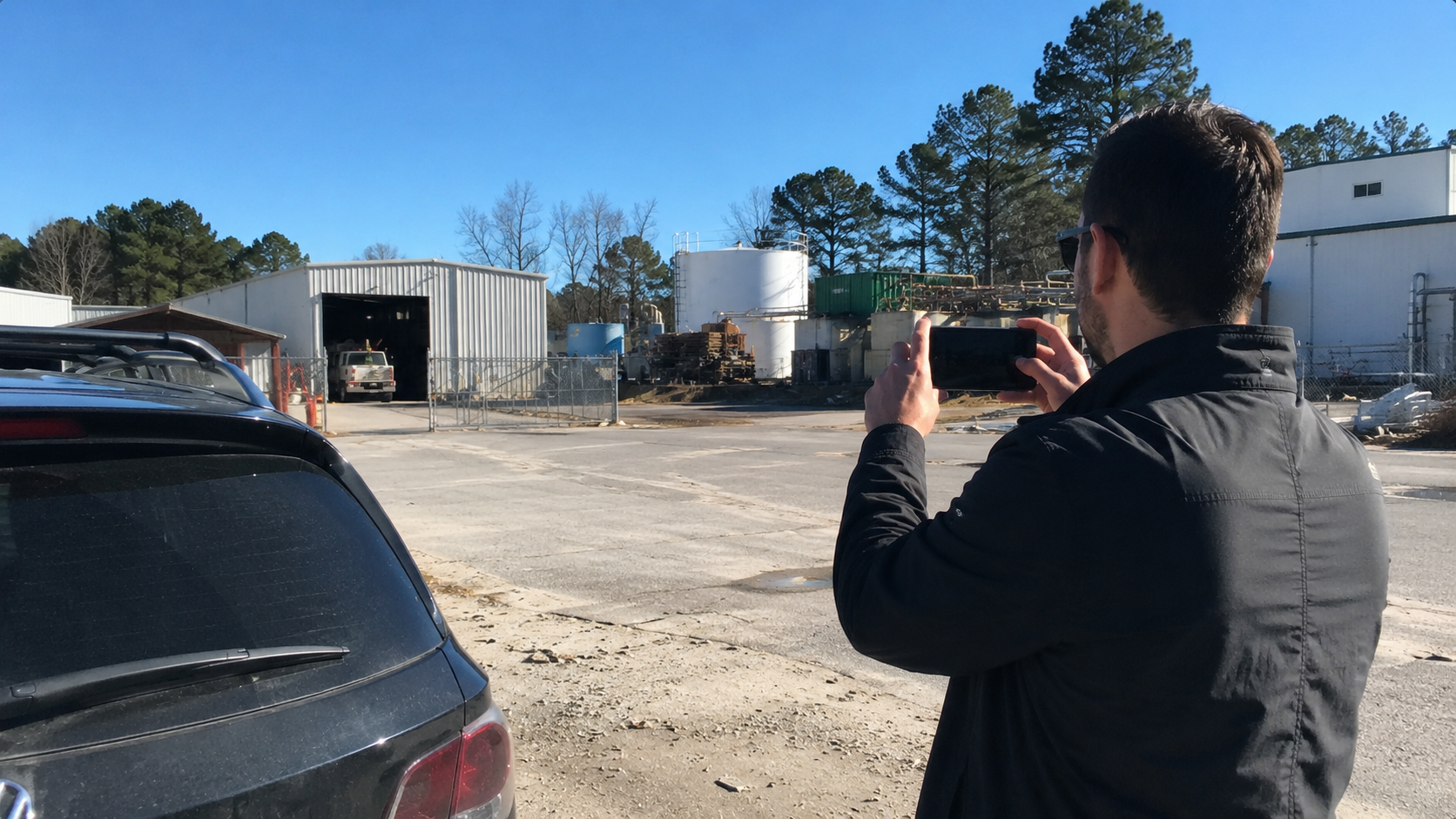
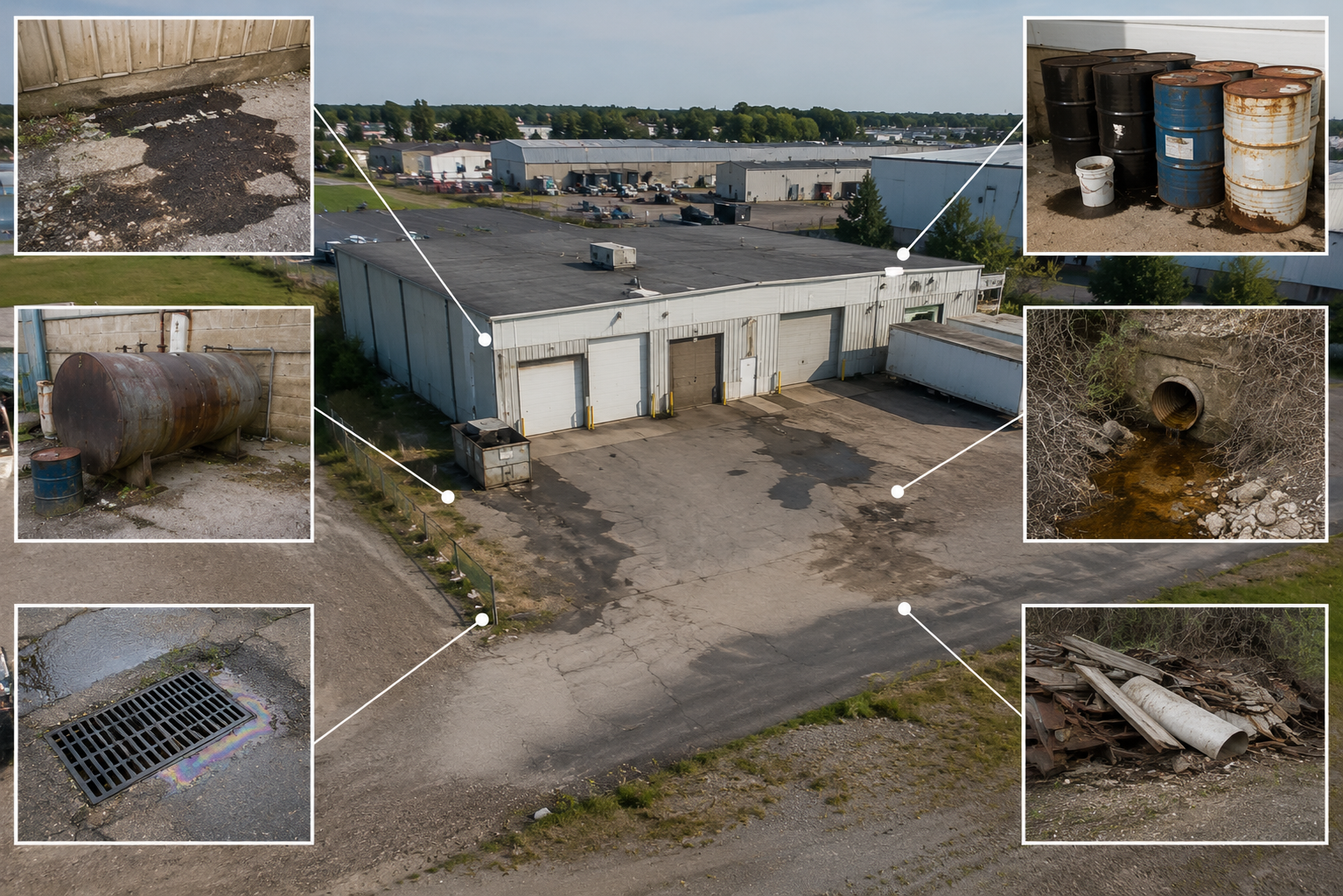
CRB conducts a site visit to evaluate current property conditions, visible risk indicators, adjoining properties, evidence of hazardous substances or petroleum use, storage areas, staining, odors, drains, tanks, distressed vegetation, and other potential environmental concerns.
-
Where appropriate, CRB conducts interviews and reviews ownership, operational, tenant, and historical property information to better understand past uses and potential environmental risk conditions.
-
CRB environmental professionals evaluate findings to determine whether Recognized Environmental Conditions, Controlled Recognized Environmental Conditions, Historical Recognized Environmental Conditions, de minimis conditions, or significant data gaps are present.
-
CRB prepares a clear, defensible Phase I ESA report designed to support South Carolina commercial real estate acquisitions, lender review, legal evaluation, redevelopment planning, and environmental risk management. When additional investigation may be warranted, CRB explains the findings and next steps in practical terms.
When South Carolina Phase I Findings Require Additional Evaluation
A Phase I ESA may identify environmental concerns that need to be understood before a South Carolina transaction, redevelopment project, or lending decision moves forward. This is especially important for properties with former industrial operations, manufacturing or textile history, petroleum storage, dry-cleaning use, automotive activity, fill material, or prior regulatory records.
Not every finding automatically requires a Phase II ESA. In some cases, the appropriate next step may be additional file review, evaluation of SCDES or former DHEC records, review of tank closure documentation, clarification of historical site operations, or discussion with the lender about risk tolerance and underwriting requirements.
When uncertainty remains, targeted investigation may be needed to evaluate whether contamination is present. That may include Phase II ESA sampling, soil and groundwater investigation, vapor or soil gas evaluation, remediation planning, regulatory coordination, or corrective action strategy.
CRB helps South Carolina clients move from Phase I findings to practical next steps. The goal is to determine whether the concern affects acquisition risk, financing, redevelopment feasibility, negotiation strategy, or long-term property use — before the issue becomes a closing problem or project delay.
Phase I ESA Coverage Across South Carolina
CRB provides Phase I ESA services for commercial, industrial, redevelopment, and lender due diligence projects throughout South Carolina, with regional support from CRB’s Greenville office. The team supports Phase I ESA and environmental due diligence needs across South Carolina and select regional markets in North Carolina and Georgia, depending on project scope and client needs.
Core South Carolina service areas include:
Greenville
Greenville County
Spartanburg
Anderson
Greer
Mauldin
Simpsonville
Easley
Columbia
Rock Hill
Charleston
Statewide South Carolina commercial real estate and redevelopment markets
Why South Carolina Real Estate and Redevelopment Teams Work With CRB
If you are acquiring, refinancing, financing, or redeveloping commercial property in South Carolina, CRB can help evaluate environmental risk before it becomes a transaction or project problem.
To provide an accurate Phase I ESA proposal, CRB typically needs:
Property address
Property type
Site size or parcel information
Transaction or lender deadline
Lender requirements, if applicable
Prior environmental reports, if available
Known concerns or redevelopment plans
Request a Phase I ESA Proposal
in South Carolina
South Carolina Phase I ESA Frequently Asked Questions
-
A Phase I Environmental Site Assessment in South Carolina is an environmental due diligence investigation used to evaluate potential environmental liabilities associated with a commercial property. A Phase I ESA typically includes site reconnaissance, historical research, regulatory records review, environmental database review, interviews where appropriate, and a written report prepared in general accordance with ASTM E1527-21.
-
A Phase I ESA is commonly requested during South Carolina commercial real estate acquisitions, refinancing, redevelopment projects, industrial property transactions, property transfers, lender environmental reviews, and investment due diligence. It is especially important when a property has current or historical industrial, textile, manufacturing, petroleum, dry-cleaning, automotive, agricultural, warehouse, or brownfield-related uses.
-
No. A Phase I ESA is a non-intrusive assessment and does not include soil sampling, groundwater testing, vapor testing, or laboratory analysis. If the Phase I ESA identifies Recognized Environmental Conditions, significant data gaps, or unresolved environmental uncertainty, a Phase II Environmental Site Assessment may be recommended to evaluate whether contamination is present.
-
South Carolina properties that may require careful environmental due diligence include former textile mills, manufacturing facilities, industrial properties, gas stations, dry cleaners, automotive repair sites, warehouses, properties with underground storage tanks, former agricultural properties, brownfield sites, and properties near regulated facilities. SCDES identifies former textile mills, former service stations, former landfills, dry cleaners, and industrial facilities as common brownfield site types.
-
Former textile mills and manufacturing sites matter because prior operations may have involved petroleum products, solvents, chemical storage, waste handling, underground tanks, fill material, or other environmental conditions that are not obvious during a property tour. During a Phase I ESA, CRB reviews historical use, regulatory records, surrounding property conditions, and visible site indicators to determine whether these conditions may create Recognized Environmental Conditions or require additional evaluation.
-
During a South Carolina Phase I ESA, CRB may review environmental database listings, SCDES records, historical DHEC records, petroleum tank information, dry-cleaning records, brownfield or voluntary cleanup files, prior environmental reports, and other available regulatory or historical sources. Because South Carolina’s environmental functions moved from DHEC to SCDES in 2024, older property records may still reference DHEC while current environmental records and programs are generally associated with SCDES.
-
Brownfield or voluntary cleanup records can affect a South Carolina property transaction by identifying prior contamination concerns, cleanup activity, institutional controls, unresolved environmental conditions, or documentation that may need to be reviewed by buyers, lenders, attorneys, or developers. SCDES states that South Carolina’s Voluntary Cleanup Program provides a pathway for environmental assessment, remediation, and liability protection for eligible non-responsible parties.
-
Yes. CRB supports Phase I ESA and environmental due diligence projects in South Carolina through its South Carolina presence, including the Greenville / Travelers Rest office. CRB’s website identifies South Carolina office information and its broader national Phase I ESA capabilities, including support for commercial real estate, lender, developer, attorney, investor, property owner, broker, and municipality clients.