
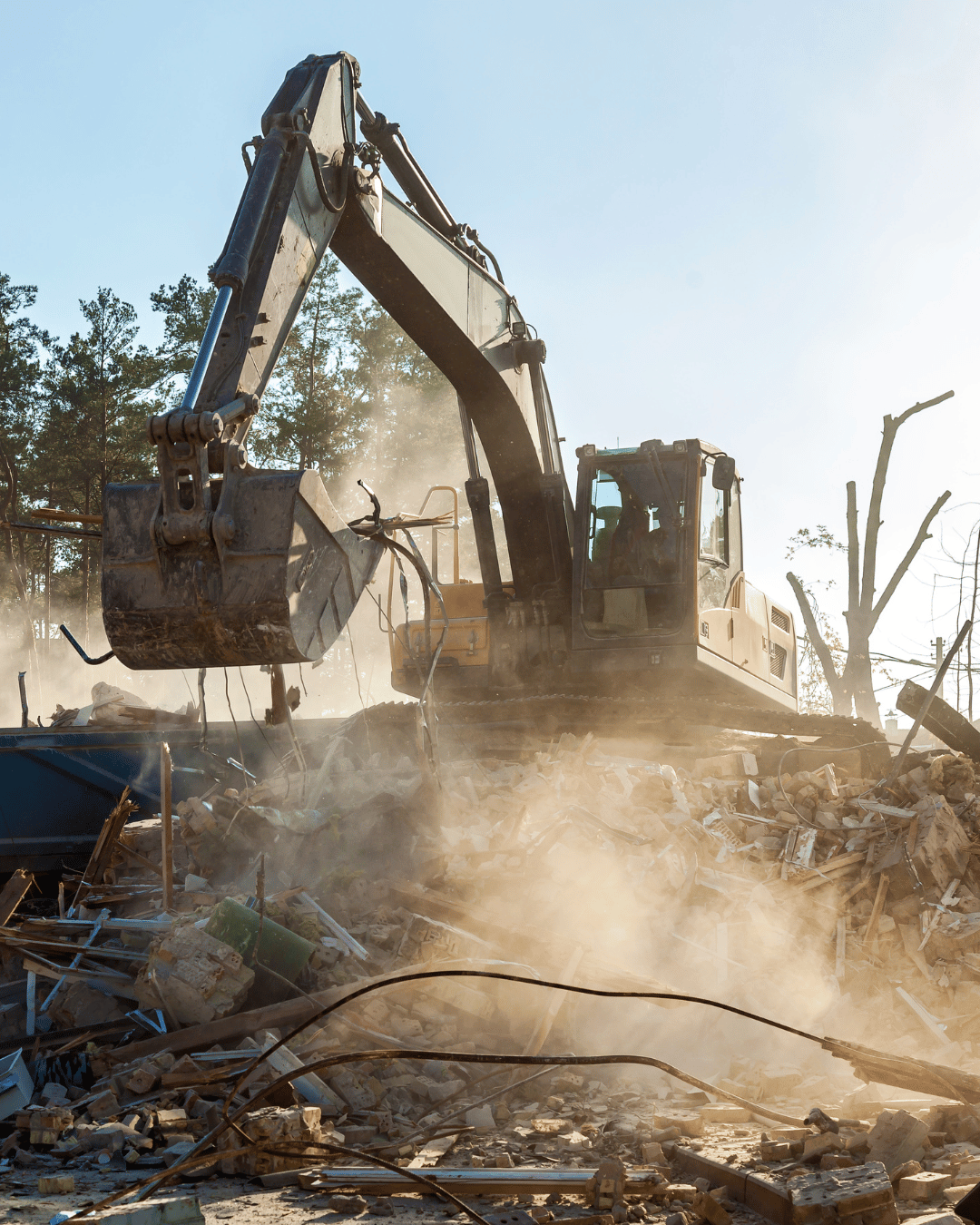
Brownfield Redevelopment and Environmental Cleanup
We help transform environmentally challenged properties into viable redevelopment opportunities with clear strategy, regulatory alignment, and defensible environmental guidance.
Challenging Sites Don’t Have to Kill a Deal
Contamination, historical site use, and regulatory uncertainty can quickly stall a project or put financing at risk. But most brownfield sites are not dead ends. They require the right level of investigation, a clear understanding of risk, and a strategy that aligns with redevelopment goals.
Brownfield properties are abandoned, idled, or underutilized commercial or industrial sites where redevelopment or reuse may be complicated by known or potential environmental contamination. Across Greenville and the Upstate, many former industrial, commercial, and manufacturing properties present strong redevelopment potential but require careful environmental evaluation and strategy before acquisition or construction. South Carolina’s Brownfield and Voluntary Cleanup programs were created to encourage redevelopment of these sites while protecting human health and the environment.
When approached correctly, Brownfield redevelopment can:
• Reduce liability exposure
• Unlock financing and incentives
• Return underutilized sites to productive use
• Support economic growth and job creation
However, without the right environmental guidance, these projects can face delays, unexpected costs, or regulatory complications. CRB helps developers, lenders, and property owners evaluate environmental conditions early and determine a path forward that keeps projects moving.
Brownfield Redevelopment in South Carolina
South Carolina’s Voluntary Cleanup and Brownfield programs allow a non-responsible party to acquire and redevelop environmentally impacted property while limiting liability for existing contamination when the site is properly investigated and managed under an approved plan. Once environmental work is completed in accordance with an established voluntary cleanup agreement, participants can obtain liability protection tied to prior site conditions. This framework allows properties with environmental history to be repositioned and returned to productive use when managed strategically.
These programs were designed to support redevelopment of underutilized industrial and commercial sites while encouraging responsible environmental management and economic growth. Navigating the Brownfield process requires technical evaluation, regulatory coordination, and clear redevelopment planning. CRB works closely with clients, attorneys, and regulatory agencies to guide projects through each phase and help move redevelopment forward with confidence.
Smart Brownfield Strategy
No two sites are the same. The right approach depends on site conditions, redevelopment plans, and regulatory requirements. CRB focuses on practical, implementable solutions that support your project—not over-engineered reports that slow it down.
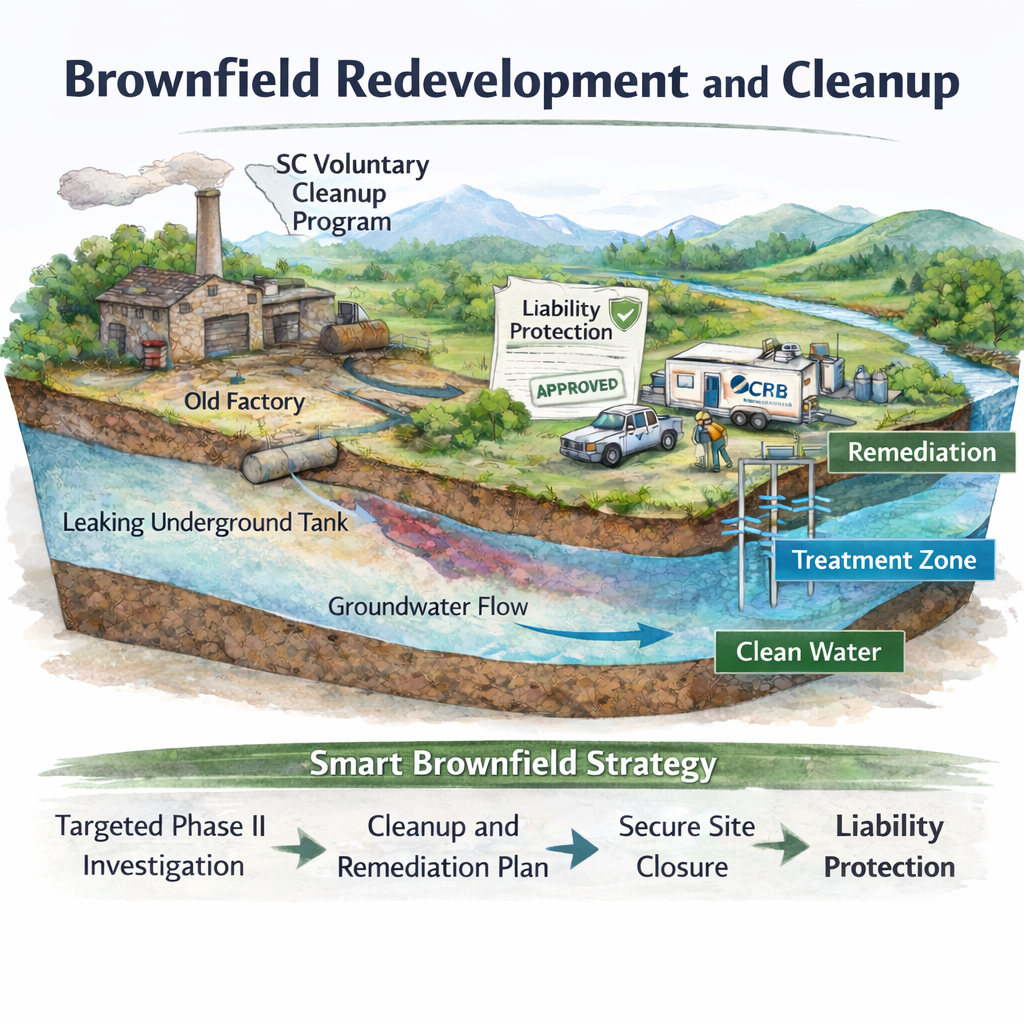
Phase I Environmental Site Assessments
Targeted Phase II Investigations to Define Real Risk
Cleanup Strategies Aligned with Intended Site Use
Cost-Aware Remediation Planning
Regulatory Coordination to Keep Approvals Moving
Clear Documentation to Support Financing and Liability Protection
Why Lenders, Developers, and Attorneys Work with CRB
Brownfield redevelopment is a multidisciplinary process involving regulatory agencies, environmental consultants, attorneys, engineers, and project teams. Successful projects require coordination and senior-level expertise.
Experienced, senior-led environmental oversight can significantly improve credibility with regulators and stakeholders while increasing efficiency during investigation and remediation phases.
Clear, Practical Guidance
We translate environmental conditions into real-world implications for cost, timing, and next steps.

Senior-Level Oversight
We translate environmental conditions into real-world implications for cost, timing, and next steps.
Deal and Timeline Priority
We structure environmental work to align with acquisitions, financing, and construction schedules.
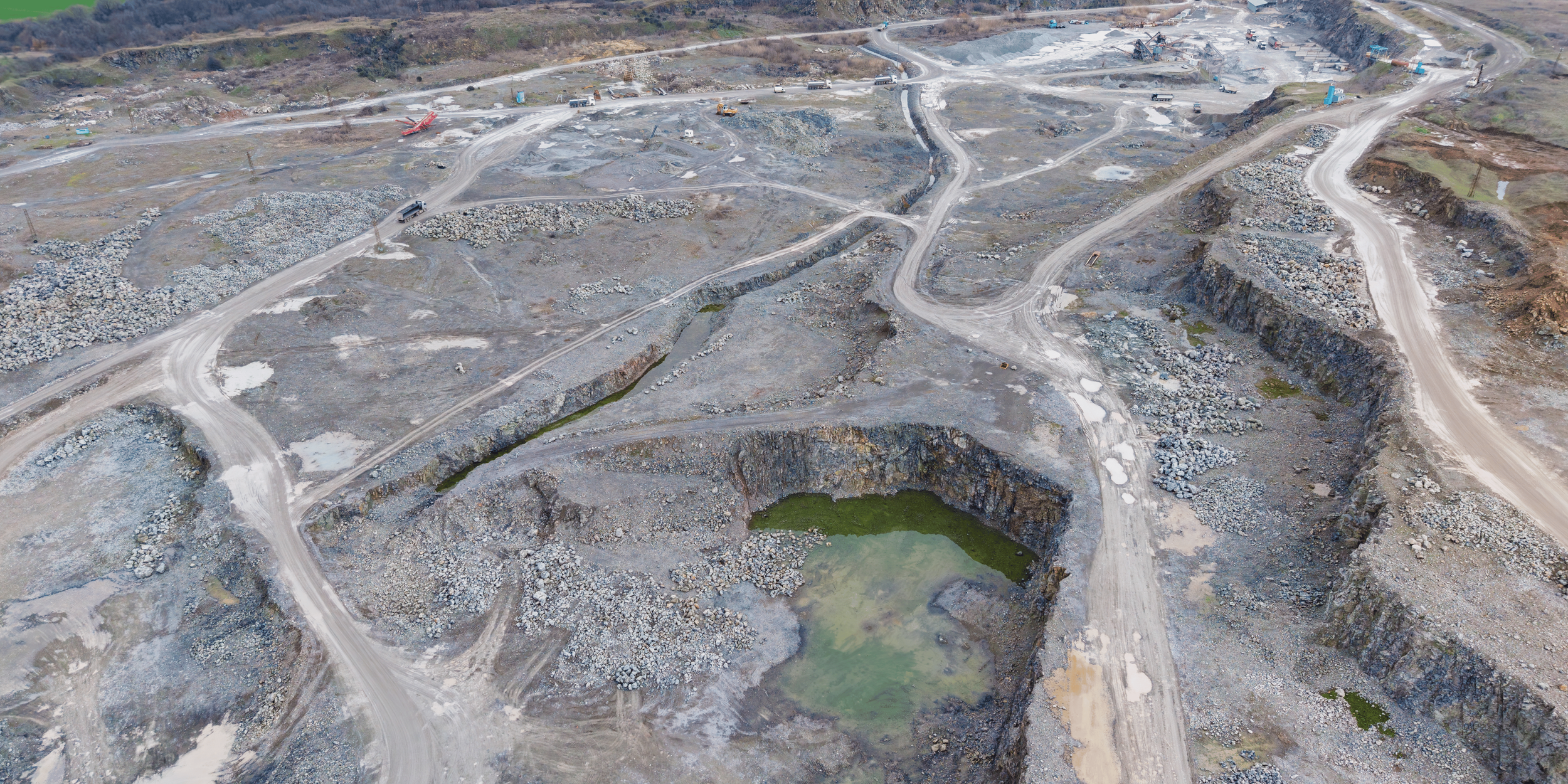
If you're evaluating a property or working through environmental challenges on an active project, we can help you define the next steps quickly and clearly.
Start With a Clear Understanding of Your Site
FAQs
What qualifies as a Brownfield property in South Carolina?
1
A Brownfield property is any real estate where redevelopment, reuse, or financing may be complicated by the presence or potential presence of environmental contamination. These properties often include former industrial sites, gas stations, dry cleaners, manufacturing facilities, or older commercial properties with historical environmental use.
In South Carolina, many Brownfield sites can be successfully redeveloped through the state’s Voluntary Cleanup or Brownfield programs when environmental conditions are properly evaluated and managed. Early environmental due diligence helps determine eligibility, risk level, and the most efficient path forward for redevelopment.
The Brownfields and Voluntary Cleanup process typically begins with environmental due diligence, including a Phase I Environmental Site Assessment and, if necessary, subsurface investigation. If environmental impacts are identified, a structured investigation and cleanup strategy is developed in coordination with state regulators.
Once the agreed-upon work is completed under an approved plan, participants may obtain liability protection tied to prior site conditions. This allows developers and property owners to move forward with redevelopment while managing environmental risk in a clear and structured way.
Because each property is different, working with an experienced environmental consultant early helps prevent delays and ensures the redevelopment strategy aligns with regulatory expectations.
How does the Brownfields or Voluntary Cleanup process work in South Carolina?
2
A Brownfield consultant should be involved as early as possible — ideally before acquisition or during initial redevelopment planning. Early environmental review helps identify potential contamination risks, determine eligibility for voluntary cleanup pathways, and avoid unexpected delays tied to permitting, financing, or construction.
Developers, attorneys, and lenders often engage environmental consultants during due diligence so they can fully understand site conditions, liability considerations, and realistic timelines before moving forward with a project.
Bringing an environmental team in early allows projects to be structured correctly from the start rather than reacting to issues later.
When should a developer or property owner involve a Brownfield consultant?
3
Can a Brownfield property still be financed or redeveloped?
4
Yes. Many Brownfield properties can be successfully financed and redeveloped when environmental conditions are properly assessed and managed. In fact, Brownfield programs are designed to encourage redevelopment of underutilized commercial and industrial sites by providing a structured path to evaluate and address environmental concerns.
With the right environmental strategy, documentation, and regulatory coordination, these properties can often be repositioned for commercial, mixed-use, or industrial redevelopment. Environmental due diligence and clear remediation planning help lenders, investors, and project teams move forward with greater confidence.