
Understand Environmental Risk Before It Affects the Deal or Project
Environmental conditions can influence financing, liability, redevelopment plans, project costs, and transaction timelines. CRB helps commercial real estate teams identify environmental risk, understand what the findings mean, and determine the appropriate next step.
Need a Phase I ESA? Send us the property address and transaction timeline to get started.
ENVIRONMENTAL DUE DILIGENCE
Where Are You in the Property Decision?
Environmental needs change as a transaction or development project progresses. Start with the situation you're facing now.
Acquiring or Financing a Property
Identify potential environmental concerns that could affect the transaction, financing, liability, or future property use.
Phase I Environmental Site Assessment →
A Potential Environmental Concern Was Identified
Investigate specific environmental concerns to determine whether contamination is present and better understand its potential significance.
Phase II Environmental Site Assessment →
Planning Development or Redevelopment
Evaluate potential environmental conditions that could affect excavation, construction, soil management, groundwater, or redevelopment planning.
Explore Phase II & Environmental Investigation →
Environmental Conditions Are Confirmed
Define the condition, evaluate corrective options, and establish a practical path toward remediation and regulatory resolution.
BEYOND THE REPORT
A Phase I ESA is a Report.
The Decision Behind it is Bigger.
Environmental due diligence is most valuable when the findings are understood in the context of the property decision.
A recognized environmental condition may raise questions about additional investigation, financing, potential liability, redevelopment, or future property use. Identifying the condition is only part of the job.
The next question is:
What does this mean for the property and the decision in front of you?
CRB combines environmental expertise with an understanding of commercial real estate transactions to help clients interpret environmental findings and determine practical next steps.
Environmental Consulting Built for Miami
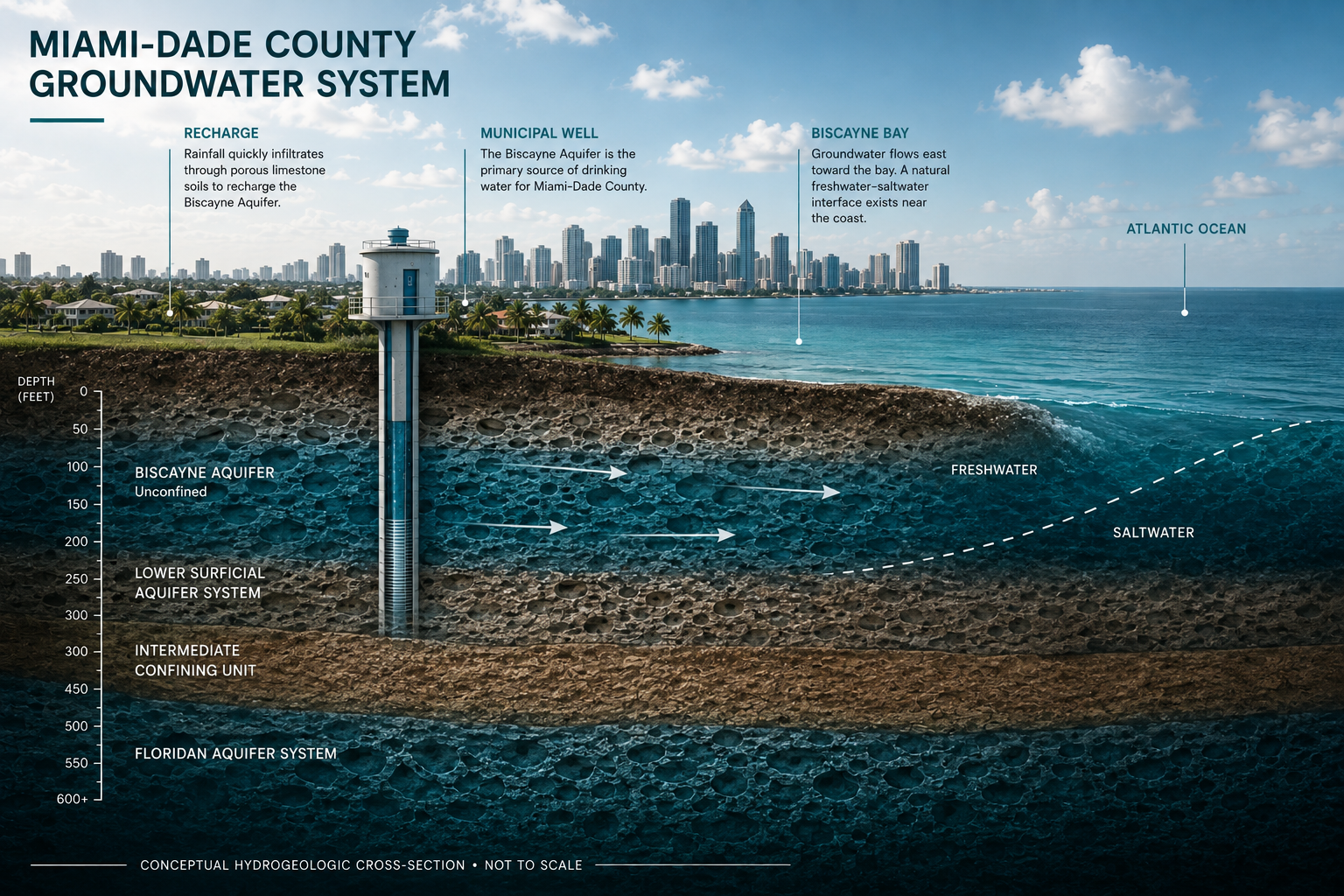
Environmental conditions in Miami are shaped by South Florida's geology, shallow groundwater, dense development, historical land uses, and proximity between commercial, industrial, and residential properties.
These conditions can influence environmental due diligence, contaminant migration, groundwater investigations, remediation strategies, construction activities, and redevelopment decisions.
CRB was founded in Miami in 1992. More than three decades of environmental and geological consulting in South Florida gives our team practical experience evaluating environmental conditions in the region where we started.
Miami-based expertise. Nationwide environmental capabilities.
Navigating Miami-Dade Environmental Requirements
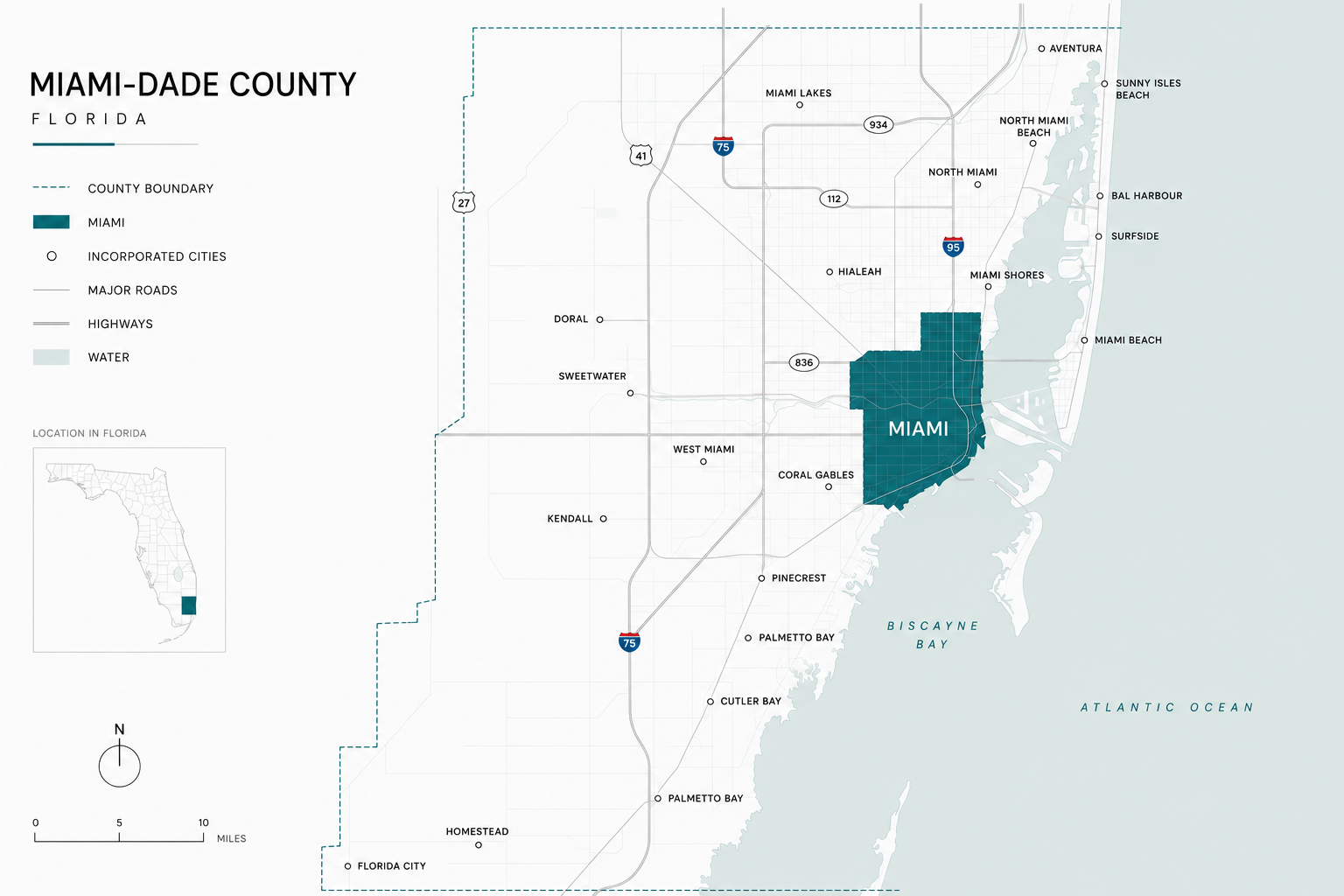
Environmental projects in Miami may involve local, state, and federal environmental requirements, depending on the property, regulated activity, environmental condition, and scope of work.
CRB helps clients navigate requirements involving Miami-Dade County environmental regulatory programs, the Florida Department of Environmental Protection (FDEP), the U.S. Environmental Protection Agency (EPA), and other applicable authorities by identifying regulatory considerations early and helping manage the technical work, documentation, reporting, and agency coordination required for the project.
The right regulatory path depends on the site, the condition, and the applicable program. CRB helps clients understand what applies and what comes next.
THE CRB DIFFERENCE
Environmental Due Diligence Requires More Than Checking a Box
Same-Day Proposals.
Don’t wait days just to get a proposal. Send us the property address and project details, and CRB will provide a proposal the same business day.
Direct Access. Fewer Handoffs.
Clients work with a primary point of contact and an environmental team that understands the project, rather than repeatedly starting over as the scope changes.
Miami Roots. Nationwide Capabilities.
CRB combines decades of South Florida experience with environmental consulting capabilities that support clients and properties across the United States.
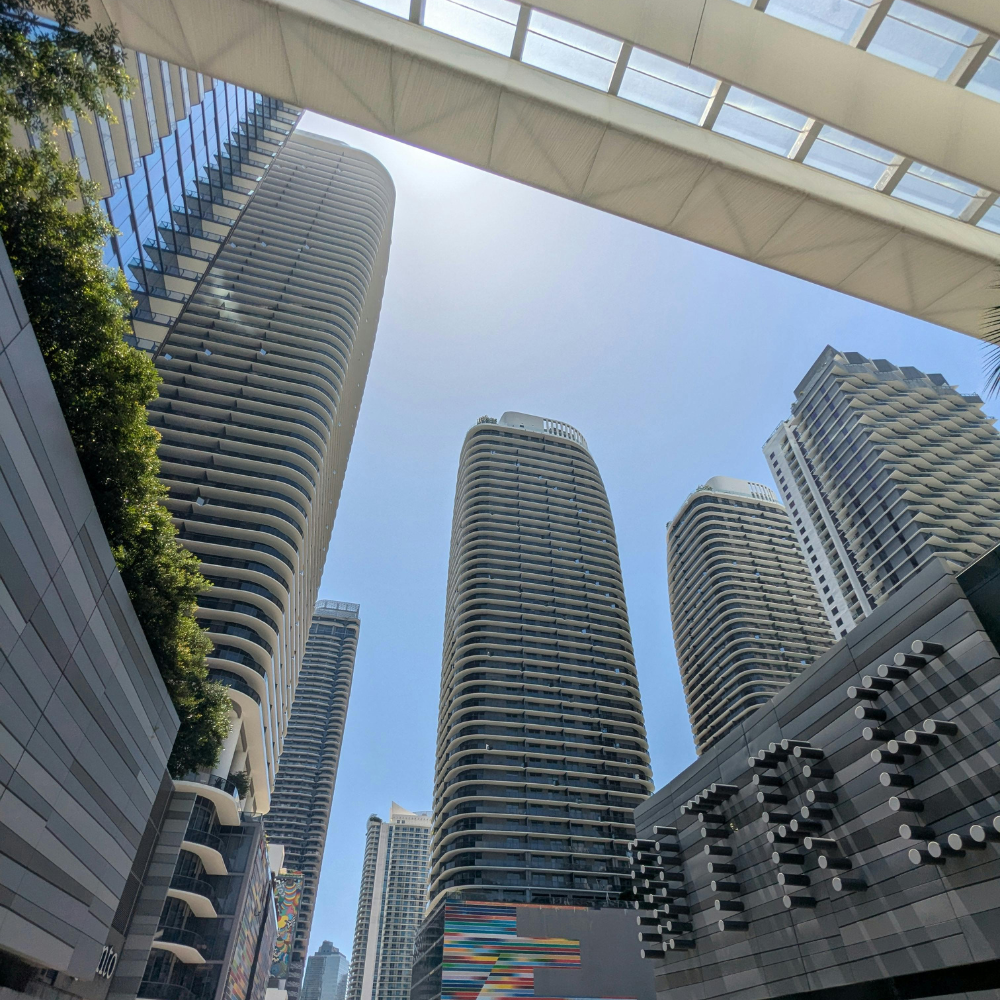
Environmental Consulting for Commercial Properties, Facilities & Industrial Sites
Different properties create different environmental risks, regulatory requirements, and project objectives. CRB provides environmental consulting for clients responsible for acquiring, financing, developing, operating, managing, or resolving environmental conditions at commercial and industrial properties.
Commercial Real Estate & Development
Environmental due diligence, site investigation, remediation, and environmental support for acquisitions, financing, redevelopment, and development projects.
Hospitality & Institutional Properties
Environmental consulting for hotels, schools, healthcare, government, and institutional facilities involving property transactions, renovation, building environmental concerns, and regulatory requirements.
Retail & Shopping Centers
Environmental due diligence and consulting for retail properties where historical or current uses, tenants, storage systems, or neighboring properties may create environmental concerns.
Office & Corporate Properties
Environmental due diligence, indoor air quality, asbestos and mold consulting, and environmental support for acquisitions, renovations, and ongoing property management.
Industrial & Manufacturing Facilities
Environmental compliance, contamination assessment, groundwater investigation, remediation, monitoring, and regulatory support for active and former industrial operations.
Environmental conditions can affect property transactions, financing, redevelopment, facility operations, regulatory compliance, and long-term liability. When potential concerns are identified early, there is more opportunity to understand the condition, evaluate the appropriate response, and account for environmental requirements before they disrupt the project.
CRB helps clients move from identifying environmental risk to understanding what comes next. With capabilities spanning environmental due diligence, investigation, remediation, regulatory compliance, and groundwater consulting, our team can stay involved as environmental conditions become more complex.
What’s at Stake When Environmental Risk Isn’t Addressed Early
Frequently Asked Questions About Environmental Consulting in Florida
-
Environmental consulting may be needed when buying, selling, financing, refinancing, developing, or redeveloping property; investigating suspected contamination; responding to a release or regulatory issue; evaluating indoor environmental concerns; or managing ongoing environmental compliance. The appropriate scope depends on the property, environmental condition, and project objective.
-
Environmental concerns can vary considerably by property. Potential issues may include historical petroleum use, underground or aboveground storage tanks, dry-cleaning operations, automotive or industrial uses, contaminated soil or groundwater, vapor concerns, asbestos-containing materials, mold and moisture conditions, and impacts associated with current, historical, or neighboring property uses.
-
Depending on the environmental issue and applicable regulatory program, a project may involve Miami-Dade County, the Florida Department of Environmental Protection (FDEP), the U.S. Environmental Protection Agency (EPA), or other authorities with jurisdiction. The applicable requirements depend on the property, activity, contaminant, and nature of the environmental matter.
-
Yes. CRB provides Phase I Environmental Site Assessments, Phase II Environmental Site Assessments, contamination assessment, environmental remediation, corrective action, regulatory coordination, and support toward regulatory closure when applicable. Keeping these services with one environmental team can preserve project knowledge and technical continuity as the scope progresses.
-
For qualifying projects, CRB offers same-business-day proposals. Send our team the property address, requested service, project timeline, and any available environmental information so we can evaluate the scope and prepare the appropriate proposal.