
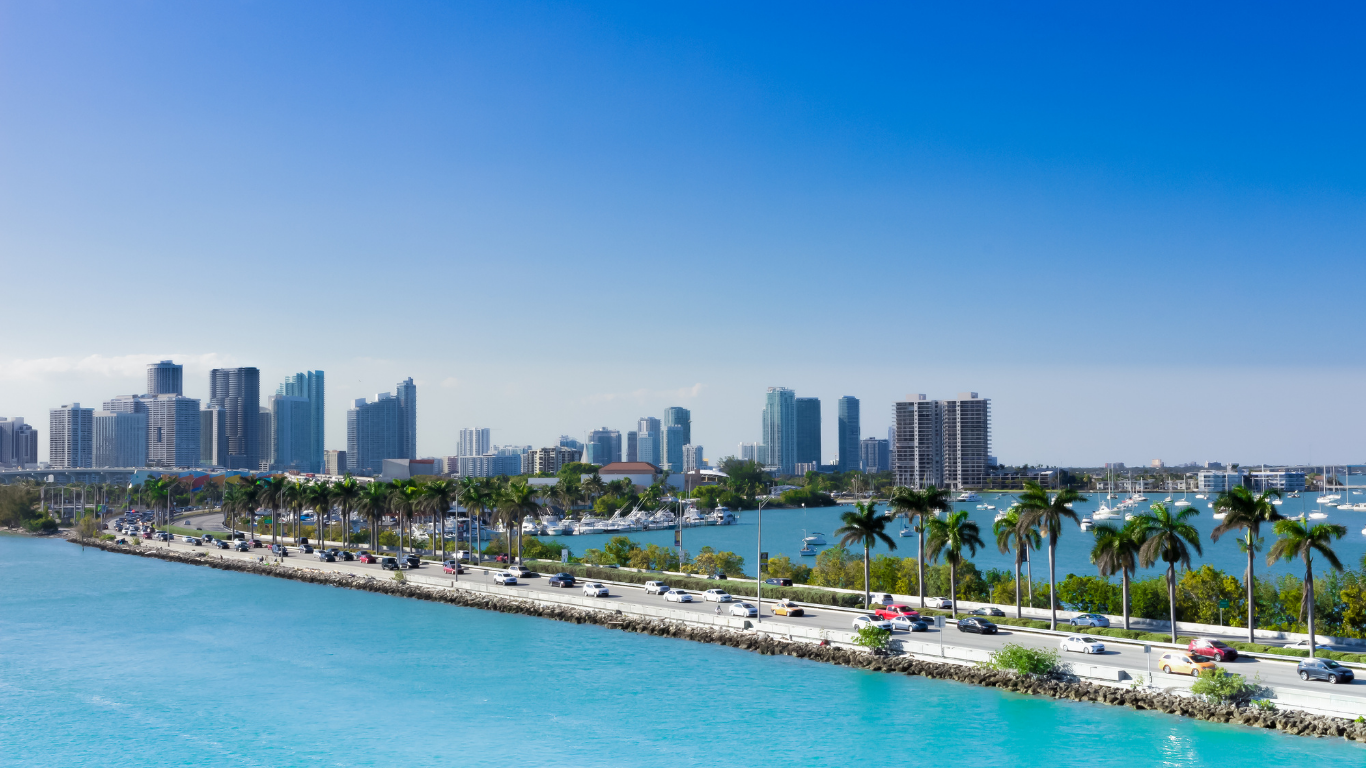
Environmental Consulting for Miami Commercial Real Estate & Development
Environmental due diligence, site investigation and remediation for Miami property acquisitions, financing and development. Explore the environmental considerations that matter to your project and connect with CRB's Miami team.
Where Are You in the Property Decision?
Environmental questions arise at different stages of a commercial real estate project. Start with the situation that best describes yours.
START WITH YOUR PROPERTY DECISION
Buying, Selling or Financing a Property
Understand environmental conditions before they affect due diligence, lender requirements or closing.
Phase I Environmental Site Assessment →
A Potential Environmental Concern Has Been Identified
Determine whether additional investigation is appropriate and what information is needed to evaluate the condition.
Planning Development or Redevelopment
Evaluate historical property uses, potential environmental conditions and project-specific considerations before work advances.
Explore Phase II & Environmental Investigation →
Managing a Known Environmental Condition
Understand the extent of a confirmed issue and evaluate remediation, corrective action or regulatory coordination.
Six Environmental Questions to Ask Before Moving Forward With a Miami Property
Environmental due diligence starts before a report is ordered. Asking the right questions early can help buyers, lenders and development teams identify information that may affect a transaction or project plan.
BEFORE ACQUISITION OR REDEVELOPMENT
-
Former service stations, dry cleaners, automotive operations and industrial uses may warrant closer environmental review.
-
Previous Phase I or Phase II reports can provide useful context, although their age, scope and findings still need evaluation.
-
Historical neighboring uses and documented releases may be relevant, particularly where groundwater migration is a consideration.
-
Confirm the required assessment standard, report timing and any lender-specific scope or reliance requirements.
-
Excavation, groundwater management, redevelopment plans and intended property use may influence the investigation needed.
-
Allow time to evaluate records and findings, and address any additional investigation that may be warranted.
MIAMI COMMERCIAL PROPERTY CHECKLIST:
Why this matters: Environmental conditions do not necessarily prevent a transaction or development. The objective is to identify relevant concerns early enough to understand their significance and determine an appropriate next step.
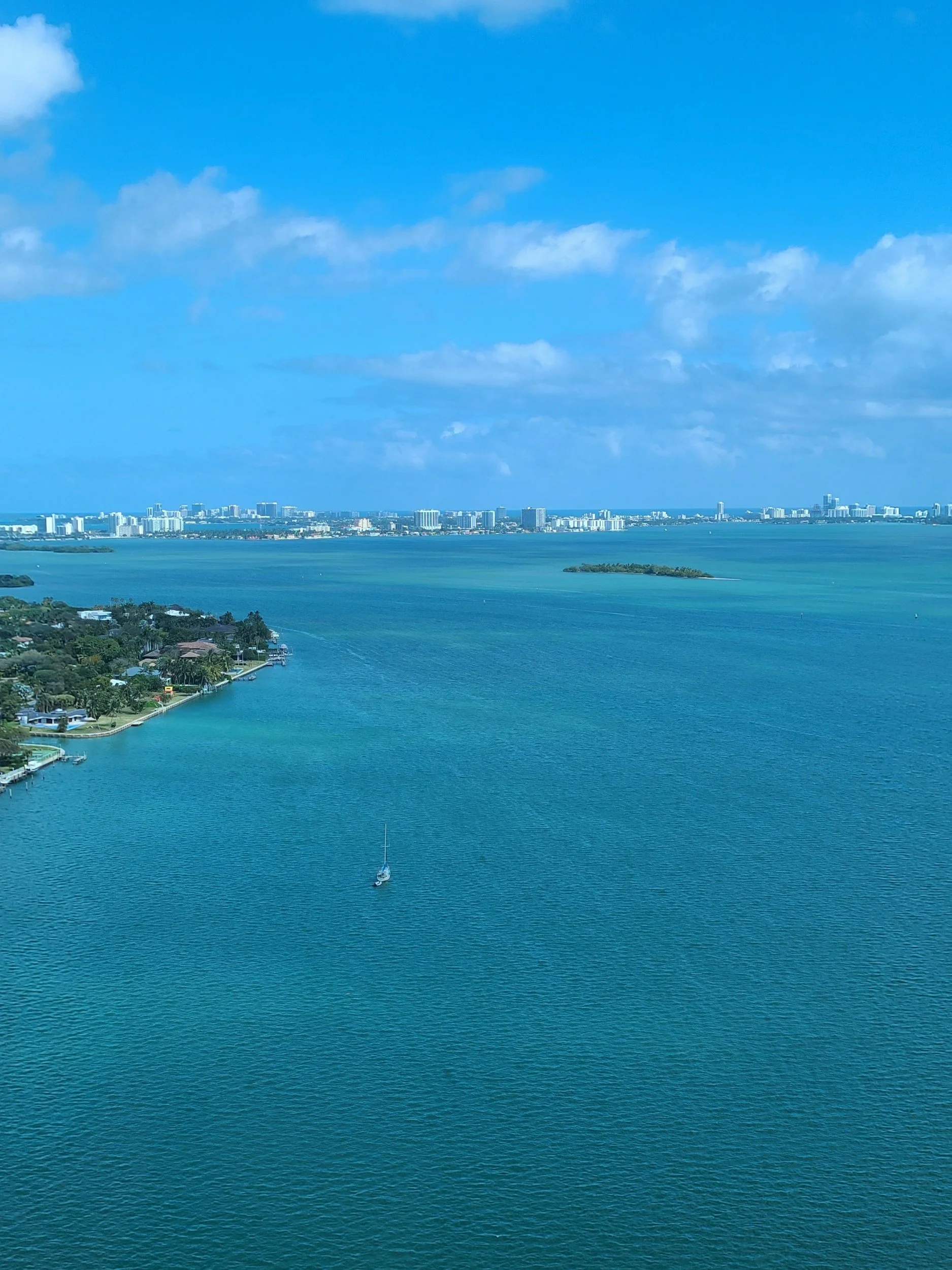
Why Miami's Groundwater and Property History Matter to Development
Miami's environmental conditions require more than a generic understanding of commercial property.
Shallow groundwater in many parts of South Florida, permeable limestone and a long history of commercial and industrial activity can influence how environmental concerns are evaluated. The significance of those conditions depends on the property's location, history and intended use.
MIAMI-SPECIFIC ENVIRONMENTAL CONSIDERATIONS
Shallow Groundwater & Subsurface Conditions
Groundwater depth, local geology and subsurface conditions can influence environmental investigation, excavation planning and how potential contamination is evaluated.
Historical Commercial & Industrial Uses
Former petroleum storage, automotive operations, dry cleaning, manufacturing and other historical activities may leave environmental questions that are not visible today.
Urban Redevelopment & Property Reuse
As older Miami properties transition to new uses, environmental due diligence can help identify whether past activities require additional evaluation before redevelopment.
What about the Biscayne Aquifer?
The Biscayne Aquifer is an important groundwater resource in South Florida. However, the presence of shallow groundwater or proximity to the aquifer does not establish that a particular property is contaminated. Site history, available records and appropriate investigation determine whether an environmental concern exists.
LOCAL ENVIRONMENTAL REQUIREMENTS
Environmental Reviews and Regulatory Requirements in Miami-Dade County
Environmental conditions can affect more than the acquisition of a property. Depending on the site and proposed work, development and redevelopment projects may involve environmental records, contaminated-site reviews, permitting considerations or regulatory coordination.
CRB helps clients evaluate requirements involving the Miami-Dade Department of Environmental Resources Management (DERM), the Florida Department of Environmental Protection (FDEP) and other applicable agencies.
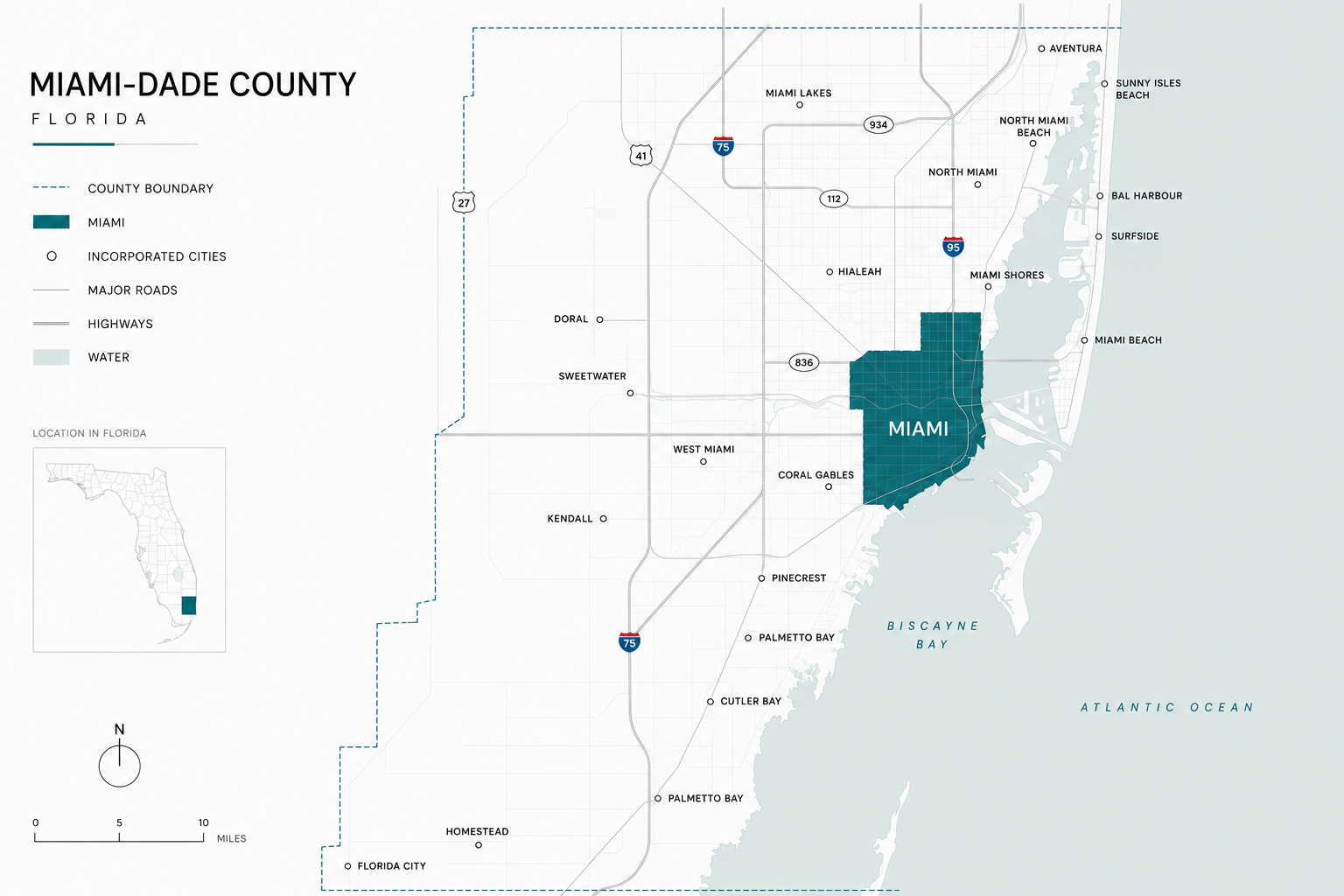
Miami-Dade DERM
County environmental requirements and contaminated-site review processes may become relevant depending on a property's environmental history and proposed development activities.
Florida Department of Environmental Protection
FDEP administers statewide environmental programs involving petroleum contamination, site cleanup and other regulated environmental conditions.
Environmental Records & Prior Investigations
Historical reports, documented releases, agency files and cleanup records can provide important information about environmental conditions affecting a property.
Investigation & Regulatory Coordination
Where environmental conditions require further action, CRB can assist with property-specific investigation, remediation planning and coordination with applicable regulatory agencies.
The objective is to identify environmental requirements early enough to account for them in the transaction or development plan.
ENVIRONMENTAL DUE DILIGENCE FOR REAL ESTATE DECISIONS
A Phase I ESA Is a Report. The Decision Behind It Is Bigger.
A Phase I Environmental Site Assessment evaluates potential environmental concerns associated with a property. But for the buyer, lender or developer, the real question is what those findings mean for the transaction.
A properly scoped Phase I ESA can help identify recognized environmental conditions, document relevant property history and inform whether further evaluation is warranted.
What the findings help you decide
Whether a potential environmental concern has been identified.
Whether additional information or investigation is appropriate.
Whether environmental findings may affect financing, acquisition or redevelopment planning.
What environmental questions should be resolved before the next project milestone.
CRB performs Phase I Environmental Site Assessments using the applicable ASTM E1527-21 standard, with experienced environmental professionals involved in evaluating the findings and communicating the next steps.
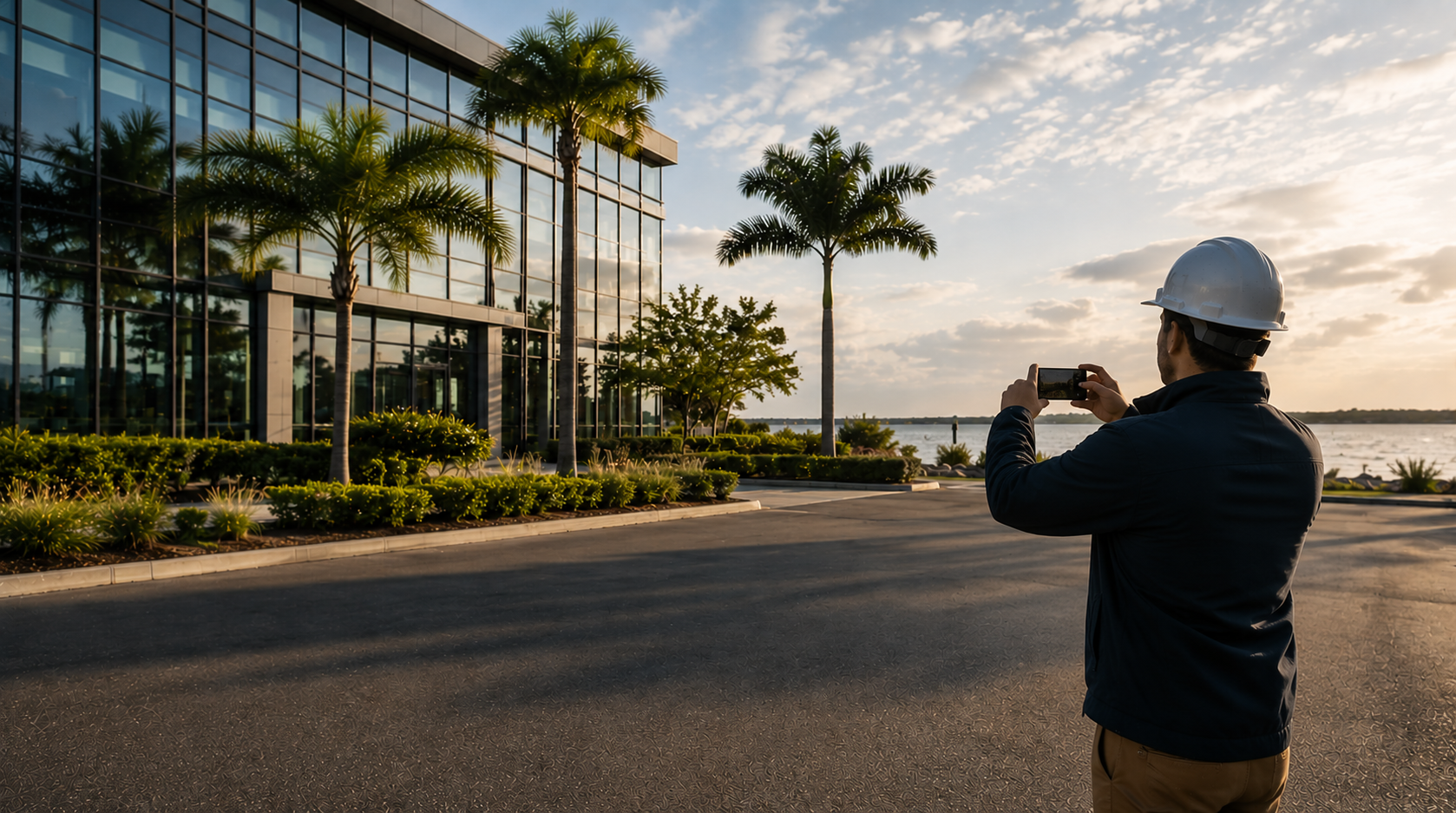
When Environmental Due Diligence Leads to Further Investigation
Not every Phase I finding requires a Phase II ESA, and not every confirmed environmental condition requires remediation.
When additional work is appropriate, the scope should respond to the property's specific conditions and the information needed for the next decision.
CRB's advantage is continuity. When a property requires work beyond the initial assessment, clients can continue with an environmental team already familiar with the property's history, findings and project objectives.
FROM ASSESSMENT TO RESOLUTION
-
Evaluate property history, environmental records and site conditions to identify recognized environmental conditions.
-
Collect property-specific environmental data when further investigation is warranted through targeted sampling.
-
Define the nature and extent of confirmed environmental impacts when necessary.
-
Evaluate and implement appropriate responses to confirmed environmental conditions.
-
Work toward applicable project objectives and regulatory outcomes.
Why Miami Real Estate Teams Work With CRB
THE CRB DIFFERENCE
Same-Day Proposals.
Don’t wait days just to get a proposal. Send us the property address and project details, and CRB will provide a proposal the same business day.
Direct Access. Fewer Handoffs.
Clients work with a primary point of contact and an environmental team that understands the project, rather than repeatedly starting over as the scope changes.
Miami Roots. Nationwide Capabilities.
CRB combines decades of South Florida experience with environmental consulting capabilities that support clients and properties across the United States.
Environmental Due Diligence Questions for Miami Buyers, Lenders & Developers
-
Environmental consulting may be needed when buying, selling, financing, refinancing, developing, or redeveloping property; investigating suspected contamination; responding to a release or regulatory issue; evaluating indoor environmental concerns; or managing ongoing environmental compliance. The appropriate scope depends on the property, environmental condition, and project objective.
-
Environmental concerns can vary considerably by property. Potential issues may include historical petroleum use, underground or aboveground storage tanks, dry-cleaning operations, automotive or industrial uses, contaminated soil or groundwater, vapor concerns, asbestos-containing materials, mold and moisture conditions, and impacts associated with current, historical, or neighboring property uses.
-
Yes. Depending on the location and proposed work, groundwater conditions may be relevant to environmental investigation, excavation, dewatering and redevelopment planning. Whether they present an environmental concern depends on property-specific information.
-
Depending on the environmental issue and applicable regulatory program, a project may involve Miami-Dade County, the Florida Department of Environmental Protection (FDEP), the U.S. Environmental Protection Agency (EPA), or other authorities with jurisdiction. The applicable requirements depend on the property, activity, contaminant, and nature of the environmental matter.
-
Yes. CRB provides environmental due diligence, site investigation, remediation and regulatory support. When additional work is warranted, this continuity can help preserve project knowledge and reduce unnecessary consultant handoffs.
-
For qualifying projects, CRB offers same-business-day proposals. Send our team the property address, requested service, project timeline, and any available environmental information so we can evaluate the scope and prepare the appropriate proposal.
HAVE A MIAMI PROPERTY UNDER REVIEW?
Discuss Your Miami Property With CRB
Send us the property location, what you're working on and your timeline. Our team can help determine the appropriate environmental next step.