
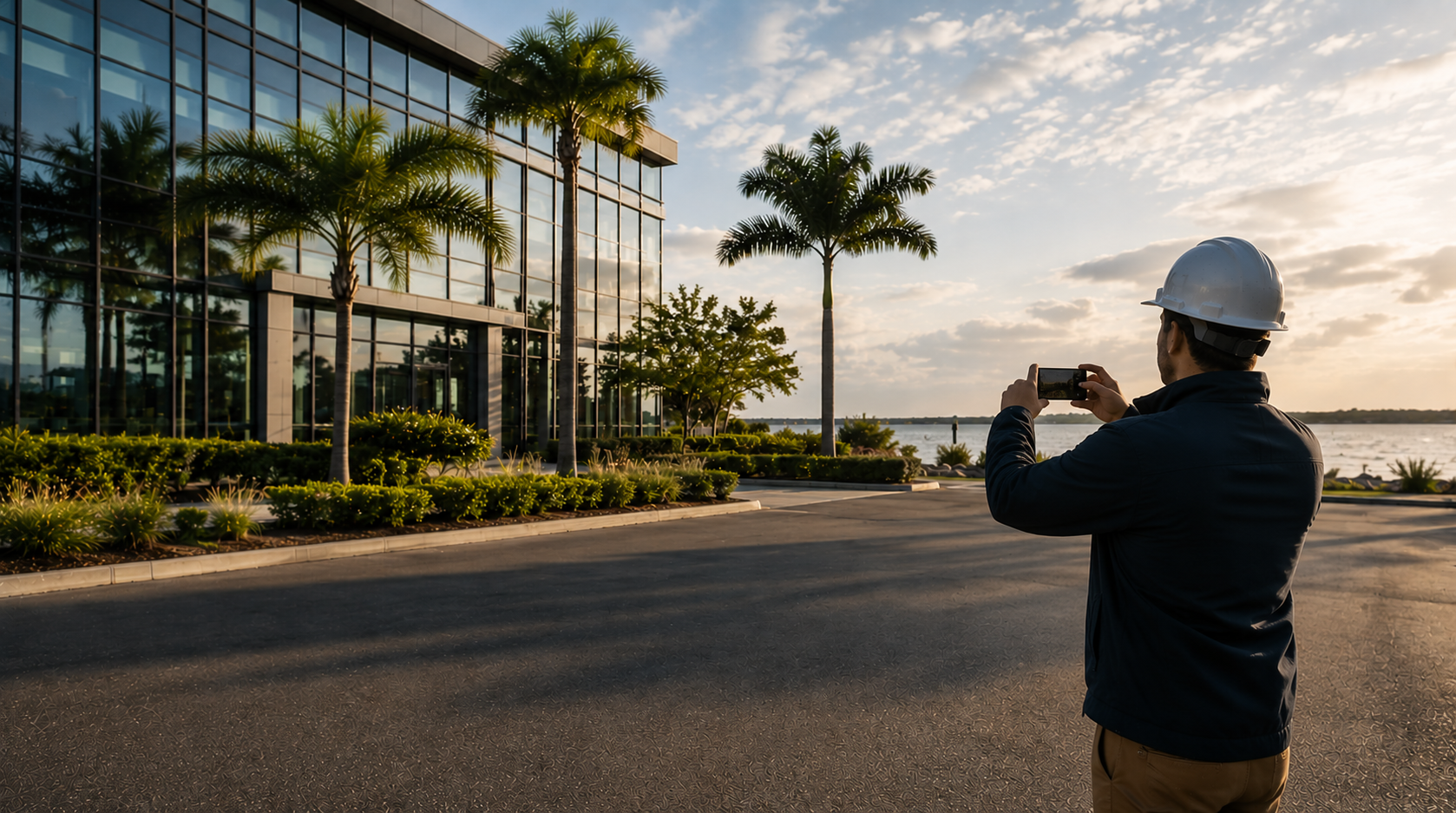
Phase I Environmental Site Assessments in Florida
Get your Florida Phase I ESA report in 10–15 business days.
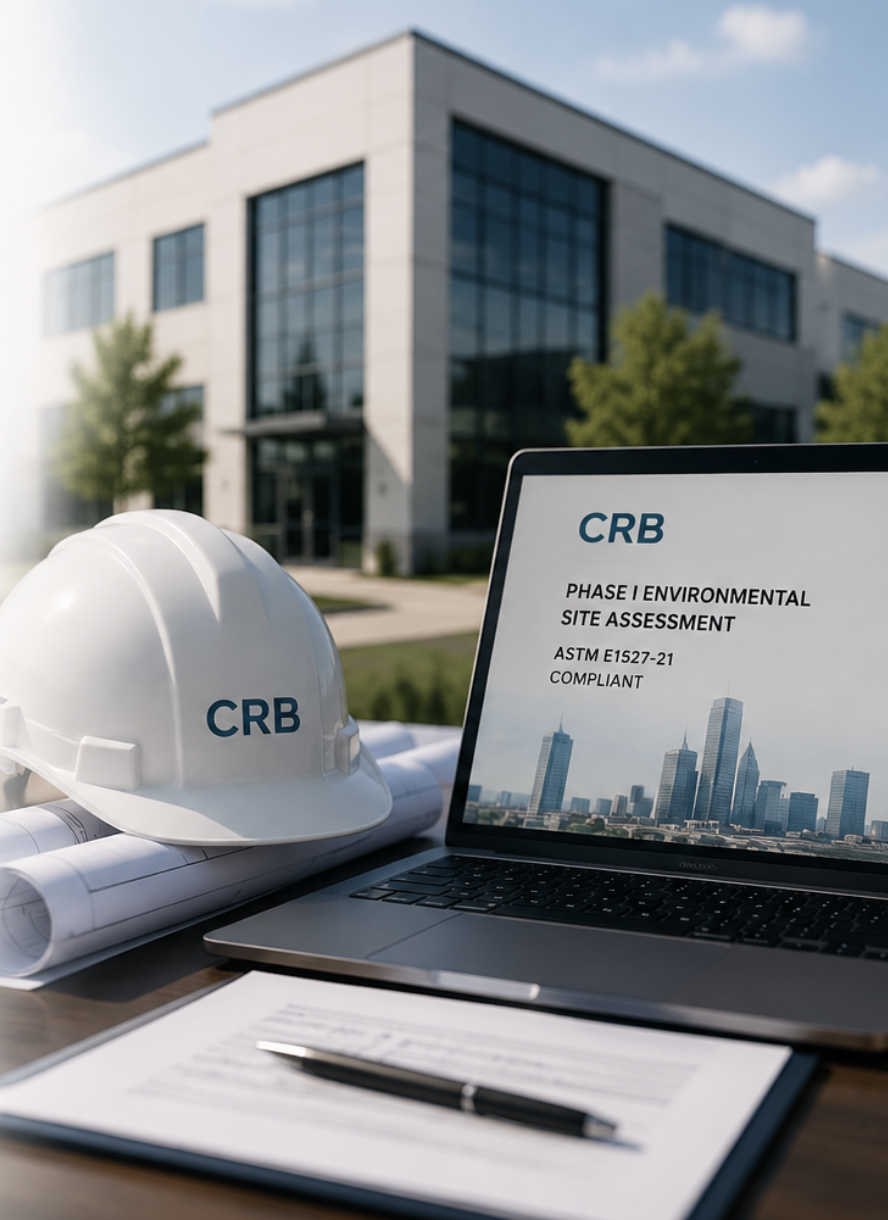
CRB delivers defensible, ASTM E1527-21 compliant assessments for commercial real estate transactions statewide, with expedited delivery available.
Buying, Financing or Redeveloping Commercial Property in Florida?
Environmental risk isn't always visible from the property you're standing on.
Historical land use, former commercial or industrial operations, petroleum storage, agricultural activity, adjoining properties, regulatory records, and prior releases can all become relevant during environmental due diligence.
A Phase I ESA evaluates that history before a major property decision is made. For Florida transactions, CRB combines the ASTM E1527-21 assessment process with applicable federal, state, local, historical, and property-specific information to identify Recognized Environmental Conditions (RECs) and other findings relevant to the assessment.
ENVIRONMENTAL DUE DILIGENCE IN FLORIDA
Acquiring Commercial Property
Understand potential environmental concerns while transaction options are still available.
Developing or Redeveloping
Understand environmental history before it becomes a development question.
Financing or Refinancing
Support the lending decision with defensible environmental due diligence.
Acquiring Land
Don't assume an undeveloped property has an uncomplicated environmental history.
What CRB Evaluates During a Florida Phase I ESA
A Phase I Environmental Site Assessment evaluates a property's current conditions, historical uses, and relevant environmental records to identify potential environmental concerns associated with the property. CRB performs Phase I ESAs for Florida commercial real estate in accordance with ASTM E1527-21.
Site Reconnaissance
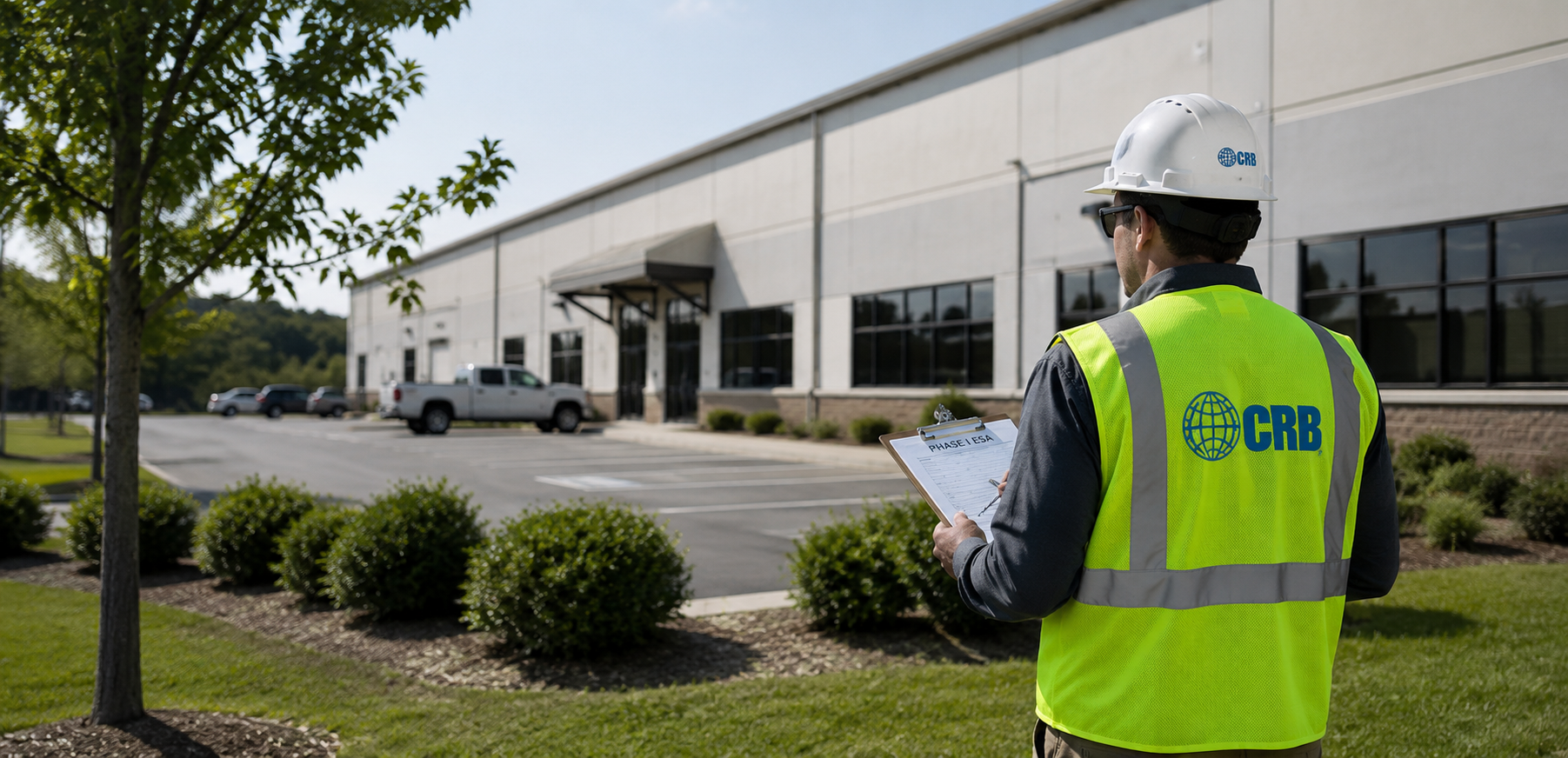
CRB conducts a visual assessment of the property and observes current uses, site conditions, adjoining properties, and features relevant to environmental due diligence.
Property & Land Use History
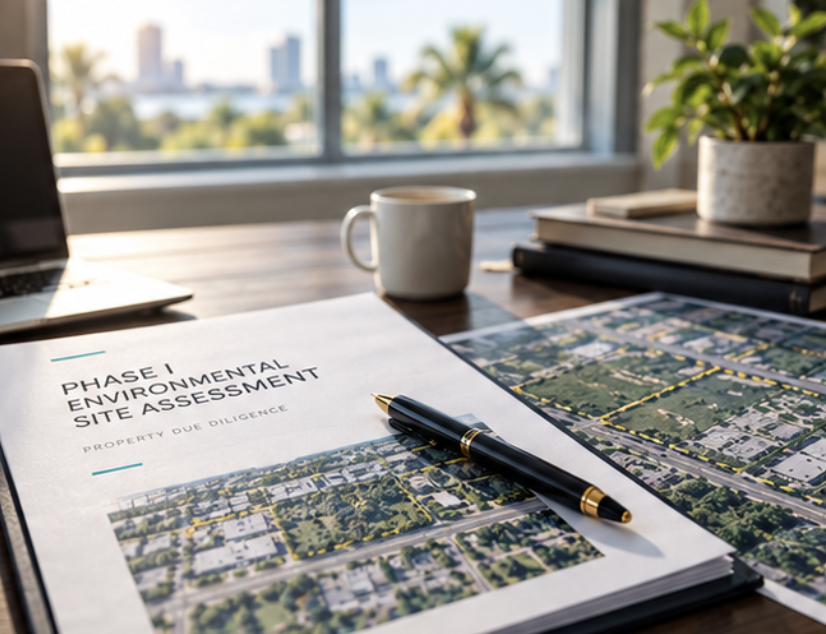
Historical aerials, maps, directories, and prior site uses are reviewed to understand how the property and surrounding area have changed over time.
Environmental & Regulatory Records
Available environmental databases, agency records, and regulatory information are reviewed to identify documented releases, permits, and other relevant findings.
Interviews & Available Property Information
CRB evaluates available property information and may conduct interviews with owners, occupants, site contacts, or local sources when relevant.
Environmental Professional Evaluation
A qualified Environmental Professional evaluates the available information in context to determine whether recognized environmental conditions may be present.
Phase I ESA Report
The final report summarizes the findings, documents the assessment, and outlines any recommendations for further evaluation if needed.
THE CRB PHASE I PROCESS
Environmental Due Diligence in Florida Starts With Understanding How the Property Was Used
Florida commercial properties can have environmental histories that aren't apparent from their current use. Former fuel facilities, dry cleaners, automotive operations, industrial properties, agricultural land, fill, and surrounding properties with documented environmental conditions can all become relevant during due diligence.
The presence of a historical use does not automatically mean contamination exists or that the condition constitutes a Recognized Environmental Condition (REC). The Environmental Professional evaluates the available information in context to determine its significance to the Phase I ESA.
THE PROPERTY'S HISTORY MATTERS
Dry Cleaners & Historical Commercial Uses
Current and former dry-cleaning operations and other commercial uses involving chemicals can become relevant when evaluating a property's environmental history.
Redevelopment & Infill Properties
Older commercial properties may have changed uses multiple times. Understanding those uses before redevelopment can help identify environmental questions before plans advance.
Industrial & Manufacturing Properties
Manufacturing, processing, repair, material storage, petroleum use, and waste-handling history can become relevant to the environmental assessment.
Surrounding Properties
Environmental due diligence doesn't stop at the property line. Relevant historical uses, documented releases, and regulatory conditions on adjoining or nearby properties may also warrant evaluation.
Petroleum & Storage Tank Sites
Current and former gas stations, underground storage tanks, bulk fuel facilities, and automotive operations can require careful evaluation of historical and regulatory records.
Agricultural & Former Agricultural Land
As Florida land transitions to commercial, industrial, residential, and mixed-use development, historical agricultural operations may warrant property-specific evaluation based on how the land was previously used.
Florida Environmental Records Can Change the Due Diligence Picture
A property's environmental history may extend well beyond what is visible during a site visit.
Florida Department of Environmental Protection records and other applicable sources can provide information about storage tanks, petroleum releases, contaminated facilities, cleanup activity, brownfields, dry-cleaning facilities, prior environmental investigations, and other conditions that may be relevant to a Phase I ESA. FDEP maintains databases and electronic site files for several of these programs.
For Florida properties, CRB evaluates applicable environmental information based on the property, its history, surrounding uses, and the requirements of the assessment.
FLORIDA ENVIRONMENTAL RECORDS
Florida DEP Records
Relevant Florida Department of Environmental Protection records may include information related to petroleum storage tanks, reported discharges, contaminated facilities, cleanup activity, dry-cleaning facilities, brownfields, and other regulated or historically impacted sites.
Understanding What the Record Means
Finding a property in an environmental database does not automatically mean the property is contaminated or that the listing constitutes a Recognized Environmental Condition. The Environmental Professional evaluates the nature of the record, its relationship to the subject property, available supporting documentation, and other relevant information before determining itssignificance.
Prior Environmental & Cleanup Records
Available Phase I and Phase II reports, site assessment documents, cleanup records, regulatory correspondence, closure documentation, and other historical environmental files may provide important context about previously identified conditions.
County & Local Environmental Records
Depending on the property's location, environmental due diligence may also include applicable county or municipal records. In South Florida, this can include information maintained through Miami-Dade County environmental programs, Broward County environmental programs, and other local agencies where relevant.
What Happens If a Florida Phase I ESA Identifies a REC?
A Recognized Environmental Condition does not automatically mean the property is contaminated or that the transaction cannot proceed. It means the finding needs to be understood and the appropriate next step considered.
A Phase I ESA is a non-intrusive assessment. It does not include sampling or laboratory analysis of soil, groundwater, air, or building materials as part of the ASTM E1527-21 scope.
When a REC, significant data gap, or other unresolved environmental question is identified, the next step depends on the property, the finding, available information, and the needs of the transaction.
A REC does not automatically mean the deal cannot proceed.
WHEN ADDITIONAL EVALUATION MAY BE NEEDED
01 | Clarify the Finding
In some cases, additional records, regulatory files, historical documentation, or other information may help clarify the condition without immediately moving to intrusive investigation.
↓
02 | Determine Whether Additional Investigation Is Appropriate
If available information cannot adequately address the environmental question, the Environmental Professional may conclude that additional investigation is appropriate.
↓
03 | Conduct a Phase II ESA, When Warranted
A Phase II Environmental Site Assessment can use property-specific sampling and analysis to evaluate whether contamination is present and better understand the nature of the condition.
↓
04 | Determine the Appropriate Path Forward
If contamination is confirmed, additional work may include delineation, risk evaluation, remediation planning, regulatory coordination, corrective action, or other property-specific environmental services.
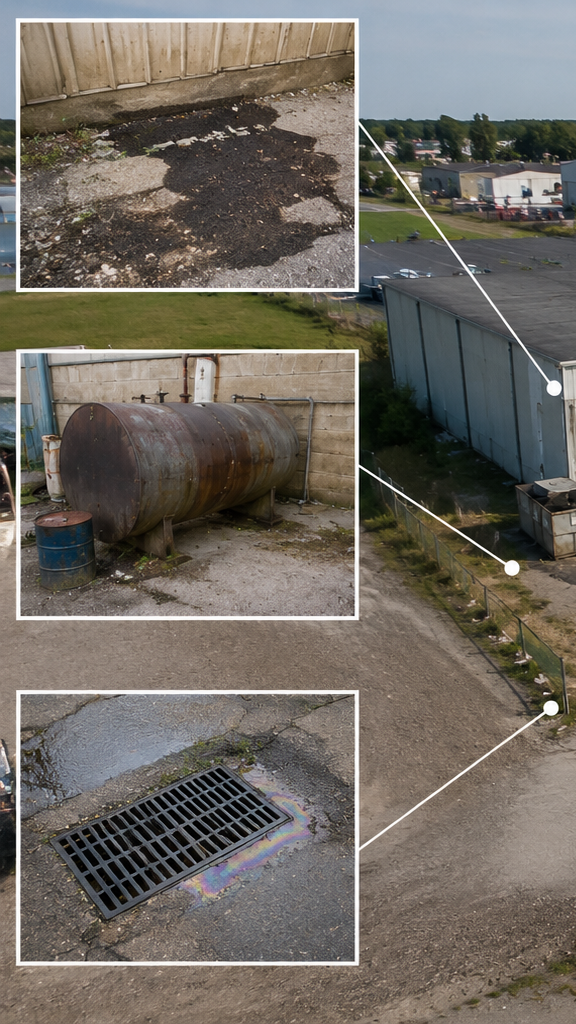
Common Florida Property Types
We provide Phase I ESAs for a wide range of commercial real estate buildings and facilities.
PROPERTY TYPES
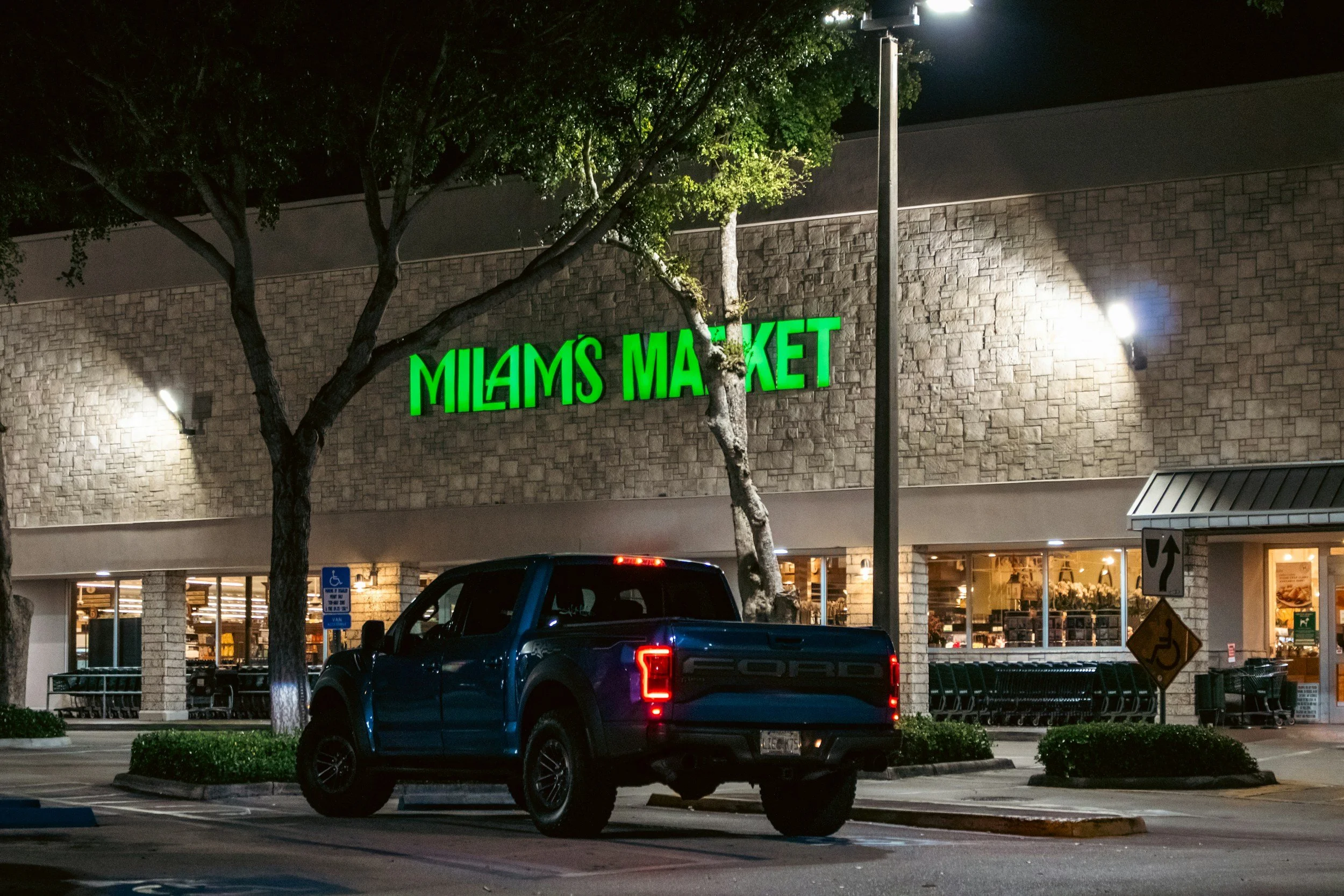
Retail and Shopping Centers

Office Buildings, Hospitals, and Animal Clinics

Industrial and Wharehouses
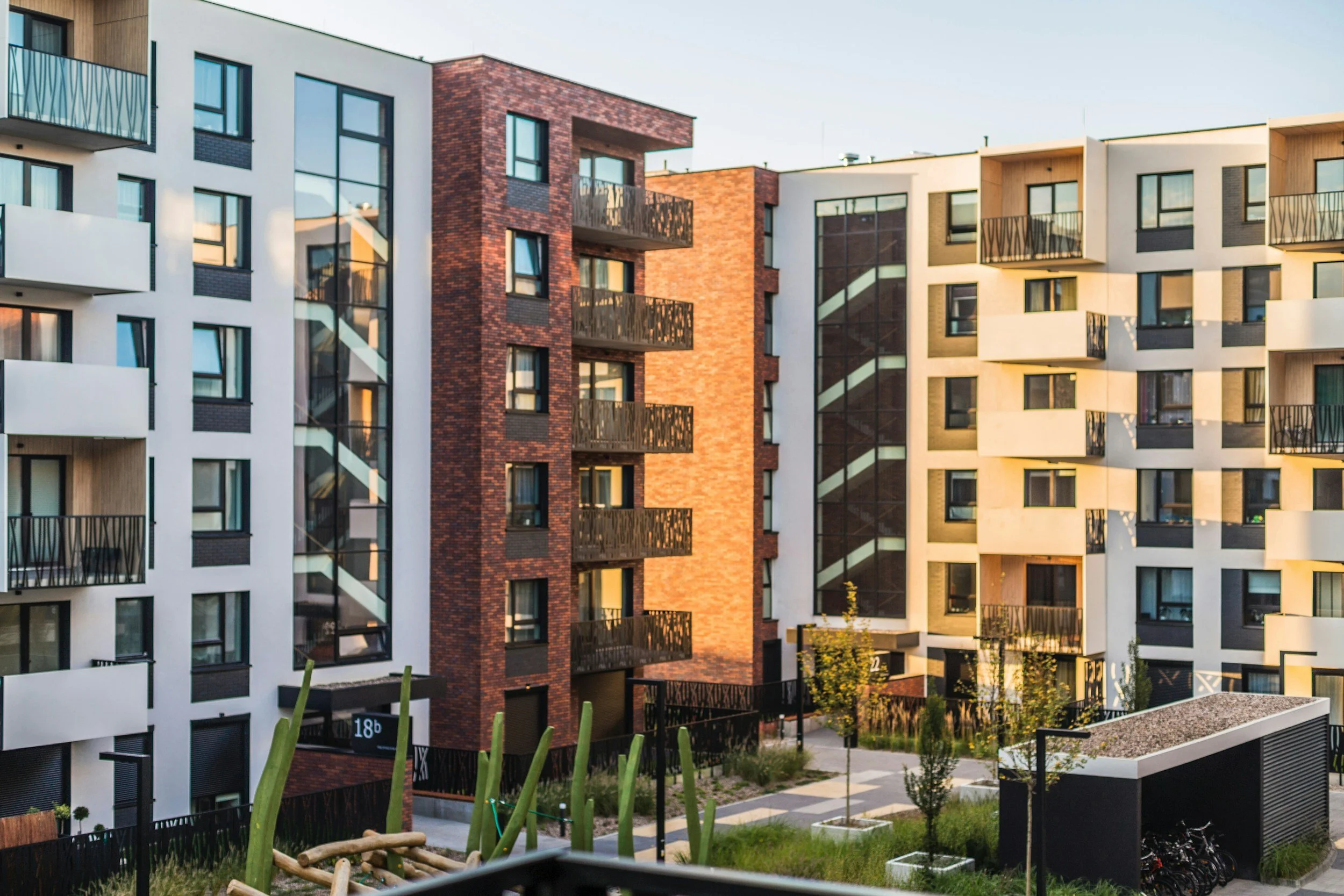
Multifamily and Mixed-Use
WHY CRB FOR FLORIDA PHASE I DUE DILIGENCE
Florida Environmental Experience. Senior-Level Judgment. Clear Next Steps.
CRB has been headquartered in Miami since 1992 and supports commercial real estate, lending, development, and environmental due diligence projects throughout Florida.
Our role isn't simply to complete the assessment. It's to help the people responsible for the property understand the findings and know what happens next.
Senior Expertise
Experienced environmental professionals remain involved in the evaluation, findings, and conclusions.
Direct Access
Clients have direct access to the CRB team responsible for understanding the property and environmental findings.
Florida Experience
CRB evaluates property-specific conditions alongside applicable state, local, historical, and regulatory information.
Project Continuity
When additional investigation or environmental work is appropriate, CRB can continue beyond the Phase I without unnecessary handoffs.
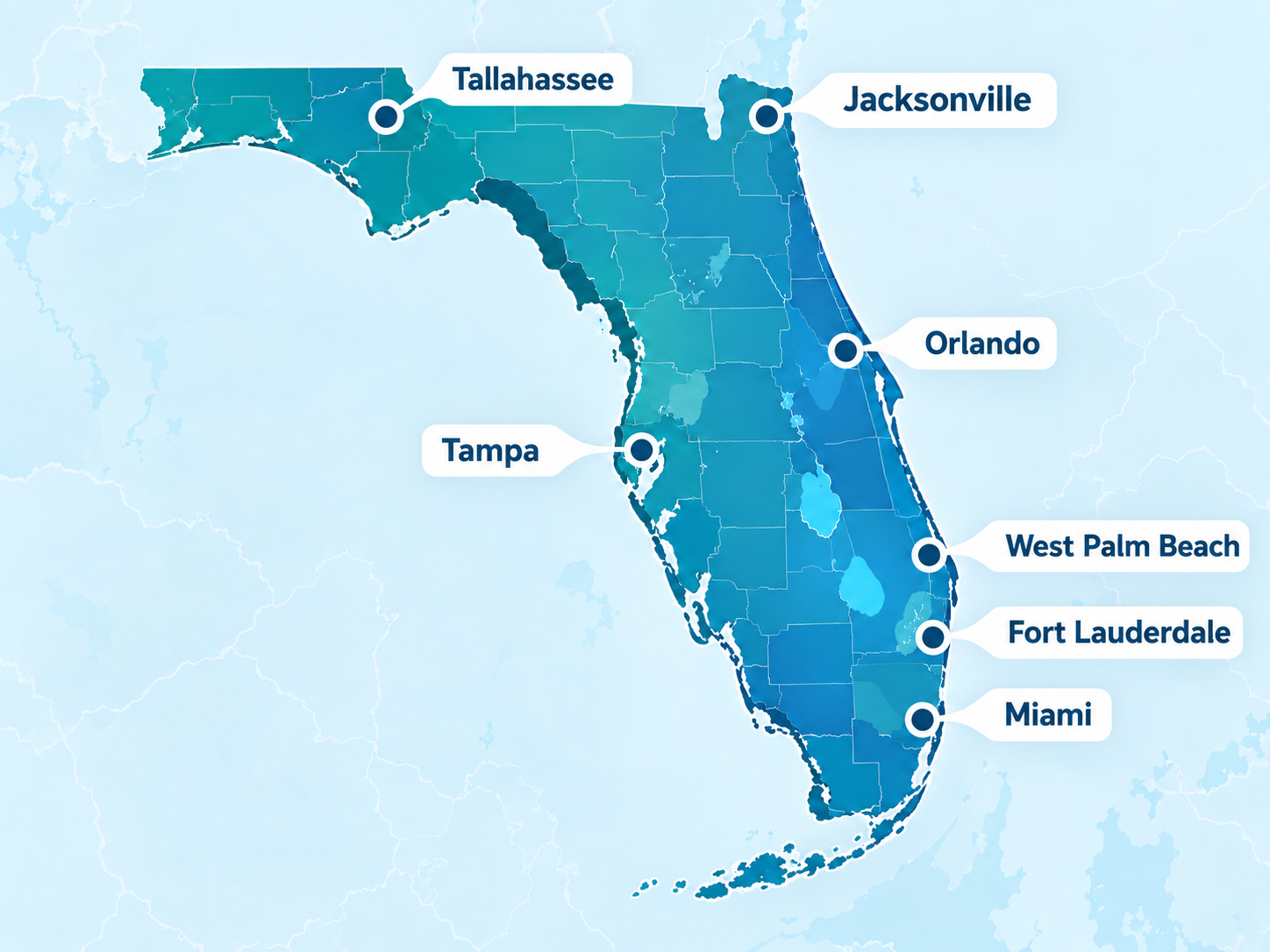
STATEWIDE FLORIDA COVERAGE
Phase I Environmental Site Assessments Throughout Florida
Miami-Dade County
Miami • Doral • Hialeah • Homestead
Broward County
Fort Lauderdale • Hollywood • Pompano Beach • Miramar
Palm Beach County
West Palm Beach • Boca Raton • Delray Beach • Boynton Beach
Orlando & Central Florida
Orlando • Orange County • Kissimmee • Sanford and surrounding markets
Monroe County
The Florida Keys
Tampa Bay
Tampa • Hillsborough County • St. Petersburg • Clearwater and surrounding markets
Jacksonville & Northeast Florida
Jacksonville • Duval County and surrounding markets
Tallahassee & North Florida
Tallahassee • Leon County and surrounding markets
Request a Phase I ESA Proposal in Florida
If you are acquiring, refinancing, financing, or redeveloping commercial property in Florida, CRB can help evaluate environmental risk before it becomes a transaction or project problem.
To provide an accurate Phase I ESA proposal, CRB typically needs:
Property address
Property type
Site size or parcel information
Transaction or lender deadline
Lender requirements, if applicable
Prior environmental reports, if available
Known concerns or redevelopment plans
Florida Phase I ESA Frequently Asked Questions
-
Not every Florida commercial property transaction automatically requires a Phase I ESA. Phase I ESAs are commonly requested by lenders and used by buyers, developers, investors, and attorneys as part of environmental due diligence.
A properly conducted Phase I ESA can also be part of satisfying federal All Appropriate Inquiries requirements for parties seeking to qualify for certain CERCLA landowner liability protections. Eligibility depends on the circumstances and other applicable requirements.
-
The Environmental Professional determines which environmental information is applicable based on the property and ASTM requirements. Depending on the site, relevant information may include FDEP storage-tank and petroleum-contamination records, cleanup information, electronic site files, brownfield information, dry-cleaning facility information, and other applicable federal, state, or local sources. FDEP maintains several databases and public-record resources covering these programs.
-
A standard Phase I ESA is a non-invasive assessment and generally does not include soil, groundwater, soil-vapor, or other environmental sampling.
If the Phase I identifies a condition for which property-specific environmental data are appropriate, a Phase II ESA may be recommended.
-
No. A REC is an ASTM-defined finding and does not, by itself, establish that contamination is present. The finding must be evaluated in context to determine whether additional investigation is appropriate.
-
Yes. CRB can continue from Phase I environmental due diligence into Phase II investigation when property-specific environmental data are needed, and can provide additional environmental services when appropriate.
-
Phase I ESA costs vary based on property type, location, site size, historical use, lender requirements, records availability, and project schedule. CRB provides site-specific proposals based on the property and transaction requirements.
Request a Phase I ESA Proposal
If you are acquiring, refinancing, financing, or redeveloping commercial property, CRB can help evaluate environmental risk before it becomes a transaction or project problem.
To prepare a Phase I ESA proposal, CRB typically needs the property address, property type, site size or parcel information, transaction deadline, lender requirements, prior environmental reports if available, and any known concerns or redevelopment plans.