
Environmental Remediation & Property Remediation Services
Practical Solutions for Contamination and Property Damage, From Investigation Through Closure.
CRB provides environmental and property remediation services for commercial real estate, facility managers, and property owners. Whichever track applies to your property, CRB manages the investigation, the corrective action plan, and the path to closure or resolution.
What is Environmental Remedation?
Environmental remediation is the process of removing, treating, or managing contamination in soil, groundwater, or soil vapor to protect human health, meet regulatory requirements, and restore a property for safe use, financing, or redevelopment. It's the step that typically follows a Phase II ESA once contamination has been confirmed.
Environmental remediation addresses:
Soil Contamination
Petroleum, solvents, metals, or other hazardous substances present in soil, often from historical spills, tank leaks, or industrial operations.
Groundwater Contamination
Contaminants that have migrated into groundwater, requiring extraction, treatment, or long-term monitoring to reach regulatory closure.
Soil Vapor Intrusion
Volatile contaminants that pose a potential inhalation risk to current or future building occupants, addressed through vapor mitigation systems or source removal.
Corrective Action Compliance
Investigation and cleanup performed to satisfy state or federal regulatory programs, including RCRA corrective action, state UST programs, and voluntary cleanup or brownfield programs.
At CRB, every environmental remediation strategy is scoped around the specific contamination confirmed during site investigation, not a generic cleanup template, so clients get a cost-effective plan that satisfies regulators without overspending on unnecessary treatment.
What Is Property Remediation?
Property remediation addresses building-level environmental and moisture-related issues that affect facility operations, occupant health, and asset value, distinct from the soil and groundwater contamination addressed under environmental remediation. This is the service track most relevant to facility managers, property managers, and building owners managing an active issue rather than a real estate transaction.
Property remediation addresses:
Mold Remediation
Identifying the moisture source, containing affected areas, and removing mold growth to restore safe, compliant indoor conditions.
Water Intrusion & Moisture Damage
Addressing water damage from leaks, flooding, or HVAC failures before it develops into mold growth or structural damage.
Indoor Air Quality Concerns
Investigating and resolving air quality issues tied to moisture, ventilation problems, or microbial growth that affect occupant comfort and health.
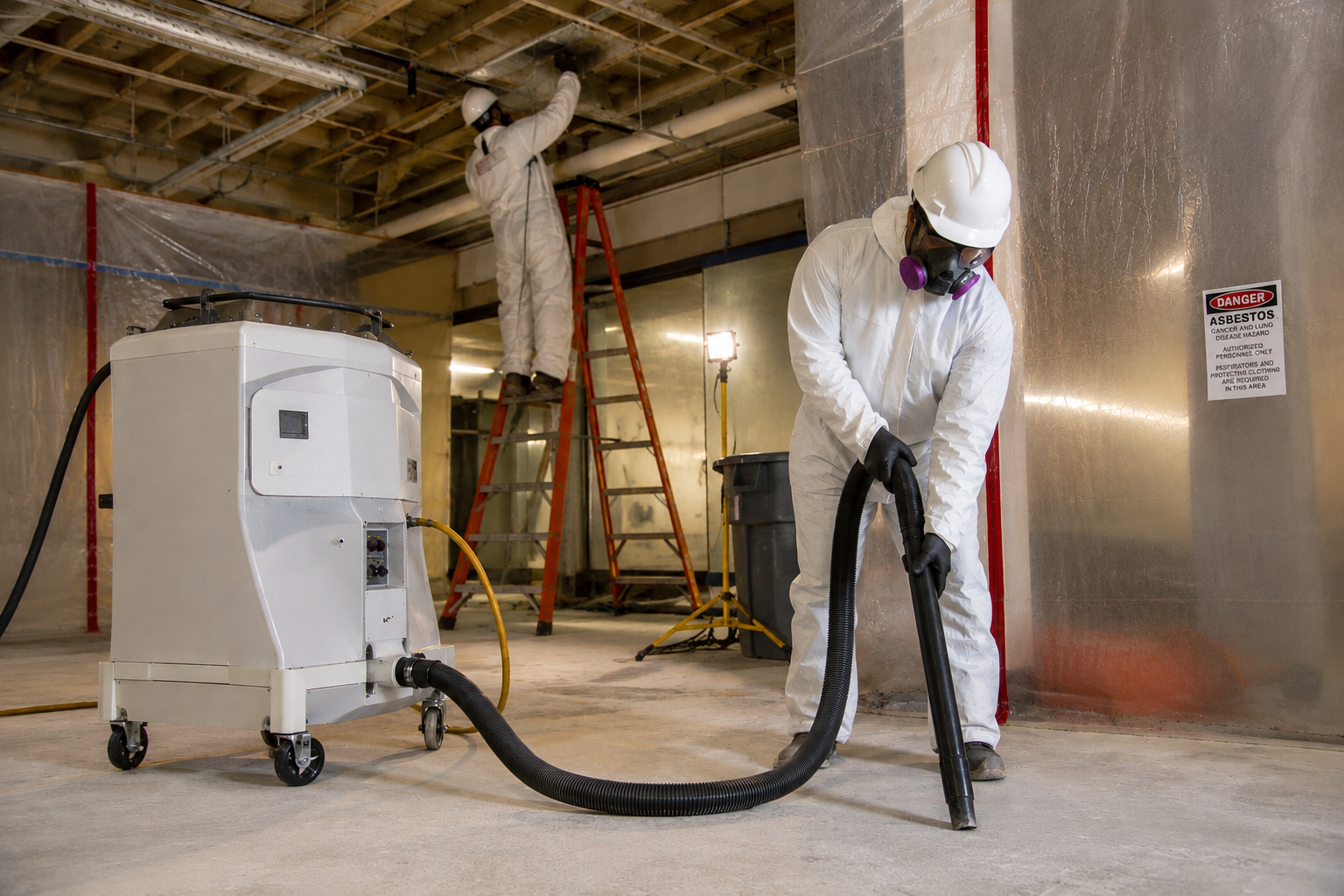
Hazardous Building Materials
Coordinating remediation of asbestos, lead, or other regulated materials identified during renovation, demolition, or facility assessments.
For facility managers, property remediation isn't just about fixing a visible problem, it's about controlling liability, minimizing business interruption, and documenting the response for tenants, insurers, and regulators. CRB provides that documentation alongside the remediation work itself, so facility managers have a defensible record if the issue is questioned later.
Who Needs Environmental Remediation
vs. Property Remediation?
Many clients come to CRB after a Phase II ESA confirms contamination to bridge the gap between knowing a problem exists and solving it effectively.
CRB provides both remediation tracks exclusively for commercial properties. This includes multifamily housing such as apartment complexes, but does not include single-family homes or individual residential units.
Who Needs Environmental Remediation
Commercial Property Buyers and Sellers
A Phase II ESA confirmed contamination during a transaction, and remediation is needed to satisfy lender requirements or move toward closing.
Developers and Redevelopment Teams
A planned construction or redevelopment project requires contaminated soil or groundwater to be addressed before work can proceed.
Industrial and Manufacturing Facility Owners
Historical operations have resulted in confirmed contamination requiring regulatory corrective action.
Attorneys and Lenders
A transaction or portfolio requires environmental remediation to be scoped, managed, or brought to regulatory closure as part of due diligence or risk management.
Who Needs Property Remediation
Facility Managers
An office building, retail center, medical facility, or other commercial property has an active mold, water intrusion, or moisture issue affecting operations or occupants.
Multifamily Property Managers and Owners
An apartment complex or other multifamily property has experienced water damage, mold growth, or an indoor air quality issue affecting common areas or multiple units.
Property Management Companies
A managed commercial portfolio needs a consistent remediation partner for building-level environmental issues across multiple properties.
Commercial Landlords
A tenant has raised a mold, moisture, or air quality concern that needs to be investigated and resolved to satisfy lease obligations and protect the asset.
-
Sampling results showed soil, groundwater, or vapor contamination exceeding applicable regulatory screening levels.
-
A state or federal agency has identified contamination requiring investigation and cleanup under a formal compliance program.
-
A sale, financing, or redevelopment project needs contamination addressed and formally closed out before moving forward.
-
Property owners may obtain a Phase I ESA ownership transfers, or other major decisions to better understand potential environmental conditions affecting their assets.
Sellers often order their own Phase I ESA to address questions proactively and keep a deal on schedule.
-
A plumbing failure, roof leak, or HVAC issue has introduced moisture into the building and needs a fast, documented response.
-
Visible mold growth, a musty odor, or elevated moisture readings indicate a microbial issue requiring assessment and remediation.
-
A planned renovation or demolition project has identified asbestos, lead, or other regulated materials requiring abatement before work can proceed.
-
Complaints about odor, air quality, or health symptoms point to a potential moisture or microbial issue that needs investigation.
When Do You Need Remediation Services?
How Much Does Remediation Cost?
Remediation costs vary more than any other service CRB provides, because the scope depends entirely on what's being addressed. Here's a realistic breakdown for both tracks.
Environmental Remediation Costs
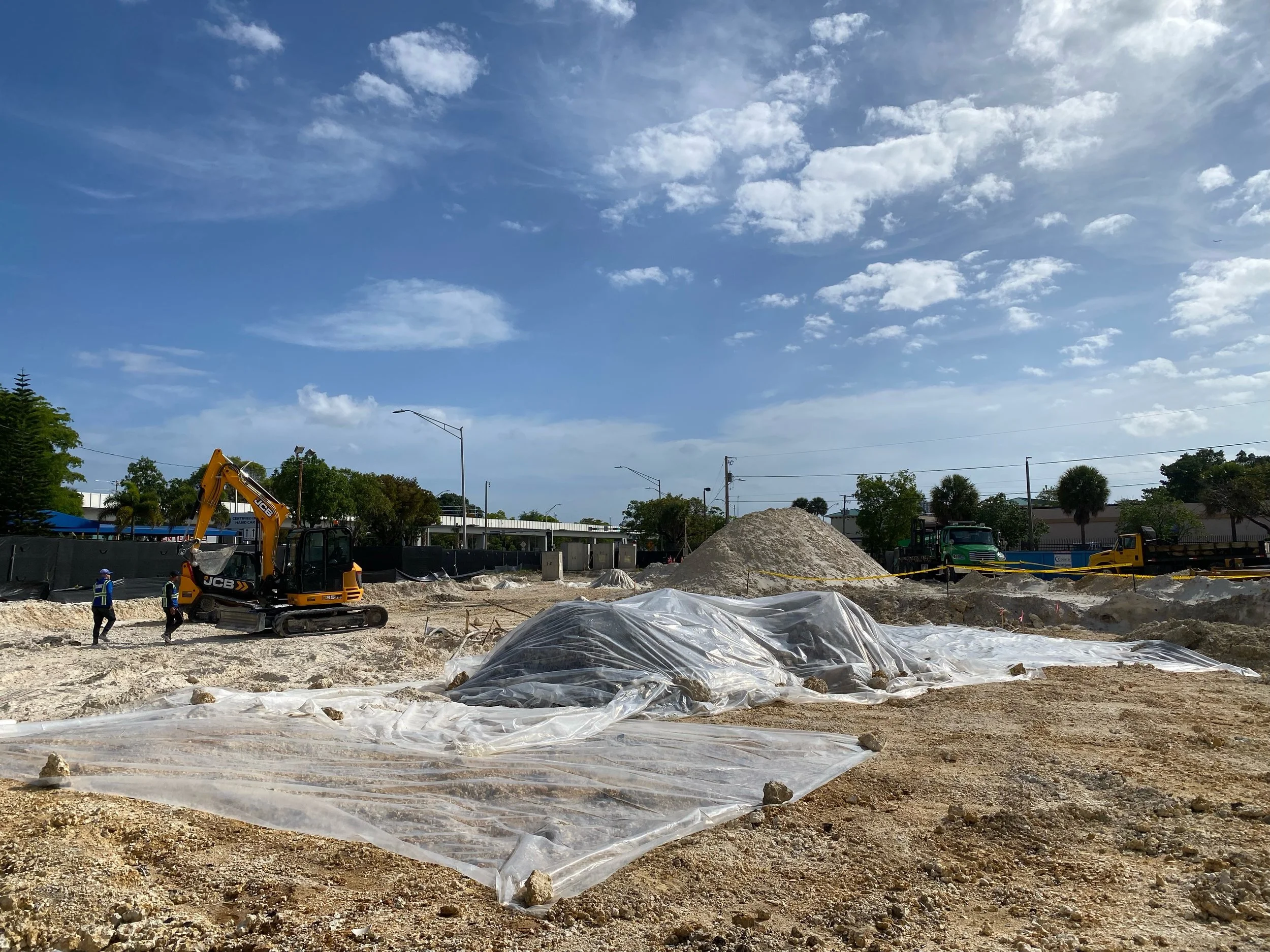
Small, contained environmental remediation projects, such as limited soil excavation or a single-source petroleum release, typically range from $15,000 to $50,000. Larger or more complex sites, particularly those involving groundwater contamination, multiple source areas, or long-term monitoring, can exceed well over $50,000. Groundwater remediation is consistently the largest cost driver in this range, since it often requires extraction systems, treatment infrastructure, and years of monitoring before regulatory closure.
Property Remediation Costs
Contained property remediation issues, such as a single-room mold response or a limited water intrusion event, typically range from $3,000 to $25,000. Large-scale water damage, multi-floor mold response, or issues involving structural drying and reconstruction can exceed $50,000. Speed of response is one of the biggest cost factors here, addressing water intrusion within the first 24 to 48 hours significantly reduces the likelihood of mold development and the cost that comes with it.
Why Clients Choose CRB for Remediation
Choosing the right remediation company affects more than just the cleanup itself, it affects how quickly a transaction closes, how confidently a facility manager can report an issue resolved, and whether the resulting documentation holds up with lenders, attorneys, or regulatory agencies. CRB provides both environmental remediation and property remediation services for commercial and multifamily properties nationwide, backed by senior Environmental Professional oversight on every project from initial investigation through regulatory closure or final verification.
Senior EP Oversight on Every Project
Every remediation strategy is reviewed and signed by a senior Environmental Professional, not handed off to a junior team member once fieldwork begins, a distinction that matters when a regulator, lender, or insurer scrutinizes the work later.
Plans Scoped to Your Site
CRB designs every remediation plan around the specific soil, groundwater, or property-level issue confirmed on-site, not a generic template, so clients pay for the remediation their property actually needs.
Clear Communication Under Pressure
Remediation often comes with real time pressure, a closing deadline, a tenant complaint, a regulatory notice. CRB keeps clients informed in plain language at every stage, not buried in technical jargon when a fast decision is needed.
Defensible Documentation
Every remediation project is documented clearly enough to hold up with lenders, attorneys, insurers, or regulatory agencies, giving clients a reliable record if the issue is ever revisited.
-
Environmental remediation addresses soil, groundwater, or vapor contamination, typically confirmed through a Phase II ESA and governed by state or federal regulatory programs. Property remediation addresses building-level issues like mold, water intrusion, and moisture damage that affect facility operations and occupant health, and is not typically transaction-driven.
-
Small, contained projects typically range from $15,000 to $50,000. Larger or more complex sites, particularly those involving groundwater contamination, can range from $50,000 to $150,000 or more. Request a proposal for a scope-specific estimate.
-
Contained issues such as a single-room mold response typically range from $3,000 to $25,000. Large-scale water damage or multi-floor mold response can exceed $50,000. Faster response times generally reduce overall cost.
-
In many cases yes. A Phase II ESA may confirm whether contamination is present and provide information regarding its nature and distribution. Depending on the findings and applicable regulatory program, additional site assessment or delineation may be necessary before a corrective-action strategy can be developed.
Frequently Asked Questions About Environmental & Property Remediation
-
Yes. CRB provides both service tracks, so facility managers and property owners have a single point of contact whether the issue involves subsurface contamination or a building-level moisture or mold concern.
-
CRB's remediation services are built for commercial and multifamily properties. We do not provide remediation for single-family homes or individual residential units, though multifamily properties such as apartment complexes and other commercial-scale residential assets fall within our scope.
-
CRB evaluates and scopes each issue separately, since they involve different investigation methods, regulatory frameworks, and remediation approaches, but manages both under one project team so clients aren't coordinating between multiple firms.
-
Since 1992, CRB has managed remediation projects from initial investigation through regulatory closure. Every remediation strategy is scoped around the specific contamination or damage confirmed on the property, not a generic template, and CRB provides continuity from Phase I or Phase II ESA findings straight through to resolution.