
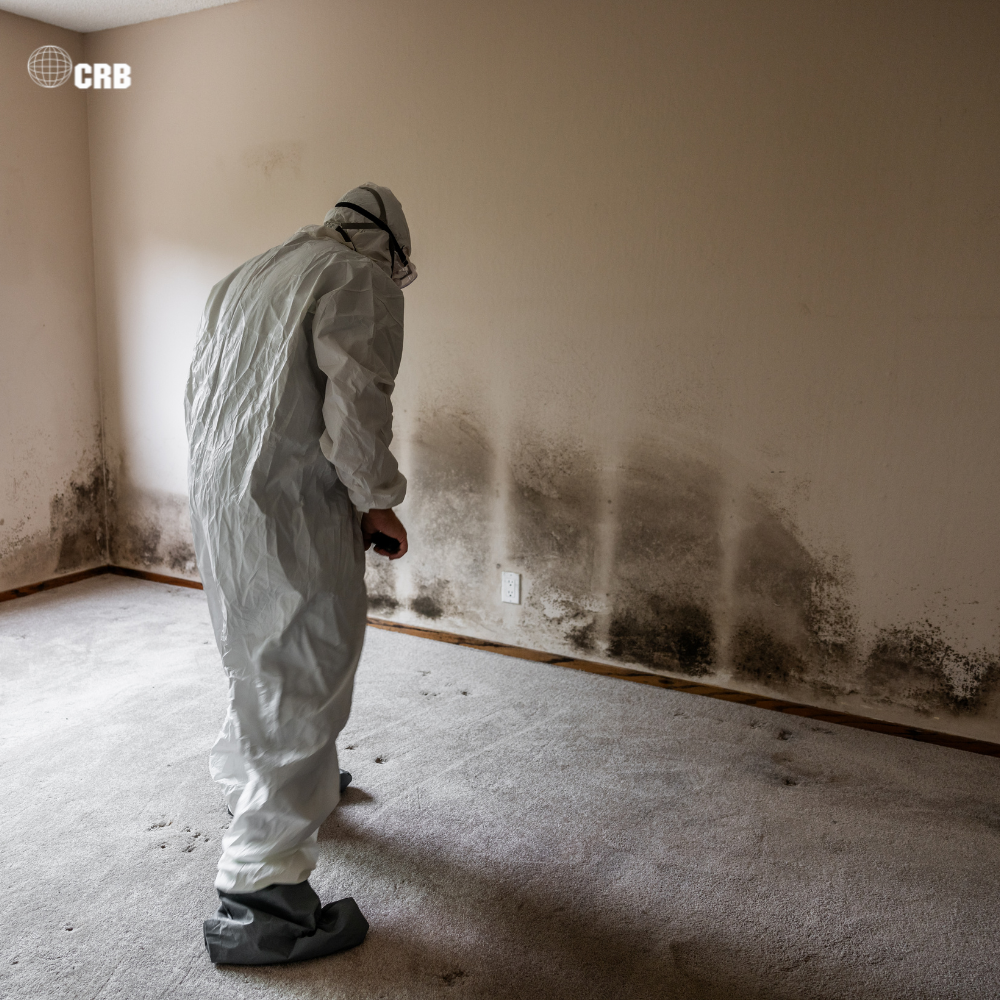
Asbestos and Mold Assessment & Mitigation
[ASBESTOS AND MOLD ASSESSMENT & MITIGATION]Protect Occupant Health, Manage Liability, and Move Projects Forward Safely
Asbestos and mold are two of the most common environmental issues found in buildings, and they often surface at the worst possible time. Renovations get delayed, transactions stall, tenants raise concerns, and liability questions start to grow. When asbestos-containing materials are disturbed or when mold develops due to moisture problems, the risks extend beyond health concerns to regulatory compliance, project timelines, and property value.
In many cases, uncertainty is the biggest problem. Owners and managers are left asking whether asbestos is present, whether mold levels are normal or problematic, what regulations apply, and what action is actually required. Without clear answers, projects slow down and costs escalate.
This is where a proper, defensible assessment becomes critical.
What Asbestos and Mold Are and Why They Matter
Asbestos
Asbestos is a naturally occurring mineral that was widely used in building materials because of its fire resistance and durability. Common asbestos-containing materials include floor tile, pipe insulation, cement products, duct wrap, mastics, and thermal system insulation.
Regulatory agencies such as OSHA and the U.S. Environmental Protection Agency define asbestos-containing material as any material with more than one percent asbestos. These materials become hazardous when disturbed, damaged, or improperly handled, releasing fibers that can pose serious health risks if inhaled. Renovation and demolition activities often trigger regulatory requirements that must be addressed before work can proceed.
Mold
Mold is a naturally occurring organism that thrives in damp environments. In buildings, mold growth is almost always the result of moisture intrusion, leaks, condensation, or ventilation issues. Mold itself is rarely the root problem. Moisture control failures are.
When mold is present indoors, it can reduce indoor air quality, trigger allergic or respiratory symptoms, signal underlying building envelope issues, and create liability concerns during leasing, sales, or occupancy.
When Asbestos and Mold Assessments Are Needed
Asbestos and mold assessments are commonly required when:
Buildings are being renovated or demolished
Properties are being bought, sold, or refinanced
Tenants or occupants report health or odor concerns
Water damage or moisture intrusion has occurred
Regulatory compliance must be documented
Property owners, developers, facility managers, lenders, and legal teams rely on professional assessments to determine what risks exist and what steps are actually required.
How CRB Conducts Asbestos and Mold Assessments
CRB’s asbestos and mold assessments are focused, practical, and defensible. The goal is not to oversample or create unnecessary alarm, but to understand conditions accurately and support informed decisions.
Asbestos Assessments
CRB performs asbestos surveys in accordance with applicable OSHA, EPA, and AHERA requirements. Our services include identifying and sampling suspect asbestos-containing materials, coordinating laboratory analysis, and preparing clear survey reports signed by licensed asbestos professionals. These assessments support renovation planning, demolition compliance, and risk management across residential, commercial, and industrial facilities.
Mold Assessments
CRB’s mold assessments focus on understanding building conditions and moisture sources. Services may include moisture mapping, visual inspection, documentation of water damage or suspect materials, and targeted air, surface, or bulk sampling when appropriate. Results are interpreted in context, with recommendations based on building use and actual exposure potential.
Mitigation Planning and Oversight
When asbestos or mold concerns are identified, CRB provides clear guidance on appropriate mitigation steps.
For asbestos, this may include development of abatement or management plans, contractor oversight, regulatory coordination, and clearance air monitoring following removal activities.
For mold, mitigation guidance focuses on correcting moisture sources, addressing affected materials, and preventing recurrence. When remediation is required, CRB provides verification and documentation to confirm conditions have been properly addressed.

[The CRB Asbestos & Mold Assessment Process]
Initial Consultation & Scope Review
We start with a focused discussion to determine whether asbestos, mold, or both may be present.
Site Inspection & Field Assessment
We conduct a detailed on-site evaluation and appropriate, we perform targeted sampling using industry-accepted methods.
Laboratory Analysis & Evaluation
Collected samples are analyzed by certified laboratories. CRB then evaluates the results in context to determine whether mitigation or management is necessary.
Clear Reporting & Mitigation Guidance
If mitigation is required, CRB provides guidance, oversight, and verification support to help resolve the issue correctly and prevent recurrence.
Ready to Address Asbestos or Mold Concerns?
Whether you are planning a renovation, managing a facility, or preparing for a transaction, CRB can help you evaluate asbestos and mold conditions with confidence.

Frequently Asked Questions
-
An assessment involves a thorough survey to identify suspect materials and confirm the presence of asbestos through testing. Abatement refers to planning and supervising the safe removal or management of those asbestos-containing materials once identified.
-
An assessment is recommended before any renovation, demolition, or property transaction, especially in structures built before the 1980s, where asbestos-containing materials were widely used.
-
No. Because disturbing materials can release hazardous fibers, samples should be collected by trained professionals and analyzed in an accredited lab to ensure safety and accuracy.
-
Yes. Before any renovation or demolition that might disturb building materials, an asbestos survey is typically required under federal and state regulations to protect workers, occupants, and project timelines.
-
A mold assessment includes a detailed visual inspection, evaluation of moisture sources, and, if needed, collection and laboratory analysis of air or surface samples to identify mold type and concentration.
-
Yes. When managed properly by experienced professionals who control contamination zones and implement safety protocols during mitigation.
-
Mold thrives where moisture accumulates from leaks, condensation, flooding, or high humidity. Identifying and correcting moisture sources is essential to effective mold management.
-
If laboratory analysis is included, yes — testing can identify specific mold species, which can help determine health risk and inform mitigation strategy.