

Indoor Air Quality Testing Designed Specifically for
Veterinary Clinics and Animal Facilities in South Carolina
CRB is a trusted provider of indoor air quality testing for veterinary and animal care facilities, supporting environments where both staff and animals depend on clean, controlled air conditions.
Why Indoor Air Quality Matters in Veterinary and Animal Facilities
Veterinary and animal care facilities require a different approach to indoor air quality than traditional commercial buildings. CRB provides IAQ assessments designed specifically for these environments, where animal health, staff performance, and operational continuity are directly impacted by air conditions.
Poor indoor air quality may contribute to:
Persistent or unexplained odors in exam rooms or treatment areas
Staff discomfort, headaches, or air quality complaints
Concerns about mold due to humidity or moisture intrusion
HVAC or ventilation issues affecting airflow or odor control
Air quality concerns during or after renovations
Need for documentation to address internal concerns or liability
These issues are common in veterinary settings and often require a professional evaluation to properly identify the source. Maintaining proper indoor air quality is essential for both animal patient care and operational standards.
Experience Supporting Veterinary Facilities
Veterinary and animal care facilities have unique environmental demands that require a more specialized approach to indoor air quality testing. CRB provides assessments designed specifically for these environments, supporting both operational performance and animal health.
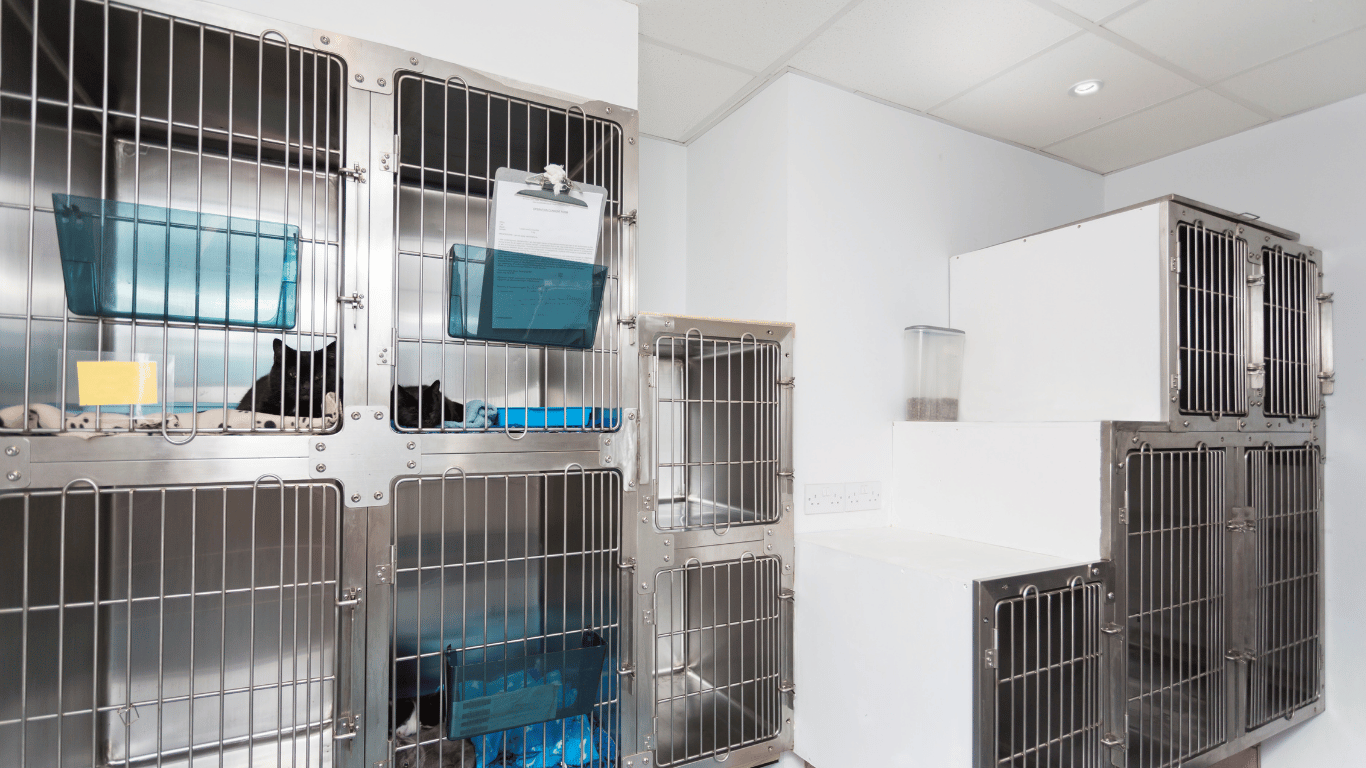
Indoor Air Quality Testing Designed Around Your Facility Operations
We understand that veterinary clinics, animal hospitals, kennels, and pet care facilities must remain fully operational at all times. Patient care cannot be paused, and both staff and pet owners rely on a safe, stable, and uninterrupted environment. CRB provides clear, defensible indoor air quality assessments with practical recommendations designed for real-world veterinary environments. Our team works around your schedule, treatment areas, surgical spaces, and patient flow to ensure all testing is completed efficiently and without disruption to your services.
We use non-invasive, non-destructive indoor air quality testing methods that allow your facility to continue operating normally while we evaluate potential air quality concerns. This approach is especially important in veterinary environments, where minimizing stress for animals and maintaining controlled conditions is essential.
Because in animal care environments, protecting health should never come at the cost of disrupting it.
What an Indoor Environmental Assessment Includes
Our assessments may include:
On-site visual evaluation of the facility
Identification of potential moisture, ventilation, or contamination sources
Air and surface sampling where appropriate
Evaluation of high-risk areas such as treatment rooms, boarding areas, and surgical spaces
Evaluation of HVAC systems as they relate to indoor air conditions
Laboratory testing and certified analysis
Clear, defensible reporting with actionable next steps
Our goal is not just to collect data, but to help you understand what is happening and what to do next.
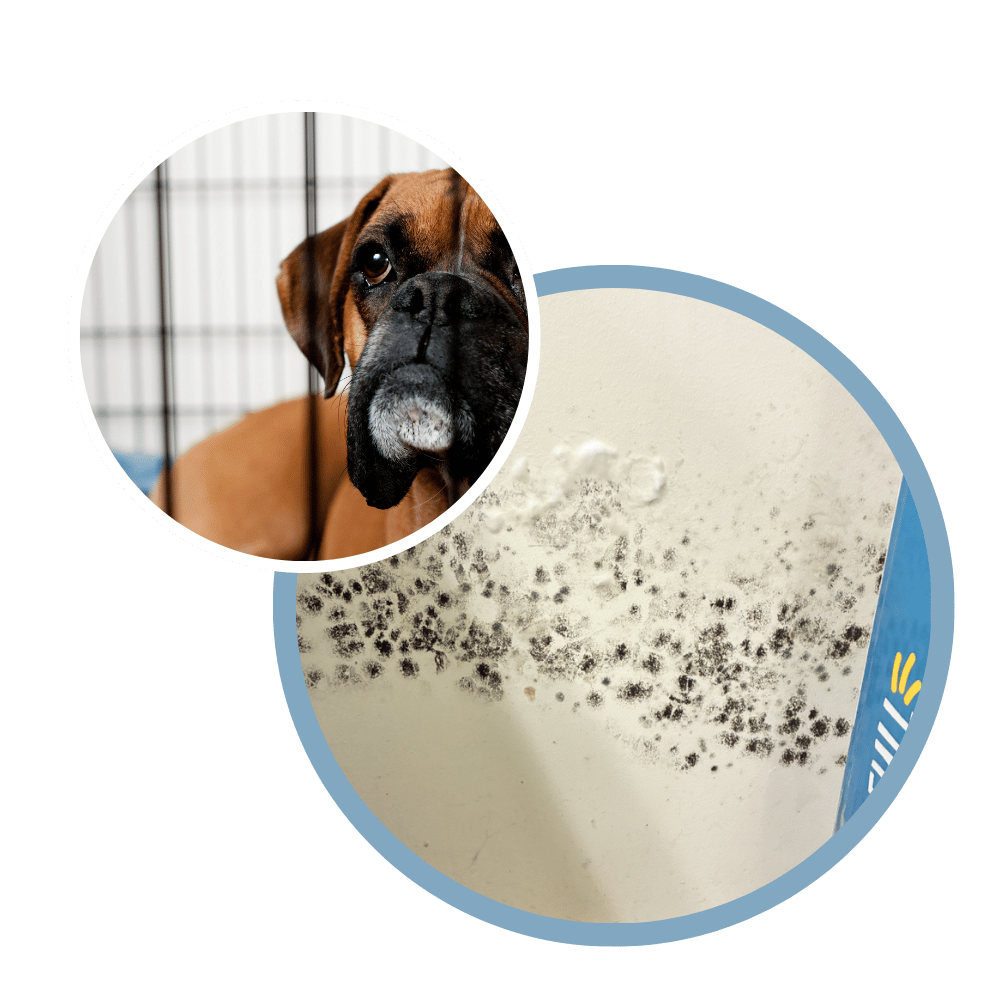

Signs Your Facility May Need IAQ Testing
Persistent Odors Or Poor Ventilation
Humidity Or Condensation Concerns
Animal Dander And Biological Load
High Turnover Occupancy (Kennels)
Visible Mold Or Moisture Issues
Your Facility Is Preparing For Renovation
Or Recently Completed Work
Why Veterinary Facilities Choose CRB
We understand the operational and environmental demands of veterinary and animal care facilities.
• Non-invasive testing with no disruption to operations
• Experience working in sensitive environments
• Clear, actionable reporting
• Fast response and scheduling
• Focus on both staff and animal health
Local Expertise for Veterinary Facilities
in South Carolina
CRB provides indoor air quality testing specifically for veterinary clinics, animal hospitals, and animal care facilities, with a focus on environments where both staff and animals depend on controlled, healthy air conditions.
We serve facilities in:
Greenville
Spartanburg
Columbia
Charleston
Mount Pleasant
And surrounding areas
Our team understands the environmental conditions common to the region, including humidity and moisture-related concerns that can impact indoor air quality in veterinary and animal care environments.
Frequently Asked Questions About Indoor Air Quality in Veterinary Clinics
What causes indoor air quality issues in veterinary clinics?
1
Indoor air quality issues in veterinary clinics are commonly caused by a combination of ventilation limitations, moisture or humidity, biological contaminants, and odor buildup from daily operations. These environments require proper airflow and moisture control to maintain air quality.
Do veterinary clinics need indoor air quality testing?
2
Veterinary clinics may need indoor air quality testing when there are persistent odors, staff complaints, suspected mold, or concerns about ventilation. Testing helps identify the source of the issue and determine appropriate next steps.
How quickly can an indoor environmental assessment be completed?
3
Most indoor environmental assessments can be scheduled quickly, with site visits and initial findings provided shortly after inspection. Timing depends on the size of the facility and the nature of the concern.
What is the difference between IAQ testing
and a full environmental assessment?
4
Indoor air quality testing focuses on measuring specific air conditions, while a full environmental assessment includes a broader evaluation of the facility, including potential sources, building conditions, and contributing factors.
Request Indoor Air Quality Testing for Your Facility
When it comes to environments responsible for animal health and care, indoor air quality is not optional. It is foundational.