
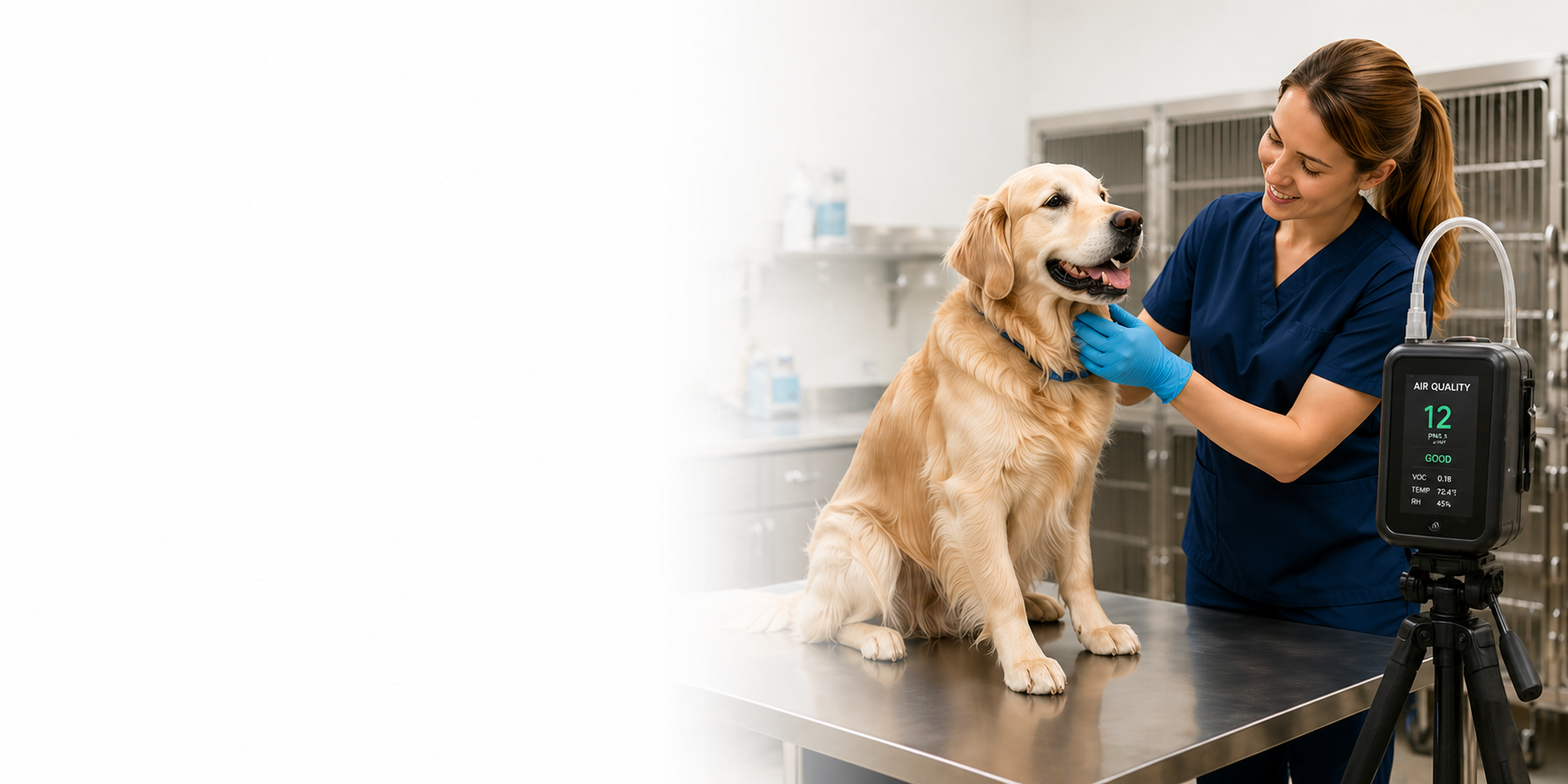
VETERINARY INDOOR AIR QUALITY TESTING (IAQ)
Veterinary Indoor Air Quality Testing (IAQ) for Clinics, Animal Hospitals & Animal Care Facilities
Specialized, non-invasive indoor air quality assessments for veterinary clinics, animal hospitals, and shelters dealing with odor, moisture, and air quality concerns.
SPECIALIZED IAQ TESTING FOR ANIMAL FACILITIES
Why Indoor Air Quality Matters in Veterinary and Animal Facilities
Veterinary facilities operate in a completely different environment than traditional commercial buildings, and indoor air quality issues are far more common than most operators realize.
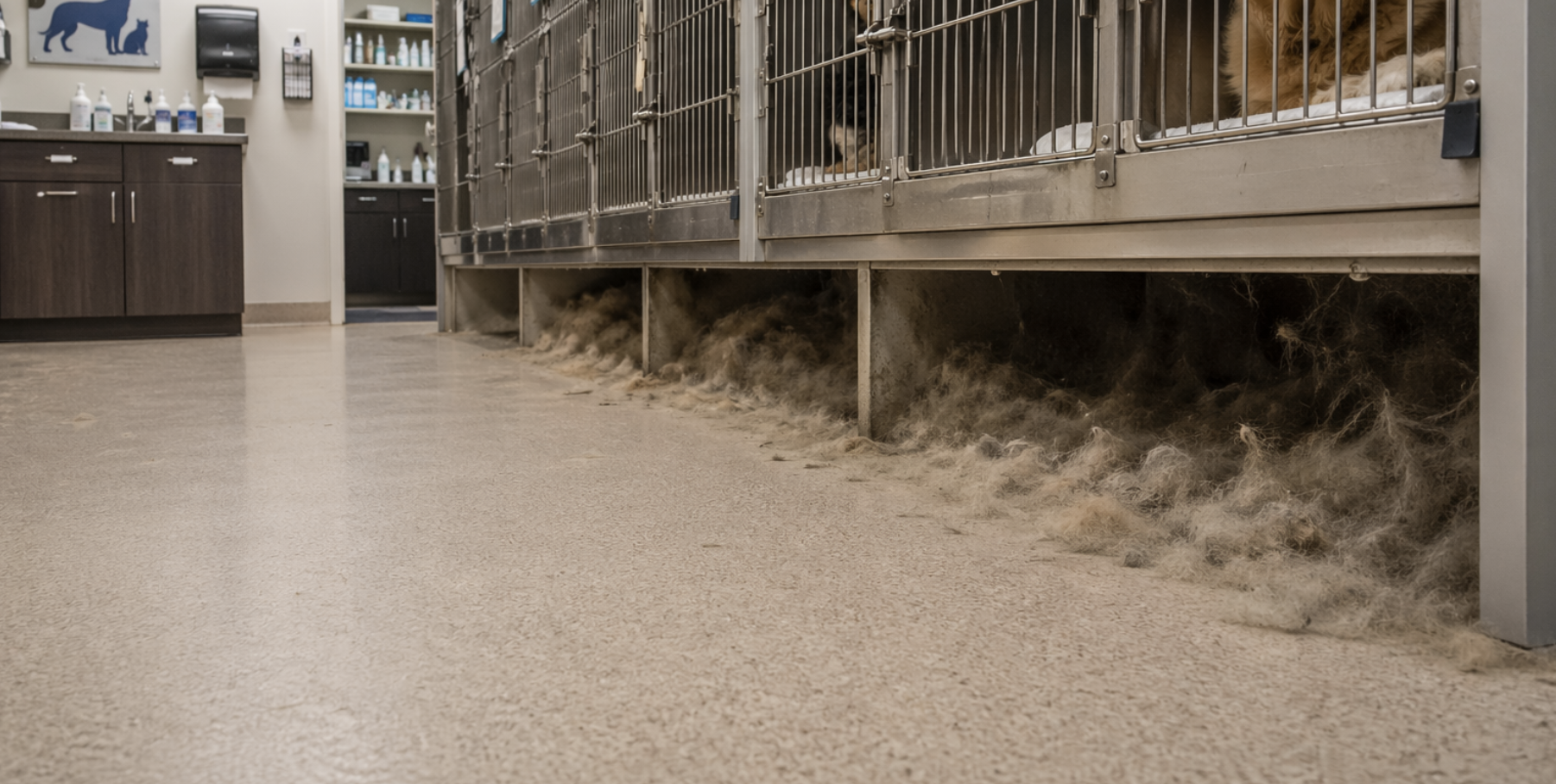
They face unique indoor air quality challenges from dander, allergens, cleaning chemicals, volatile organic compounds (VOCs), and moisture. Poor IAQ can contribute to respiratory issues in animals, allergic reactions in staff and clients, and negative operational impacts.
Common IAQ concerns we identify:
Persistent or unexplained odors in exam rooms or treatment areas
Staff discomfort, headaches, or air quality complaints
Concerns about mold due to humidity or moisture intrusion
HVAC or ventilation issues affecting airflow or odor control
Air quality concerns during or after renovations
Cross-contamination risks in treatment areas
Need for documentation to address internal concerns or liability
CRB is one of the few environmental consulting firms actively specializing in targeted indoor air quality assessments for veterinary clinics and animal facilities. CRB works with veterinary clinics, animal hospitals, boarding facilities, and multi-location pet care operators.
THE BENEFITS
The Benefits of Better IAQ
01
Healthier Animals
Reduce respiratory issues and support faster recovery.
02
Healthier People
Protect your team and clients with cleaner indoor air.
03
Protect Your Brand
Demonstrate your commitment to quality and safety.
04
Meet Compliance Expectations
Support accreditation standards and best practices

Let’s Move Your Project Forward
COMPREHENSIVE. ACCURATE. ACTIONABLE.
Our IAQ Services for Veterinary & Animal Facilities
IAQ Assessment & Testing
Airborne particulates, allergens, pathogens, mold, VOCs, and more
Ventilation & HVAC Evaluation
Ensure proper airflow, filtration, and system performance
Surface & Air Sampling
Mold, bacteria, endotoxins, and other biological contaminants
Moisture & Mold Evaluation
Identify hidden moisture issues and mold risks
Reporting & Action Plans
Clear results with practical recommendations you can implement
Remediation Support
From design to oversight, we help ensure solutions are effective
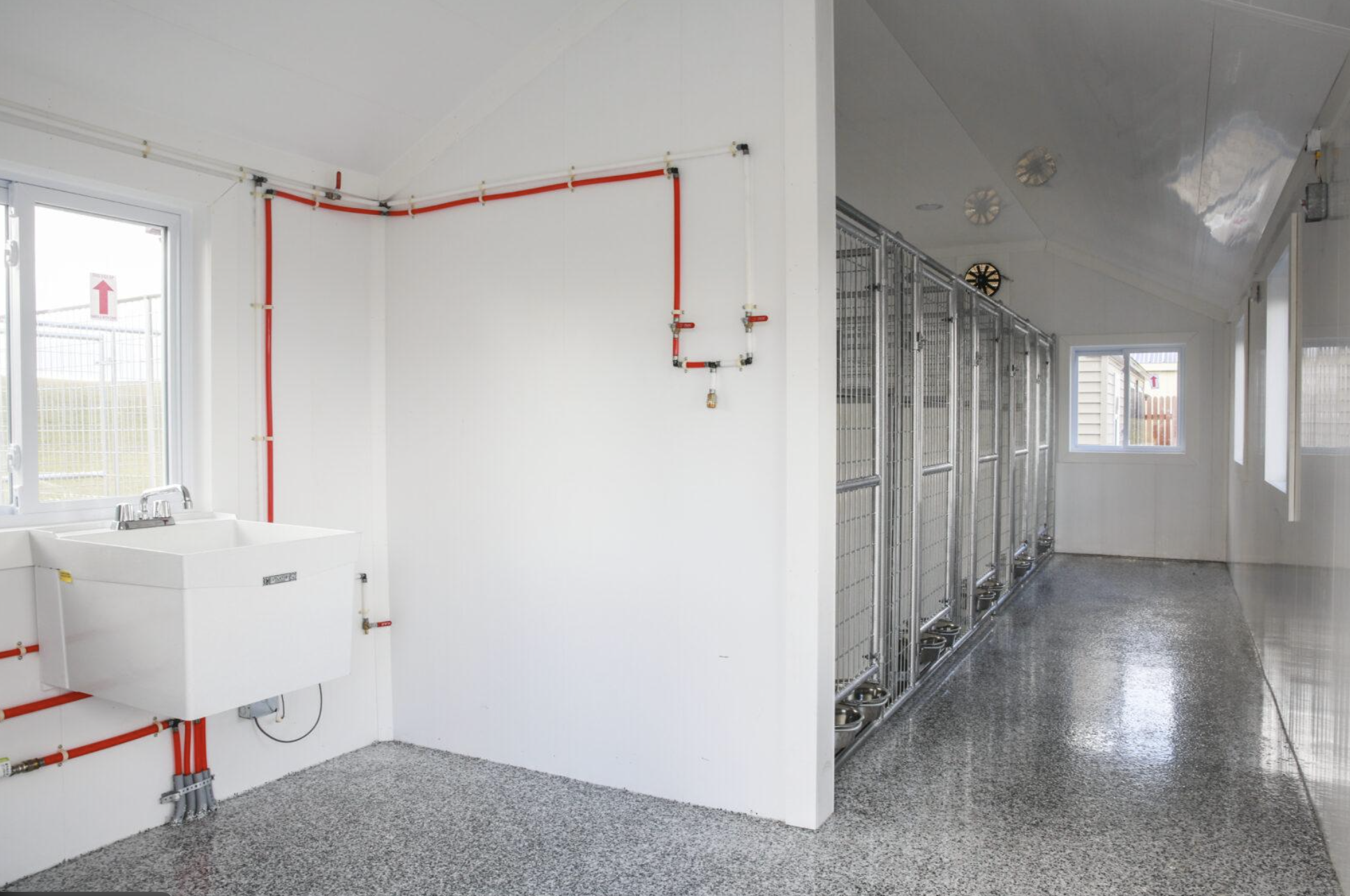
Our Non-Invasive Indoor Air Quality Testing Process for Veterinary Facilities
OUR APPROACH

Moisture & Ventilation Assessment
We identify areas of moisture intrusion and evaluate airflow, ventilation effectiveness, and HVAC performance, both of which are key factors in controlling odor, humidity, and airborne contaminants.
Targeted Air & Surface Sampling
We perform non-invasive sampling based on site-specific conditions, which may include mold spores, airborne particulates, microbial contaminants, and other indoor air quality indicators relevant to veterinary environments.
Data Analysis & Defensible Reporting
All findings are compiled into clear, defensible reports that outline identified conditions, potential environmental concerns, and their impact on facility operations.
Site Evaluation & Facility Review
We begin with a comprehensive walkthrough of the facility, evaluating layout, HVAC systems, ventilation performance, and operational conditions that may influence indoor air quality.
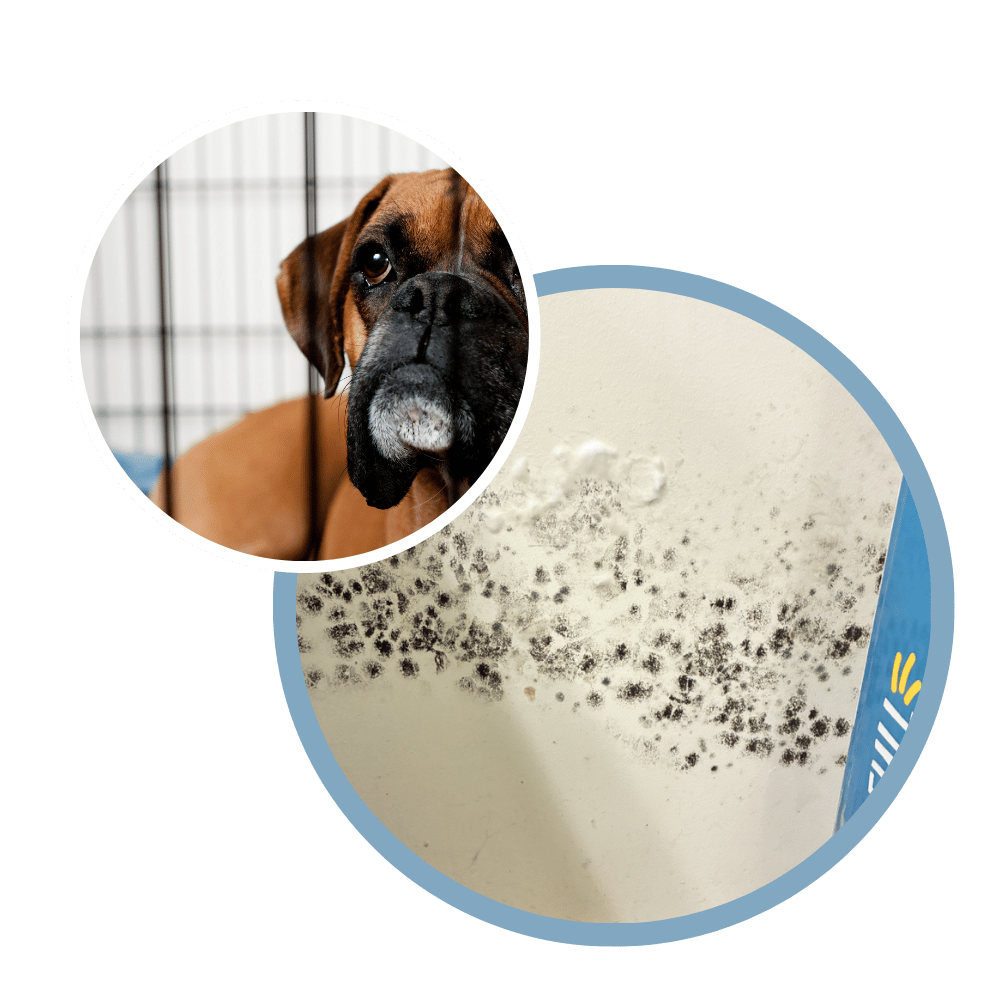
Mold Assessment & Moisture-Related Concerns
Veterinary facilities are particularly susceptible to mold growth due to frequent cleaning, washing areas, and elevated humidity levels.
As part of our indoor air quality assessments, CRB evaluates conditions that may contribute to mold growth, including:
Moisture intrusion in kennels, flooring, and wall systems
Humidity levels that support microbial growth
Visible or suspected mold presence
Detection of airborne mold spores through targeted sampling
When identified, we provide clear guidance on next steps and can support further evaluation through our asbestos and mold assessment & mitigation services.

When to Schedule an Indoor Air Quality Assessment
Persistent Odors or Poor Ventilation
Humidity or Condensation Concerns
Animal Dander and Biological Load
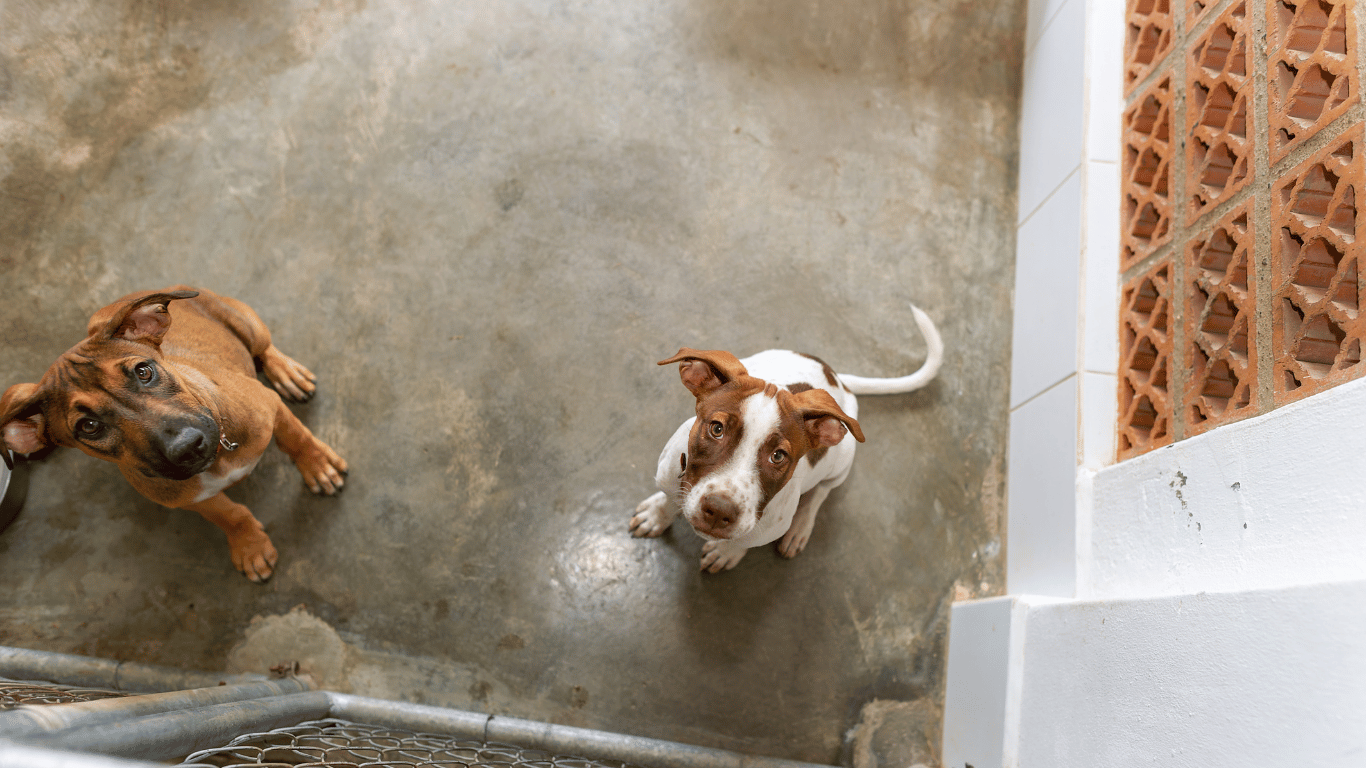
High Turnover Occupancy (Kennels)
Visible Mold or Moisture Issues
Your Facility is Preparing for Renovation
or Recently Completed Work
TRUSTED BY LEADING VETERINARY BRANDS
The IAQ Partner Veterinary Brands Rely On
CRB is the go-to IAQ expert for clinics, hospitals, shelters, boarding facilities, and grooming centers nationwide. We understand your environment and your mission.
Trusted by national brands and local practices
Deep animal care industry knowledge
Fast, flexible, nationwide support
Science-based, defensible results
Frequently Asked Questions
-
Veterinary indoor air quality testing (IAQ) evaluates airborne contaminants, ventilation performance, and environmental conditions within animal care facilities. Testing may include particulate matter, allergens, mold, bacteria, and volatile organic compounds (VOCs) to determine how indoor air impacts animal health, staff safety, and overall facility performance.
-
Indoor air quality directly impacts respiratory health, infection control, recovery outcomes, and workplace safety. Poor IAQ can contribute to airborne disease transmission, allergic reactions, odor issues, and negative client experiences, making it a critical component of veterinary facility operations.
-
Common contaminants include animal dander, airborne pathogens, mold spores, cleaning chemicals, disinfectants, ammonia, and VOCs. These contaminants can accumulate due to high occupancy, cleaning protocols, and ventilation challenges specific to animal care environments.
-
IAQ testing is typically recommended annually, or whenever there are changes in building conditions, HVAC performance, occupancy levels, or reported concerns such as odors, respiratory symptoms, or moisture issues. High-traffic or multi-animal facilities may require more frequent evaluations.
-
IAQ testing identifies airborne particles and ventilation deficiencies that can contribute to the spread of infectious diseases. By understanding airflow patterns and contaminant levels, facilities can implement targeted improvements to reduce cross-contamination risks and improve infection control.
-
Yes. Poor indoor air quality can lead to respiratory irritation, fatigue, headaches, and allergic reactions in staff. Improving IAQ creates a safer and more comfortable work environment, which supports productivity, retention, and overall staff well-being.
-
HVAC systems are critical in controlling airflow, filtration, humidity, and contaminant distribution. Improper ventilation can allow contaminants to circulate throughout the facility. IAQ testing evaluates system performance to ensure proper air exchange, filtration efficiency, and environmental control.
RECs matter because they directly impact:
Environmental liability for buyers and property owners
Lender risk and financing decisions
Whether additional investigation, such as a Phase II ESA, is required
Identifying RECs early allows stakeholders to make informed decisions, negotiate terms, or address potential issues before they affect the transaction.
-
Yes. National veterinary brands, corporate operators, and multi-location facilities benefit from standardized IAQ assessments to ensure consistency across locations, reduce liability, support brand reputation, and maintain high standards of care and compliance.
If you’re experiencing odor issues, staff concerns, or indoor air quality questions in your veterinary facility, CRB can help you identify the source and provide clear next steps.