
How to Choose a Phase I Environmental Site Assessment Company
Environmental due diligence can have a significant impact on commercial real estate transactions, financing decisions, redevelopment projects, and long-term environmental liability. While many environmental consulting firms offer Phase I Environmental Site Assessments (Phase I ESAs), the quality, depth, and practical value of those assessments can vary considerably.
For lenders, developers, investors, attorneys, brokers, municipalities, and property owners, selecting the right environmental consultant is about more than obtaining a report. It is about obtaining reliable information that supports informed decision-making and helps reduce uncertainty before a transaction moves forward.
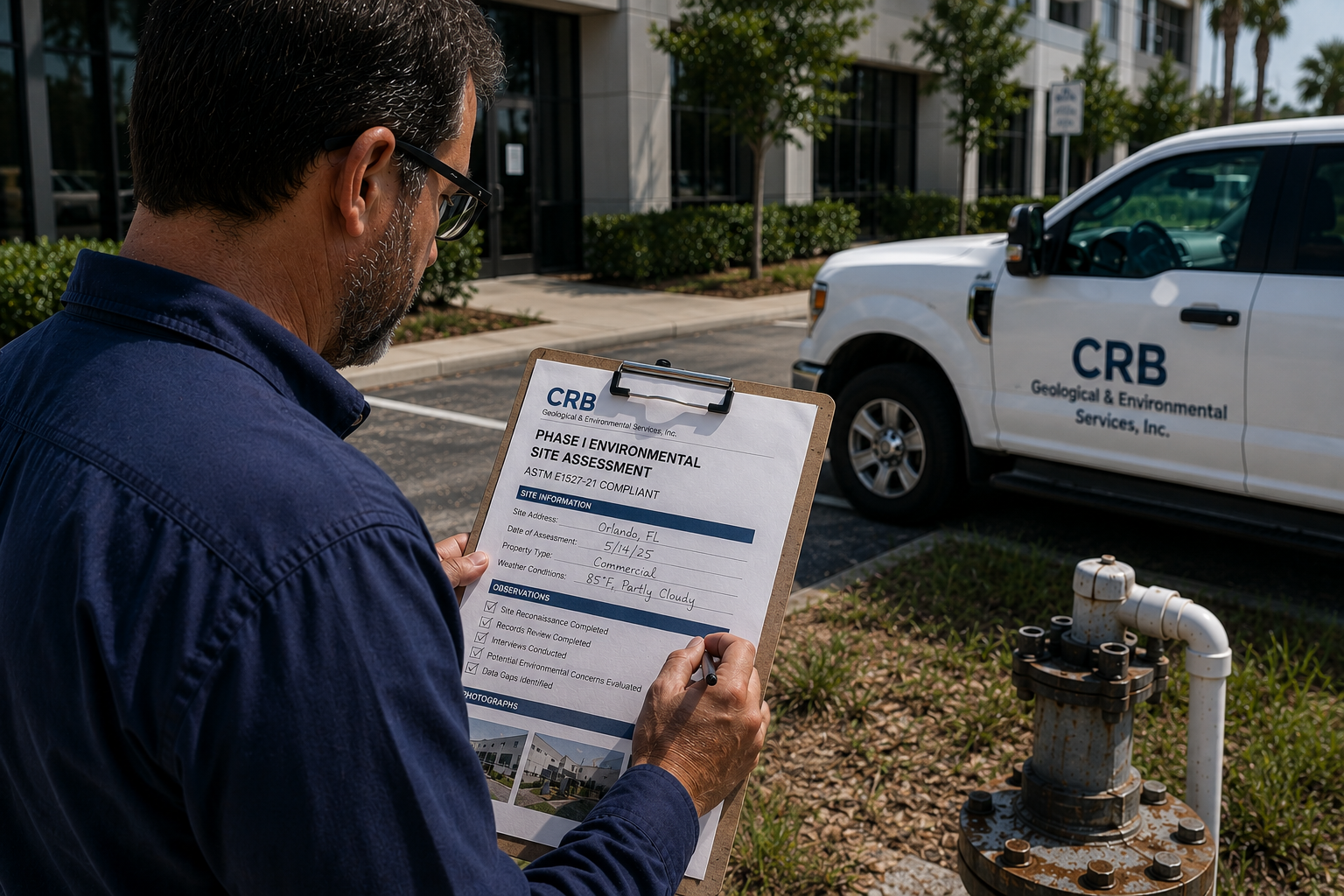
Why Selecting the Right Phase I ESA Consultant Matters
A Phase I Environmental Site Assessment is often one of the first steps in the environmental due diligence process. The findings may influence financing approvals, acquisition decisions, redevelopment planning, environmental liability evaluations, and future site investigations.
An incomplete or poorly executed assessment can result in environmental concerns being overlooked, transaction delays, additional costs, or unnecessary risk. Conversely, a thorough and well-supported assessment can provide stakeholders with a clearer understanding of environmental conditions and help identify potential issues before they become larger problems.
The most effective environmental consultants do more than collect information. They help clients understand environmental risk within the context of the transaction itself.
Understanding the Purpose of a Phase I ESA
A Phase I Environmental Site Assessment is performed in accordance with ASTM E1527-21 and is intended to satisfy the Environmental Protection Agency's All Appropriate Inquiry (AAI) requirements.
The purpose of a Phase I ESA is to identify Recognized Environmental Conditions (RECs) that may indicate the presence or potential presence of hazardous substances or petroleum products associated with a property.
A typical Phase I ESA includes:
Site reconnaissance and property inspection
Historical records review
Regulatory database review
Interviews with knowledgeable parties
Evaluation of adjoining and nearby properties
Identification of environmental concerns
Preparation of a written report
The findings help stakeholders better understand environmental conditions that may affect a property's value, financing, redevelopment potential, or environmental liability.

Key Qualifications to Look for in a Phase I ESA Company
Experience with ASTM E1527-21 Standards
Environmental due diligence requirements evolve over time. Firms performing Phase I ESAs should demonstrate experience with ASTM E1527-21 and maintain familiarity with current industry standards and lender expectations.
Questions worth asking include:
How many Phase I ESAs does the firm complete annually?
How long has the firm been performing environmental due diligence services?
Are assessments consistently performed in accordance with ASTM E1527-21?
Experience with current standards helps support consistency, defensibility, and regulatory compliance.
Commercial Real Estate Expertise
Environmental due diligence for commercial real estate transactions requires a specialized understanding of acquisition timelines, lender requirements, redevelopment considerations, and transaction risk.
Look for firms that regularly support:
Commercial property acquisitions
Real estate financing
Development and redevelopment projects
Investment portfolios
Commercial lenders
Real estate attorneys
Commercial brokerage firms
A consultant familiar with commercial real estate transactions can often provide more practical guidance than a firm whose primary focus is unrelated environmental services.
Report Defensibility and Technical Quality
Not all Phase I ESAs provide the same level of due diligence.
A high-quality assessment should include thorough historical research, careful site evaluation, comprehensive records review, and clearly documented conclusions. The report should explain the basis for environmental findings and provide stakeholders with a clear understanding of potential risks and uncertainties.
The value of a Phase I ESA is not simply that it exists. The value comes from the quality of the investigation and the defensibility of the conclusions.
Multi-Disciplinary Environmental Capabilities
Environmental concerns identified during a Phase I ESA sometimes require additional investigation or follow-up services.
When evaluating environmental consulting firms, consider whether they also provide:
Phase II Environmental Site Assessments
Soil and groundwater investigations
Environmental remediation services
Regulatory compliance support
Environmental risk management consulting
A firm capable of supporting additional project phases can often improve continuity and reduce delays if environmental concerns are identified.
Questions to Ask Before Hiring a Phase I ESA Consultant
How Quickly Can the Assessment Be Completed?
Commercial real estate transactions frequently operate under strict due diligence deadlines.
Ask potential consultants:
What is your typical turnaround time?
Can expedited schedules be accommodated?
How are lender-driven deadlines managed?
Responsiveness can be an important factor when transaction schedules are compressed.
Who Reviews the Final Report?
We've seen situations where environmental concerns were not identified until a lender's environmental reviewer asked additional questions after the report was submitted. Understanding who reviews the report and how findings are evaluated can be just as important as the site inspection itself.
Questions to consider include:
Who conducts the site inspection?
Who performs the records review?
Who signs the final report?
Are senior environmental professionals involved in quality control?
Strong internal review procedures can improve consistency and reduce the likelihood of overlooked concerns.
How Does the Firm Communicate Findings?
Environmental due diligence reports often contain technical terminology that may be unfamiliar to non-environmental professionals.
A qualified consultant should be able to clearly explain:
Environmental findings
Potential risks
Regulatory considerations
Recommended next steps
Clear communication helps buyers, lenders, attorneys, developers, and investors make informed decisions.
Will the Firm Stand Behind Its Findings?
Environmental due diligence findings can directly influence financing, acquisitions, redevelopment plans, and risk management decisions.
Consultants should be willing to discuss their conclusions, answer questions regarding environmental findings, and help stakeholders understand how those findings may affect a transaction.
National Versus Regional Environmental Consulting Firms
Property owners and developers often evaluate both national environmental consulting firms and regional environmental specialists.
National firms may offer:
Broad geographic coverage
Large internal resources
National project management capabilities
Regional firms may offer:
Local regulatory familiarity
Faster communication
Direct access to senior professionals
Greater flexibility
The best choice often depends on the project's scope, location, complexity, and schedule.
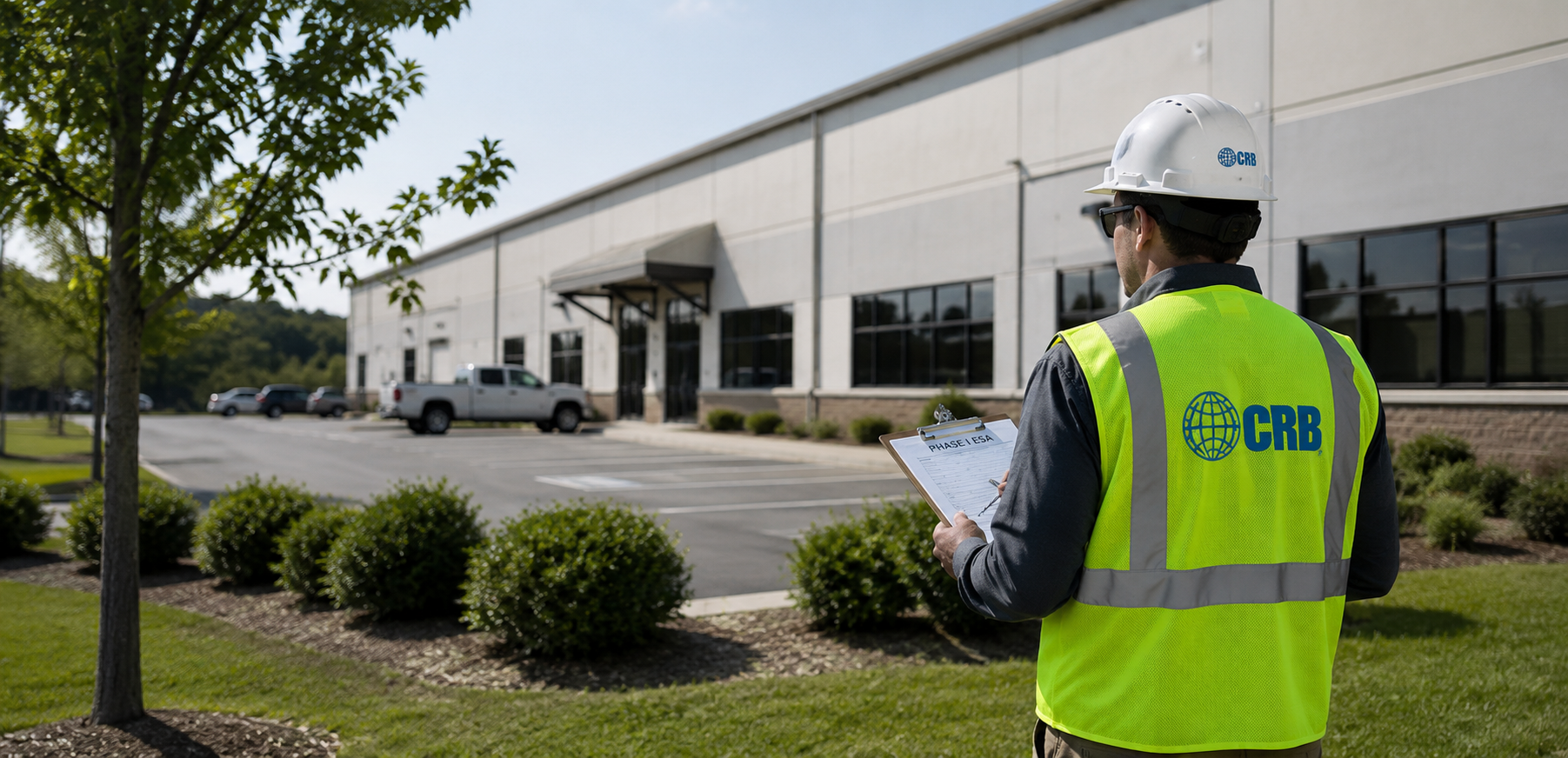
Common Signs of an Experienced Phase I ESA Firm
Experienced environmental consulting firms often share several characteristics.
Look for firms that:
Regularly perform commercial real estate due diligence
Understand ASTM E1527-21 requirements
Support lenders and financial institutions
Conduct both Phase I and Phase II ESAs
Maintain strong quality assurance procedures
Demonstrate knowledge of local regulatory requirements
Communicate findings clearly and efficiently
Understand transaction-driven environmental risk
Environmental due diligence is often time-sensitive and closely tied to business decisions. Experience within the commercial real estate sector can be particularly valuable.
Choosing a Long-Term Environmental Due Diligence Partner
Many organizations require environmental consulting services on an ongoing basis rather than for a single transaction.
Developers, lenders, attorneys, municipalities, investors, and commercial real estate professionals often benefit from working with a consultant capable of supporting multiple stages of the project lifecycle.
Services may include:
Establishing a long-term relationship with an experienced environmental consultant can improve consistency, communication, and project efficiency across multiple transactions.
Choosing a Phase I Environmental Site Assessment company involves more than comparing pricing or turnaround times. The quality of the assessment, the experience of the environmental professionals involved, and the firm's understanding of commercial real estate transactions can all influence the value of the due diligence process.
A well-executed Phase I ESA helps stakeholders better understand environmental conditions, identify potential risks, and make informed decisions before acquisition, financing, redevelopment, or investment activities proceed. Selecting the right environmental consultant can help reduce uncertainty, support transaction objectives, and provide greater confidence throughout the environmental due diligence process.