
What Is ASTM E1527-21?
ASTM E1527-21 is the current industry standard that establishes how Phase I Environmental Site Assessments (Phase I ESAs) are performed for commercial real estate transactions in the United States. Published by ASTM International and recognized by the U.S. Environmental Protection Agency (EPA), the standard provides a consistent framework for evaluating potential environmental concerns associated with a property.
For commercial real estate buyers, lenders, developers, and attorneys, understanding ASTM E1527-21 is important because compliance with the standard helps satisfy the requirements of All Appropriate Inquiries (AAI), which may support certain liability protections under CERCLA (the Comprehensive Environmental Response, Compensation, and Liability Act).
Why Was ASTM E1527-21 Created?
Environmental conditions discovered after a property acquisition can create significant financial and legal consequences. ASTM E1527-21 provides a standardized approach for investigating a property's history and current conditions to identify potential environmental concerns before a transaction closes.
The standard helps ensure that Phase I ESAs are performed consistently and that all parties involved in a transaction have a common framework for understanding environmental risk.
What Does ASTM E1527-21 Require?
A Phase I Environmental Site Assessment performed in accordance with ASTM E1527-21 generally includes:
A site reconnaissance (property inspection)
Historical records research
Review of environmental databases
Evaluation of adjoining properties
Regulatory records review
Interviews with owners, occupants, or local officials when appropriate
Assessment of current and historical property use
Preparation of a written report with findings and conclusions
The purpose is to identify Recognized Environmental Conditions (RECs), Historical Recognized Environmental Conditions (HRECs), and Controlled Recognized Environmental Conditions (CRECs).Does a REC Automatically Require a Phase II ESA?
What Changed From ASTM E1527-13?
ASTM E1527-21 replaced ASTM E1527-13 and introduced several important clarifications.
Stronger Definitions of RECs, HRECs, and CRECs
The updated standard provides additional guidance regarding the classification of environmental conditions and improves consistency in reporting.
Enhanced Historical Research Requirements
ASTM E1527-21 places greater emphasis on reviewing historical sources and documenting data gaps when information is unavailable.
Clarification of Emerging Contaminants
The standard acknowledges substances such as PFAS (per- and polyfluoroalkyl substances) as emerging contaminants. Although PFAS are generally outside the scope of a standard Phase I ESA unless regulated under applicable law, the standard explains how these issues may be addressed as non-scope considerations.
More Detailed Data Gap Analysis
Environmental professionals are expected to explain significant gaps in available information and evaluate whether those gaps affect their ability to identify environmental concerns.
What Is a Recognized Environmental Condition (REC)?
A Recognized Environmental Condition (REC) is the presence or likely presence of hazardous substances or petroleum products on a property due to:
A release to the environment,
A likely release, or
A material threat of a future release.
Examples may include:
Former gas stations
Dry cleaning operations
Underground storage tanks
Historical industrial use
Documented spills or releases
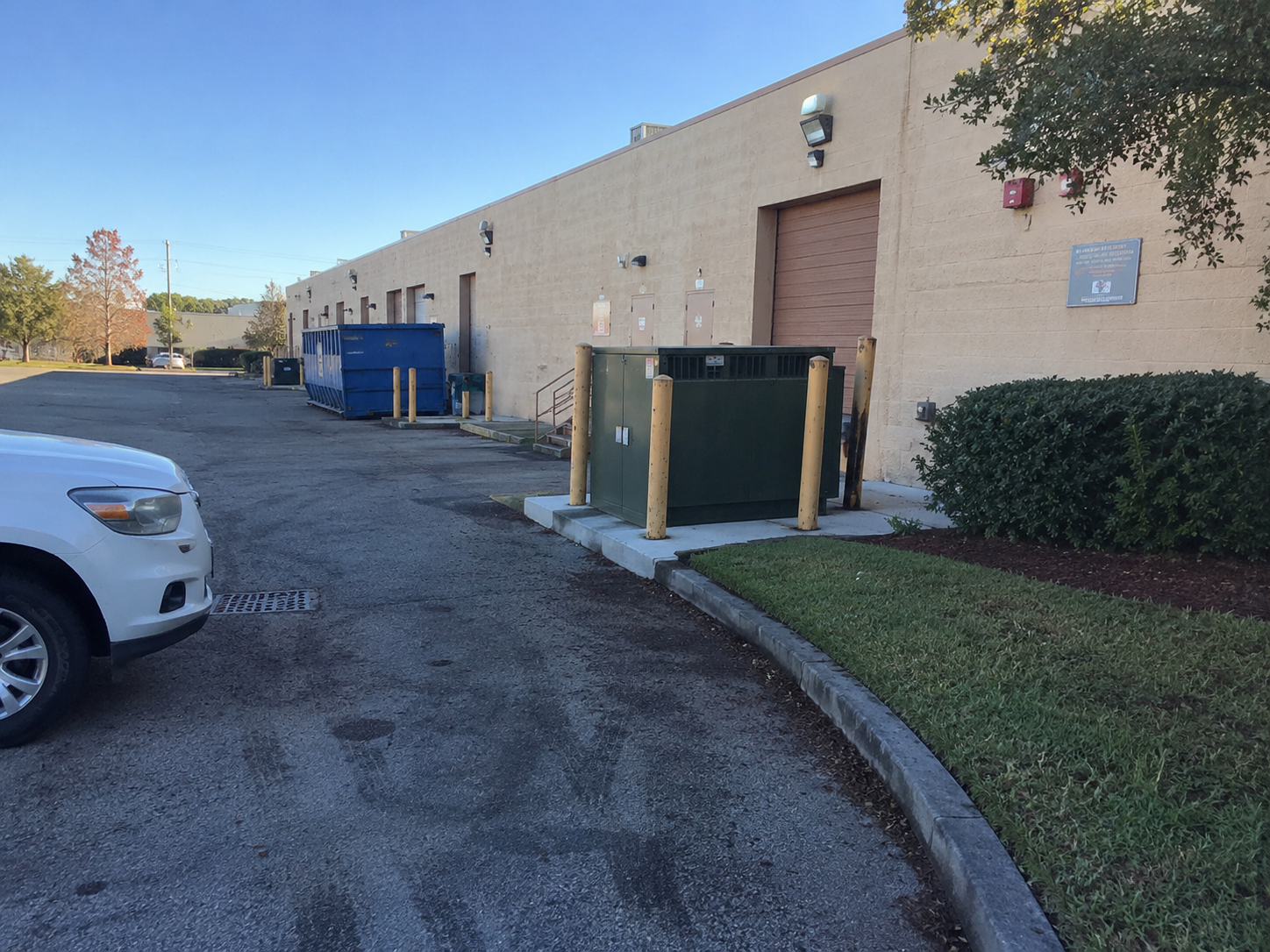
The identification of a REC does not necessarily mean contamination exists, but it may indicate that additional investigation, such as a Phase II Environmental Site Assessment, should be considered.
Is ASTM E1527-21 Required?
Many lenders, investors, attorneys, and buyers require Phase I ESAs that comply with ASTM E1527-21. Although not every transaction legally requires a Phase I ESA, the standard has become the benchmark for commercial real estate environmental due diligence.
Most transactions involving:
Commercial office buildings
Retail centers
Industrial properties
Multifamily developments
Vacant land intended for redevelopment
benefit from an ASTM-compliant Phase I Environmental Site Assessment.
Who Performs ASTM E1527-21 Assessments?
ASTM E1527-21 requires that the assessment be completed by an Environmental Professional (EP) meeting specific qualifications defined by federal regulations.
Experienced environmental consultants evaluate historical records, conduct site inspections, review regulatory information, and prepare reports that help clients understand potential environmental liabilities before closing.
Why ASTM Compliance Matters
Not all Phase I Environmental Site Assessments are equal.
Two reports may both be called a "Phase I ESA," but the quality of the investigation behind them can vary significantly. A thorough ASTM E1527-21 assessment provides buyers, lenders, and developers with a clearer understanding of environmental conditions and helps support informed decisions during acquisitions and redevelopment.
Identifying environmental concerns early often helps prevent delays, unexpected costs, and complications later in the transaction process.
Need an ASTM E1527-21 Phase I Environmental Site Assessment?
CRB Geological & Environmental Services performs ASTM E1527-21 compliant Phase I Environmental Site Assessments for commercial real estate transactions nationwide. Our team helps lenders, developers, attorneys, and property owners evaluate environmental conditions and make informed decisions with confidence.