
Understanding Environmental Due Diligence Processes
Environmental Due Diligence (EDD) is a vital process in today's business landscape. It helps identify environmental risks tied to property transactions. Understanding EDD is crucial for risk management and regulatory compliance. It ensures that businesses adhere to environmental laws and standards. EDD involves assessing potential environmental liabilities before acquiring or developing a property. This proactive approach can prevent costly cleanups and legal issues.
The process typically begins with a Phase I Environmental Site Assessment. This step involves reviewing historical and current property uses. If potential issues are found, a Phase II ESA is conducted. This involves sampling and laboratory analysis to confirm contamination. EDD is essential for anyone involved in property transactions or environmental assessments. It provides peace of mind by managing environmental risks effectively.
What is Environmental Due Diligence?
Environmental Due Diligence is a comprehensive process used to evaluate environmental conditions and liabilities associated with real estate transactions. It identifies potential risks that could affect property use or value.
The primary goal of EDD is to assess environmental hazards such as contamination or pollution. This process ensures that buyers and sellers are well-informed about any environmental concerns.
EDD typically involves several critical steps. Key activities include reviewing public records, conducting site visits, and interviewing past and current property owners. These actions provide insights into the property's environmental history and current state.
Some common elements of Environmental Due Diligence include:
Environmental Site Assessments
Reviewing historical property records
Analyzing potential contamination
Evaluating regulatory compliance
Conducting EDD is essential for businesses to make informed real estate decisions. By understanding environmental conditions, companies can mitigate potential liabilities and avoid unexpected costs.
Why Environmental Due Diligence Matters: Risk Management and Regulatory Compliance
Environmental Due Diligence is crucial for effective risk management in property transactions. It helps identify potential environmental liabilities early, preventing future financial burdens.
Regulatory compliance is another key reason for conducting EDD. By ensuring adherence to environmental laws and regulations, organizations reduce the risk of legal issues. Compliance not only safeguards against penalties but also enhances a company's reputation.
Failing to perform thorough EDD can lead to unforeseen environmental problems. Remediation of such issues can be costly and time-consuming. Hence, it is prudent to incorporate EDD in every transaction involving land or property.
Some benefits of Environmental Due Diligence include:
Mitigating environmental risks
Achieving regulatory compliance
Identifying potential contamination
Informing decision-making processes
In conclusion, Environmental Due Diligence offers peace of mind. It ensures that all environmental risks and compliance requirements are addressed comprehensively.

Key Phases of Environmental Due Diligence
Environmental Due Diligence typically involves several key phases, each with a distinct focus. These phases help ensure comprehensive assessment and management of environmental risks.
The first step is to conduct a Phase I Environmental Site Assessment (ESA). This assessment offers an overview of the property's environmental condition. If issues are identified, a Phase II ESA follows, involving more detailed evaluations. Finally, if contamination is confirmed, Phase III focuses on remediation efforts to mitigate environmental damage and ensure regulatory compliance.
Phase I Environmental Site Assessment (ESA)
Phase I ESA is the initial step in assessing environmental risks associated with a property. This phase includes a review of historical property records, current site conditions, and potential contamination sources.
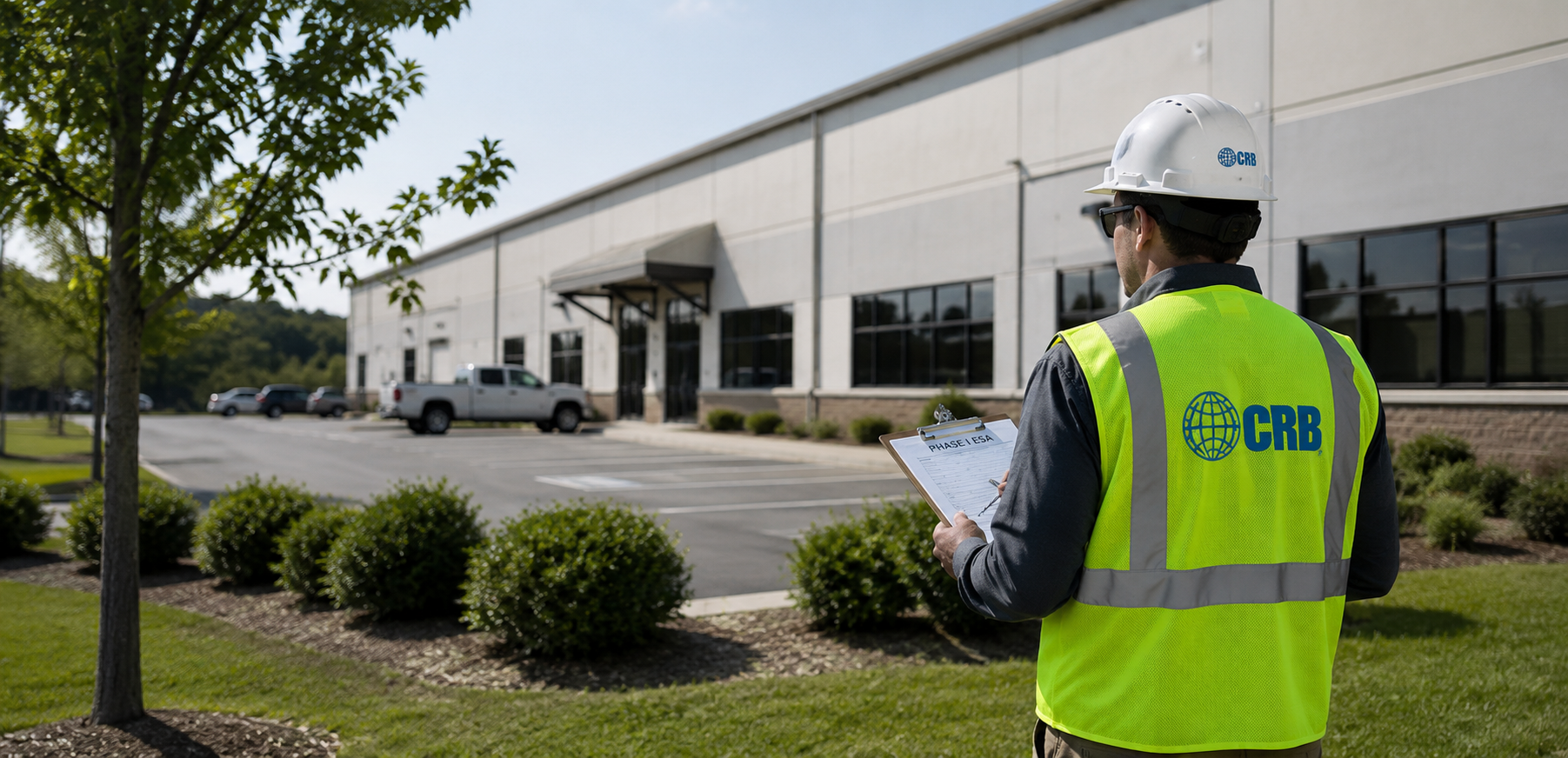
Typically, a Phase I ESA involves a site visit to observe current operations and environmental conditions. Consultants review records such as aerial photos, land use documents, and previous environmental reports. Interviews with property owners and local officials may also be conducted.
Key objectives of a Phase I ESA include:
Identifying possible environmental contamination
Assessing historical and current land use
Evaluating the need for further investigations
This phase is a non-intrusive assessment. It does not involve physical sampling or chemical testing. The findings from Phase I help determine whether a Phase II ESA is needed.
Phase II Environmental Site Assessment (ESA)
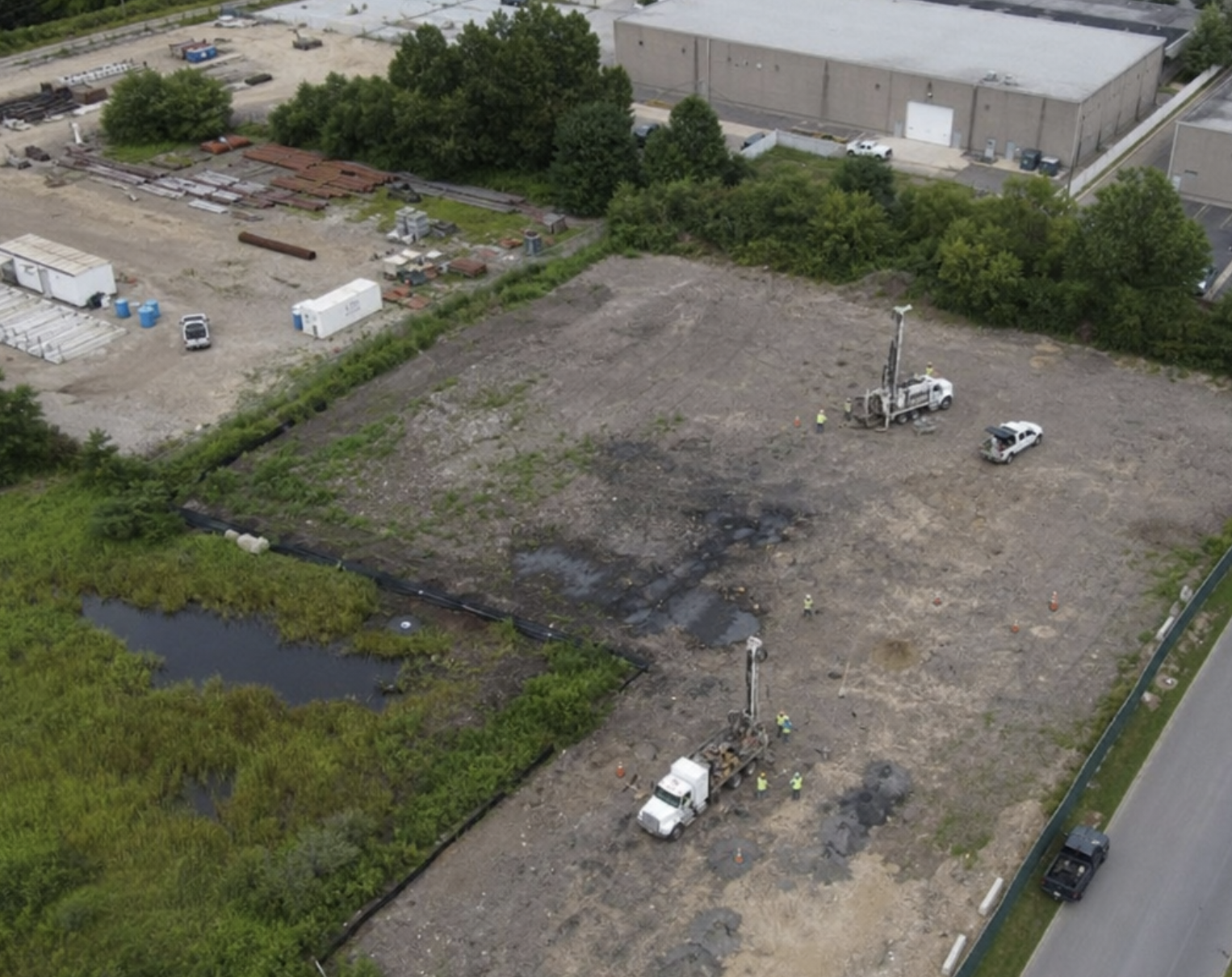
Phase II ESA is conducted when potential contamination is identified during Phase I. This phase involves detailed investigations, including physical sampling and laboratory analysis.
The focus is on collecting soil, groundwater, and air samples. These samples help determine the presence and extent of contaminants. Laboratory analysis provides critical data to evaluate environmental conditions.
Key activities in Phase II ESA include:
Designing a sampling strategy
Collecting environmental media samples
Analyzing samples in accredited labs
This phase is more intrusive than Phase I and requires specialized equipment. The results help in understanding the scale and severity of contamination. If significant issues are found, Phase III, focusing on remediation, may be required.
Phase III and Remediation
Phase III begins if Phase II confirms contamination. The focus shifts to remedial actions to address environmental damage.
Remediation involves developing and implementing strategies to clean up or contain contaminants. Techniques vary based on the type and extent of contamination and regulatory requirements.
The goal of remediation is to restore the property to a condition safe for its intended use. This phase may involve long-term monitoring to ensure the effectiveness of remedial actions. Successful remediation leads to compliance with environmental laws and reduces liability risks.
Types of Environmental Risks and Liabilities
Environmental risks and liabilities can greatly affect property value and investment decisions. Understanding these risks is crucial for effective risk management.
Common environmental risks include soil contamination from historical industrial use and hazardous waste spills. These can lead to significant cleanup costs and legal liabilities.
Water pollution is another major concern. Contaminated groundwater can affect drinking water sources, requiring costly remediation efforts. Air quality issues, such as the presence of pollutants, are also critical, especially near industrial zones.
Understanding potential liabilities is key. Potential liabilities include:
Clean-up costs for contamination
Fines for non-compliance with environmental regulations
Third-party claims for damages
Accurate identification of these risks and liabilities helps in mitigating potential financial impacts. Proactively addressing these concerns through Environmental Due Diligence can prevent future conflicts and ensure regulatory compliance. Through this careful consideration, stakeholders protect not only their financial investments but also the environment.
Regulatory Framework and Compliance Requirements
Navigating the regulatory landscape is essential for achieving compliance in Environmental Due Diligence. Various laws govern environmental protection, each with its own requirements.
Key regulations include the Comprehensive Environmental Response, Compensation, and Liability Act (CERCLA), which outlines procedures for handling hazardous sites. The Clean Water Act and Clean Air Act regulate water and air pollution, respectively. Compliance with these laws prevents hefty fines and legal disputes.
Compliance involves adhering to both federal and state-specific environmental regulations. This ensures that environmental assessments meet all legal standards. A key aspect of compliance is maintaining thorough documentation, which can be crucial during audits.
CERCLA
Clean Water Act
Clean Air Act
Understanding these compliance requirements safeguards against legal liabilities. It ensures the implementation of best practices in environmental management.
The Role of Environmental Consultants and Stakeholders
Environmental consultants are key in guiding the Environmental Due Diligence process. They bring expertise in identifying environmental risks and assessing compliance needs. Their thorough evaluations provide a clear picture of a site's environmental status.
Stakeholders, including business owners and legal professionals, play vital roles. Their involvement ensures that diverse interests and concerns are considered. Effective communication between stakeholders and consultants promotes thorough due diligence.
Collaboration among all parties enhances environmental stewardship. It leads to informed decision-making and efficient problem-solving. Working together ensures that environmental risks are managed effectively and efficiently.
Expertise in risk assessment
Stakeholder collaboration
Informed decision-making
Environmental Due Diligence in Property Transactions and Development
Environmental Due Diligence (EDD) plays a crucial role in property transactions. It ensures that environmental risks are identified before they become liabilities. This process protects both buyers and sellers by revealing potential issues.
In real estate development, EDD helps maintain regulatory compliance. Developers can address environmental concerns early in the planning stages. This proactive approach minimizes delays and unexpected costs.
Successful property transactions and developments depend on thorough EDD. Ensuring environmental due diligence fosters transparency and builds trust. It ultimately supports sustainable and profitable investments.
Identify environmental risks
Maintain regulatory compliance
Support sustainable investments
Best Practices for Effective Environmental Due Diligence
Conducting effective Environmental Due Diligence requires careful planning. Start by understanding the unique environmental aspects of each property. Tailor the EDD process to fit specific project needs and stakeholder concerns.
Communication is vital throughout the process. Maintain open channels between all involved parties, including consultants, buyers, and sellers. This fosters transparency and eases decision-making.
Utilize a structured approach by following best practices. These practices help ensure thoroughness and reliability:
Conduct detailed site assessments
Review historical property records
Engage qualified environmental consultants
Address identified risks promptly
Document findings comprehensively
Applying these strategies enhances the efficacy of Environmental Due Diligence. This proactive approach protects investments and supports regulatory compliance.
Conclusion: The Value of Proactive Environmental Due Diligence
Proactive Environmental Due Diligence is invaluable in managing potential risks. It prevents costly mistakes and identifies issues before they escalate. By tackling potential problems early, businesses can avoid expensive clean-ups and legal disputes.
EDD is integral to responsible risk management. It not only mitigates liabilities but also ensures compliance with environmental laws. This compliance fosters trust and enhances reputations for companies involved in property and real estate sectors.
Furthermore, Environmental Due Diligence supports sustainable development goals. It helps organizations be stewards of the environment while achieving business objectives. Through these practices, companies contribute positively to environmental sustainability and resilience.
Ultimately, proactive EDD is a strategic investment. It offers peace of mind and paves the way for informed decision-making. This careful approach benefits stakeholders and the environment alike.