

Phase I Environmental Site Assessment Services
ASTM E1527-21 compliant Phase I ESAs for commercial real estate acquisitions, refinancing, redevelopment, and lender environmental due diligence nationwide.
National Phase I ESA Services for Commercial Real Estate Due Diligence
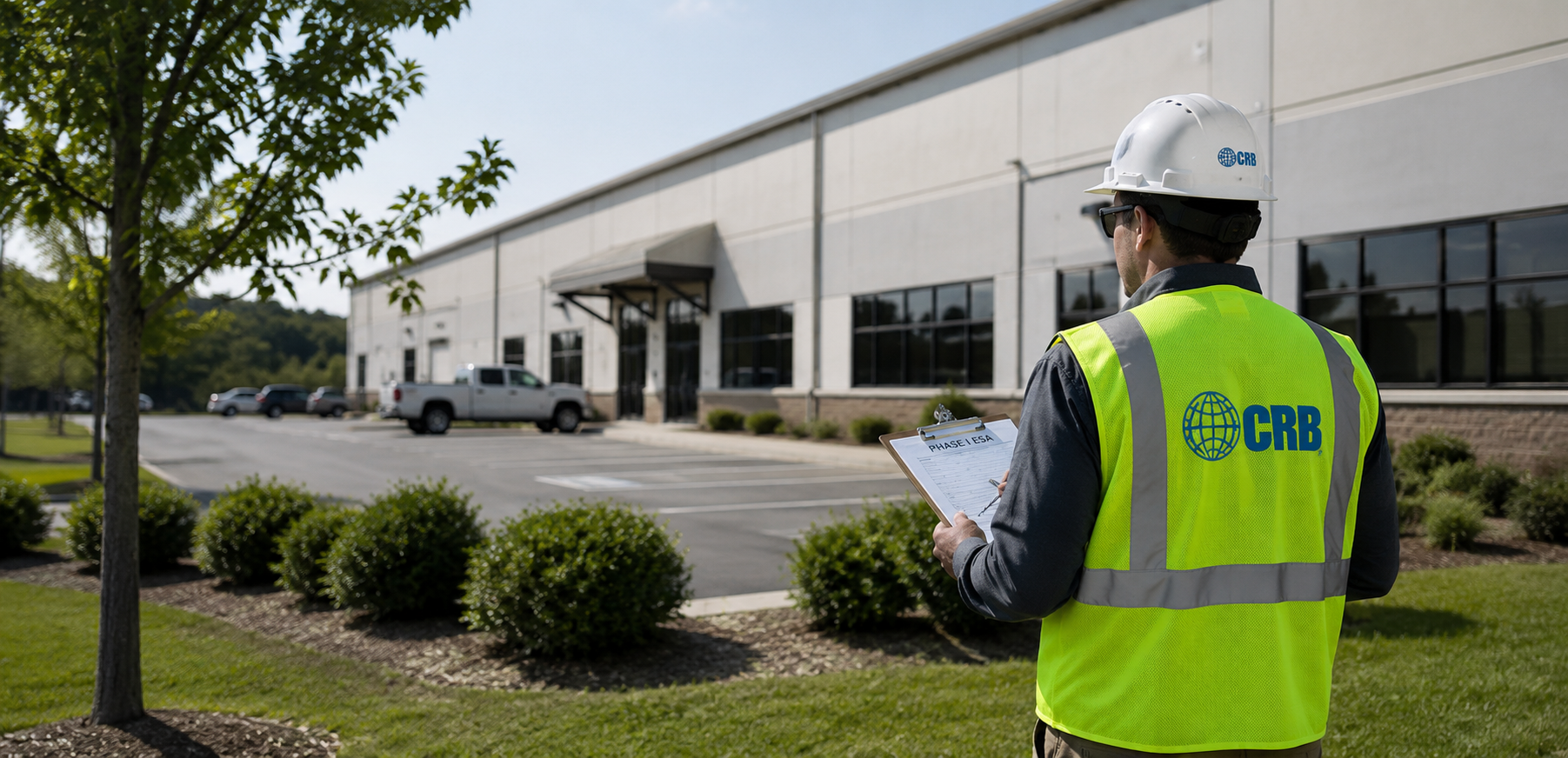
A Phase I Environmental Site Assessment, or Phase I ESA, is often the first step in environmental due diligence for commercial real estate transactions, property acquisitions, refinancing, redevelopment projects, and lender environmental reviews.
CRB Geological & Environmental Services provides ASTM E1527-21 compliant Phase I Environmental Site Assessments nationwide for lenders, developers, attorneys, investors, commercial property owners, brokers, and municipalities. Our environmental consultants help clients identify potential environmental risks, recognized environmental conditions, historical property concerns, and regulatory issues before they affect closing, financing, redevelopment, or long-term property value.
A Phase I ESA should not be treated as a commodity report. When performed correctly, it helps transaction teams understand environmental risk early enough to make informed decisions.
Why Clients Choose CRB for Phase I Environmental Site Assessments


CRB has supported environmental due diligence, field investigation, remediation strategy, and regulatory consulting since 1992. Our Phase I ESA work is designed for clients who need more than a checklist report.
CRB supports Phase I ESA projects with:
ASTM E1527-21 compliant environmental due diligence
Senior-led technical oversight
Commercial real estate, lender, developer, and attorney experience
Clear identification of recognized environmental conditions
Defensible reporting for transaction and lender review
Phase II ESA, remediation, and regulatory support when additional evaluation is needed
Nationwide project support with office locations in Florida, South Carolina, and Idaho
Who Uses Phase I ESA Reports?
Phase I Environmental Site Assessments are commonly used by organizations involved in commercial real estate transactions, lending, redevelopment, and property risk management. A Phase I ESA is often requested during acquisitions, refinancing, loan underwriting, property transfers, redevelopment planning, and lender environmental due diligence.
Commercial Real Estate Buyers
Property Developers
Investors
Lenders & Financial Institutions
Real Estate Attorneys
Property Owners
Environmental Conditions Evaluated During a Phase I ESA
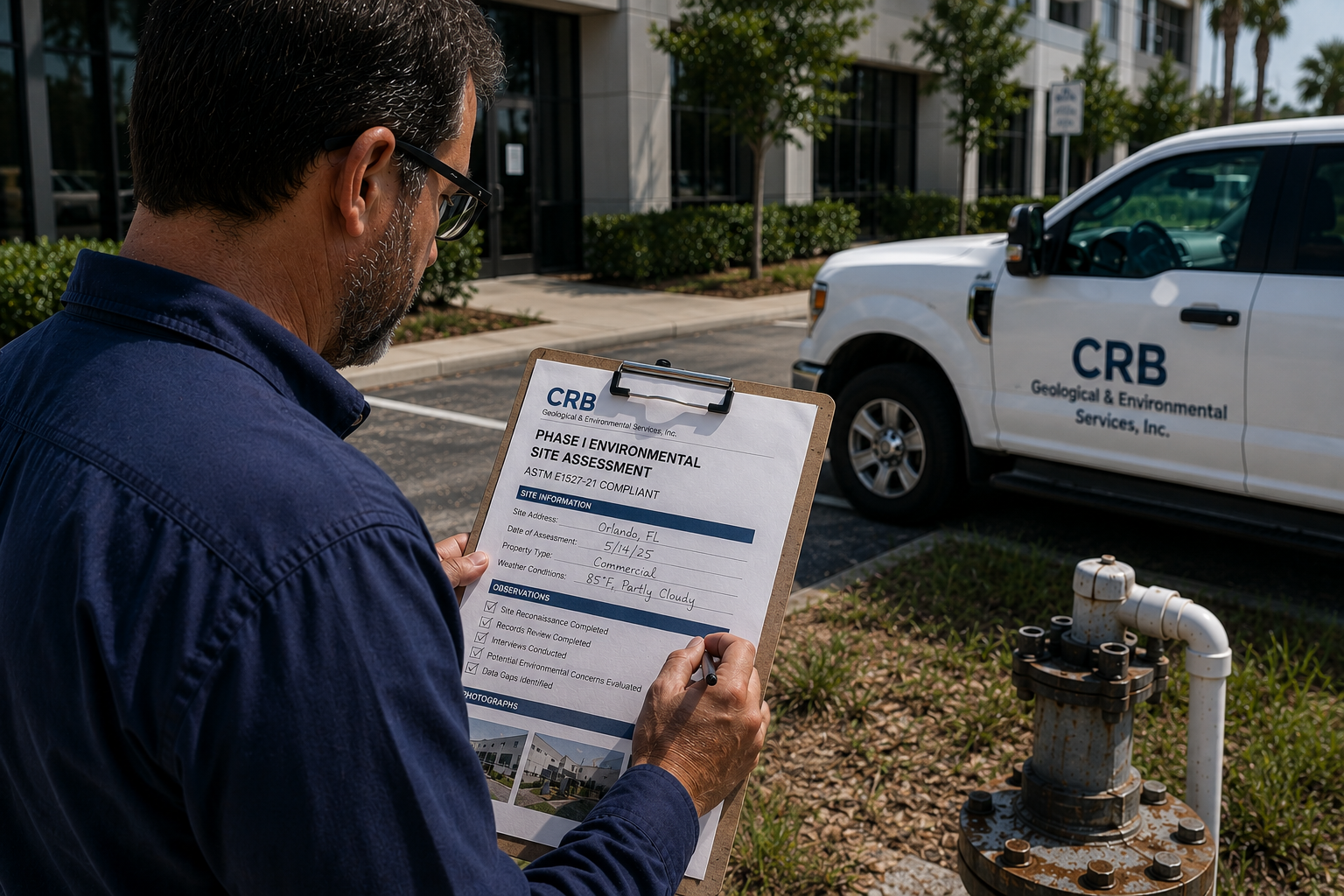
CRB evaluates historical, regulatory, and site-specific conditions that may indicate environmental risk.
Common Phase I ESA risk indicators include:
Historical gas stations
Dry cleaning operations
Automotive repair operations
Industrial or manufacturing operations
Agricultural land use
Underground storage tanks (USTs)
Petroleum releases
Hazardous material storage
Landfills and disposal areas
Adjacent property concerns
Every property is different. CRB’s role is to evaluate the available information and explain what matters to the transaction, lender review, or redevelopment plan.
CRB’s Phase I ESA Process
CRB’s Phase I ESA process is designed to deliver more than a checklist report. Our environmental consultants combine ASTM E1527-21 due diligence, field observation, historical research, regulatory review, and senior-level technical judgment to help commercial real estate teams understand environmental risk before closing, financing, or redevelopment.
-
CRB reviews the property type, location, transaction timeline, lender requirements, user needs, redevelopment plans, and available background information to define the appropriate Phase I ESA scope.
-
Our team evaluates historical sources, environmental databases, prior reports, regulatory files, property records, aerial photographs, city directories, Sanborn maps when available, and surrounding property uses to identify potential environmental concerns.
-
CRB conducts a site visit to evaluate current property conditions, visible risk indicators, adjoining properties, evidence of hazardous substances or petroleum use, storage areas, staining, odors, drains, tanks, distressed vegetation, and other potential environmental concerns.
-
Where appropriate, CRB conducts interviews and reviews ownership, operational, tenant, and historical property information to better understand past uses and potential environmental risk conditions.
-
CRB environmental professionals evaluate findings to determine whether Recognized Environmental Conditions, Controlled Recognized Environmental Conditions, Historical Recognized Environmental Conditions, de minimis conditions, or significant data gaps are present.
-
CRB prepares a clear, defensible Phase I ESA report designed to support commercial real estate acquisitions, lender review, legal evaluation, redevelopment planning, and environmental risk management. When additional investigation may be warranted, CRB explains the findings and next steps in practical terms.
“If you are acquiring, financing, refinancing, or redeveloping commercial property, a Phase I Environmental Site Assessment is often the first step in environmental due diligence.”
What Happens After a Phase I ESA Identifies Environmental Risk?
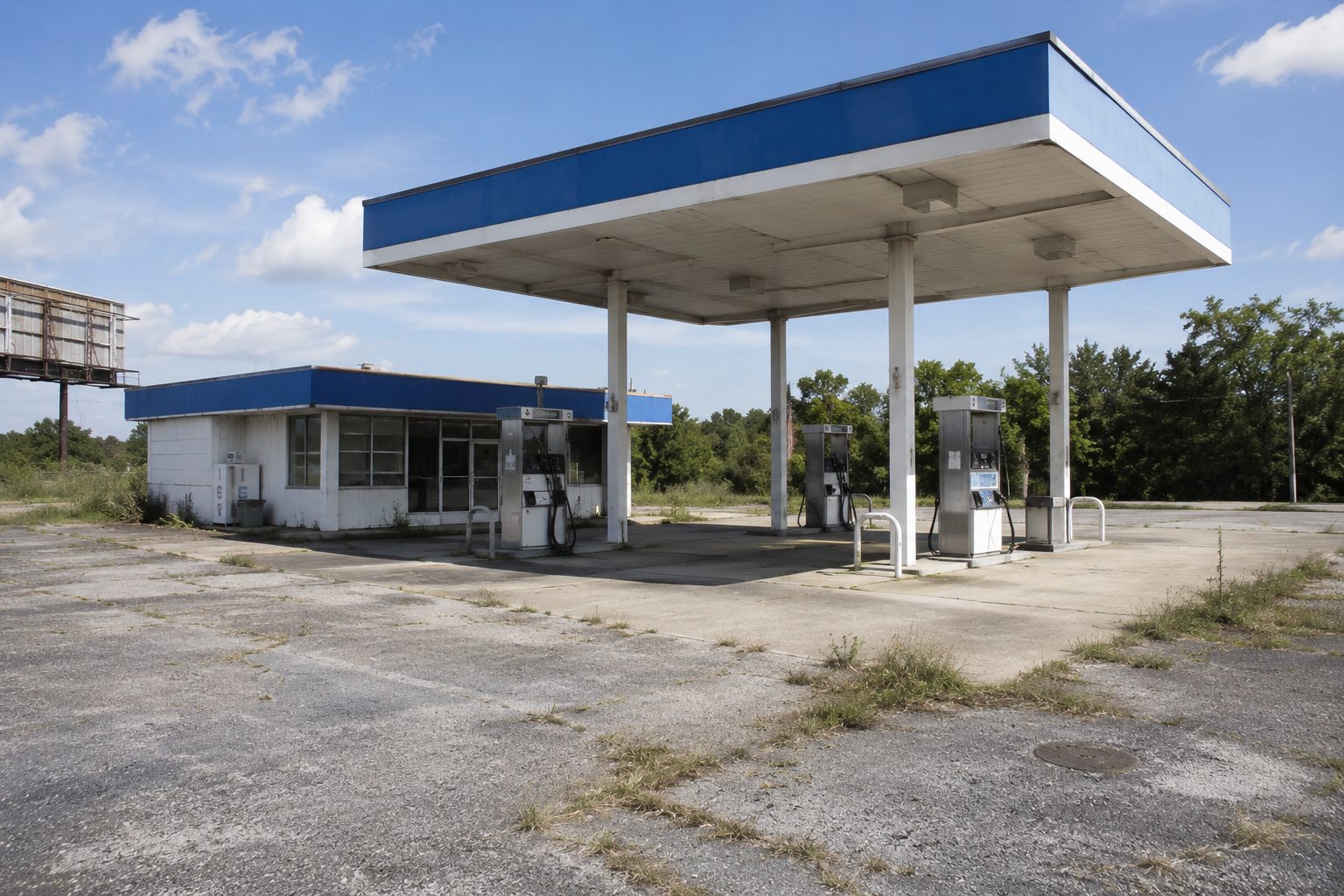
A Phase I ESA does not include soil sampling, groundwater testing, vapor testing, or laboratory analysis. When a Phase I ESA identifies recognized environmental conditions, significant data gaps, or unresolved environmental uncertainty, additional investigation may be recommended.
In some cases, a Phase II Environmental Site Assessment is used to evaluate whether contamination is present. Phase II ESA work may include targeted soil sampling, groundwater evaluation, vapor assessment, or other environmental testing based on the concerns identified during the Phase I ESA.
Learn more about Phase II Environmental Site Assessments
CRB provides Phase I Environmental Site Assessments for commercial real estate transactions, lending, redevelopment, and environmental due diligence projects across the United States.
Our national Phase I ESA services support clients with single-site transactions, multi-property portfolios, lender-driven due diligence, redevelopment planning, and transaction-related environmental risk evaluation.
CRB maintains office locations in Florida, South Carolina, and Idaho, and supports clients nationwide through environmental professionals, field investigation capabilities, and defensible technical reporting.
Nationwide Phase I ESA Services
Phase I ESA Service Areas
CRB provides Phase I Environmental Site Assessment services nationwide, with regional support through office locations in Florida, South Carolina, and Idaho. CRB is developing dedicated Phase I ESA resources for key regional markets where clients may need location-specific environmental due diligence guidance.
Frequently Asked Questions About Phase I Environmental Site Assessments
-
A Phase I Environmental Site Assessment is an environmental due diligence investigation used to evaluate potential environmental liabilities associated with a commercial property. It typically includes records review, historical research, site reconnaissance, interviews, and a written report.
-
A Phase I Environmental Site Assessment is generally considered current for approximately six months from the date of completion. After this period, certain components of the assessment may need to be updated to maintain compliance with federal All Appropriate Inquiries (AAI) requirements. If more than one year has passed since the report was completed, a new Phase I ESA is needed to ensure environmental conditions, regulatory records, and property information remain accurate and up to date.
-
Most Phase I ESAs are completed within 2 to 4 weeks, depending on property complexity, records availability, site access, lender requirements, and report scope. Transaction deadlines should be discussed early so CRB can determine whether expedited support is appropriate.
-
Phase I ESA costs vary based on property type, site size, location, historical use, lender requirements, records availability, and project schedule. Standard commercial properties may fall within a typical range, while complex industrial, redevelopment, agricultural, or multi-parcel sites may require additional scope. CRB provides site-specific proposals based on the property and transaction requirements.
-
If potential contamination is identified, a Phase II ESA may be recommended to confirm conditions through sampling and analysis.
-
Not all transactions require a Phase I ESA, but most lenders strongly recommend or require it for commercial real estate financing.
-
Phase I ESA reports are commonly ordered by commercial real estate buyers, lenders, developers, attorneys, investors, property owners, brokers, and municipalities.
-
Recognized Environmental Conditions (RECs) are the primary findings of a Phase I Environmental Site Assessment. They indicate the presence or likely presence of hazardous substances or petroleum products on a property due to past or current use.
RECs matter because they directly impact:
Environmental liability for buyers and property owners
Lender risk and financing decisions
Whether additional investigation, such as a Phase II ESA, is required
Identifying RECs early allows stakeholders to make informed decisions, negotiate terms, or address potential issues before they affect the transaction.
Request a Phase I ESA Proposal
If you are acquiring, refinancing, financing, or redeveloping commercial property, CRB can help evaluate environmental risk before it becomes a transaction or project problem.
To prepare a Phase I ESA proposal, CRB typically needs the property address, property type, site size or parcel information, transaction deadline, lender requirements, prior environmental reports if available, and any known concerns or redevelopment plans.